The fight against dementia is one that science – and humanity – is losing. More than 55 million people live with the condition today. That number is expected to double every 20 years in our ageing population.
By 2050, there will be almost 140 million people with dementia, and their care is projected to cost as much as 1 per cent of the global GDP.
Existing therapies offer only modest effects on the symptoms and do little to prevent or stop its progression. In April 2026, two ‘breakthrough’ treatments were found to have little beneficial impact after all.
New drugs can improve memory or slow the rate of cognitive decline in some patients, but in most cases, by the time symptoms appear, extensive and irreversible brain damage means there is no hope of a cure.
Except now, there might be. Thirteen years ago, the Welsh government unintentionally created an experiment that might just change the future of dementia care, unmasking a game-changing treatment that was there all along.
The strange thing is, what they did wasn’t intended to have anything to do with dementia – but there is growing optimism that it could turn the tide when we need it the most.
Jabbed into action
Welsh officials introduced a new national programme on 1 September 2013, offering a shingles vaccine to people aged 70. It wasn’t a blanket rollout, it was age-targeted.
Shingles vaccines were offered in phases and the timing was largely arbitrary. If you turned 70 on or just after 1 September, you’d be offered the vaccine. If you turned 70 just before the cutoff, you were ineligible.
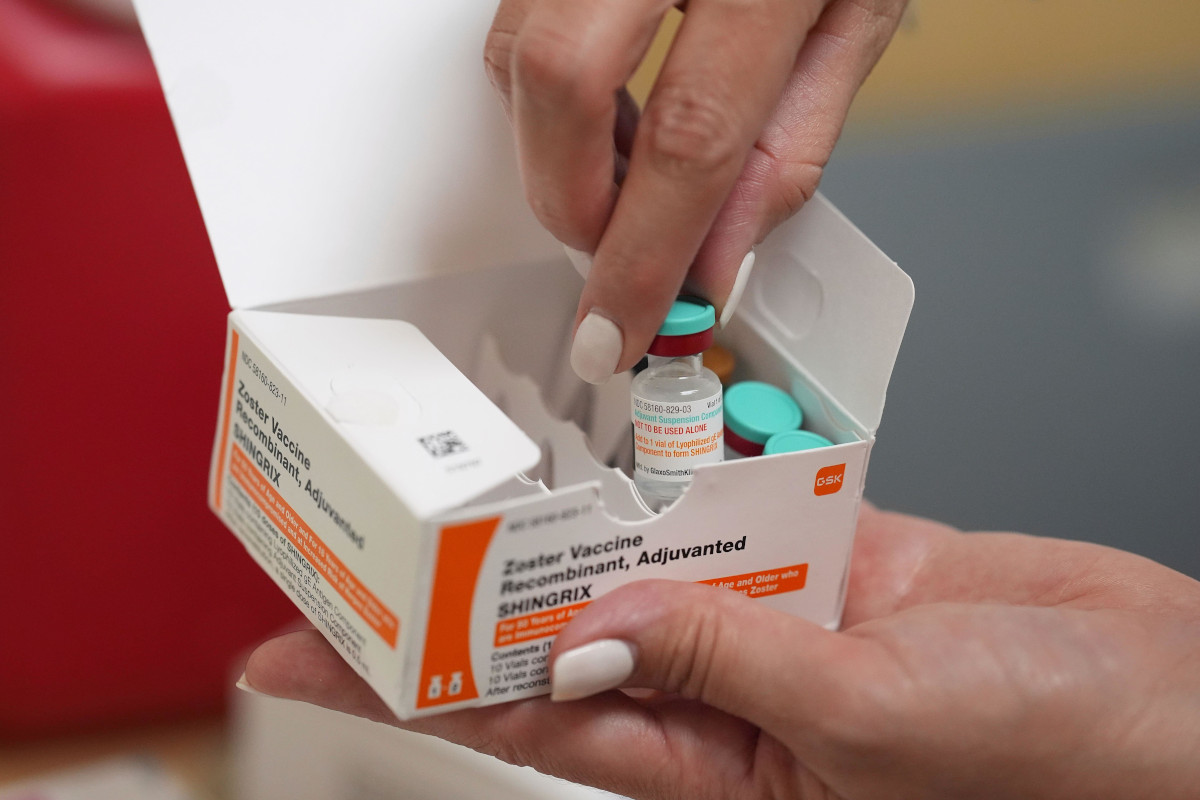
That seemingly insignificant detail turned out to be the most vital part of the trial – it created what’s known as a ‘natural experiment’. People on either side of the cutoff were effectively randomised, like participants in a clinical trial.
That’s gold for health researchers. It allows you to make unbiased health comparisons between two groups over time, knowing the only real difference is that one was offered the shingles vaccine, and the other wasn’t.
“If I take a thousand people born one week, and a thousand people born a week later, why should there be any difference on average in those people’s diets or physical activity levels?” says Prof Pascal Geldsetzer, an epidemiologist at Stanford University in the US.
“It’s just like tossing a coin.”
Here’s where the payoff for dementia comes in. In 2025, Geldsetzer and other researchers sifted through the data of the Welsh septuagenarians and found something astonishing.
The people offered a vaccine were 20 per cent less likely to develop dementia.
In dementia research, 20 per cent is a big number – much higher than a lot of lifestyle factors believed to affect an individual’s risk. A follow-up study even found that the vaccine could slow the progression of the disease in people who already had it.
In other words, researchers made the near-chance discovery that this most cruel of diseases could be treated – and even prevented – by a jab in the arm. In public health terms, that’s potentially seismic.
“If we’re able to delay the onset of Alzheimer’s just by a few months, at the population level, this has huge consequences and huge savings for society,” says Geldsetzer.
“What gets me most excited about vaccines is that this is essentially a one-off, inexpensive, safe, readily available, readily scalable, worldwide intervention.”
A viral idea
The race is now on to find a vaccine for Alzheimer’s and other forms of dementia.
Equipped with a growing understanding of how neurodegenerative diseases truly progress, researchers around the world are designing a new generation of immunotherapies designed to stop our neurons from succumbing to the pestilence of these brain disorders.
The idea is simple: instead of treating Alzheimer’s disease after symptoms of brain damage appear, we can train the immune system to prevent that damage by fighting a lineup of potential causes, from toxic proteins accumulating in the brain to neuroinflammation, possibly driven by everyday viruses.
Some of the vaccines being developed are designed specifically to remove (or prevent) harmful proteins building up in the brain.
Other research, like Geldsetzer’s, is looking again at existing vaccines like the shingles jab to understand if – and how – they lower the chances of developing neurodegenerative disease.
But the idea of a vaccine for dementia isn’t new. In the 1990s, British researchers discovered the DNA of a herpes virus in the brain cells of elderly people – specifically the common HSV-1 virus, which causes cold sores.
Later, they found that the virus was much more likely to appear in the brains of Alzheimer’s patients than people without the disease.
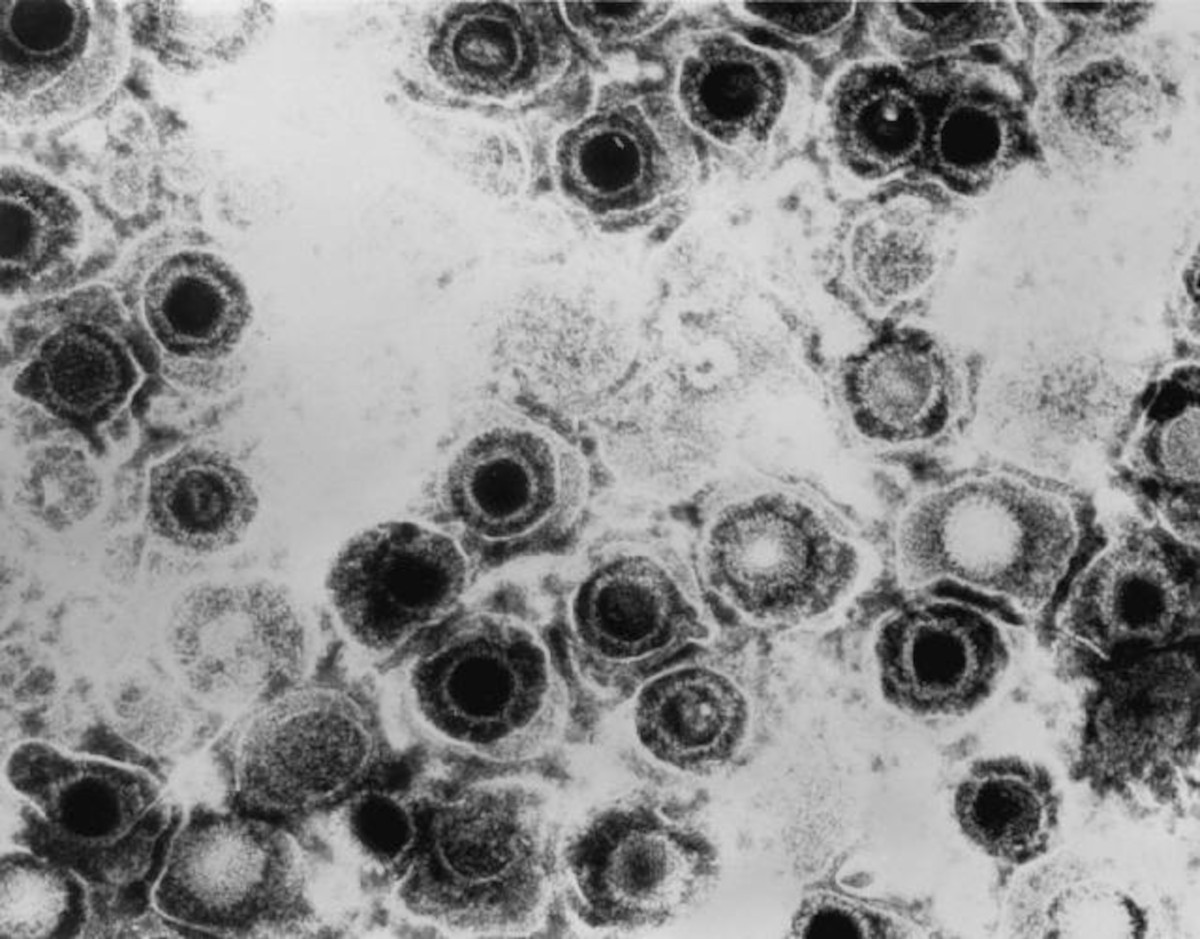
The link didn’t end there.
Studies in multiple countries later showed that people with severe herpes infections were more likely to develop Alzheimer’s – and also that herpes patients treated with strong antivirals showed a dramatically lower risk of developing Alzheimer’s in later life.
Next came 2025 data from the US and elsewhere, suggesting a link between another herpes virus and dementia: herpes zoster, which causes chickenpox and shingles.
Researchers noticed a correlation between people who’d had the shingles vaccine and a lower risk of dementia.
This was observational data, weaker than the link Geldsetzer and his colleagues found in the natural experiment in Wales.
But since the initial finding in Wales, those results have since been replicated in other countries, including England, Scotland, Canada and Australia.
“What’s been so exciting is that we see this in dataset after dataset,” Geldsetzer says. “It just keeps replicating in other countries that have rolled out the vaccine in similar ways.”
The newest study – carried out by researchers at the Hebrew University of Jerusalem, but not yet peer reviewed at the time of writing – suggests something even more promising.
It found that existing Alzheimer’s patients given an interval vaccine (two jabs, four weeks apart) maintained a stable level of cognition, while unvaccinated patients suffered steeper decline.
If confirmed, it raises the prospect of halting or at least slowing the nastiest element of the neurodegenerative disease.
Read more:
- 25 surprisingly small changes that can significantly lower your dementia risk
- 5 surprising lessons about how to age better, according to leading longevity experts
- Why dementia can be harder to spot in women – and the signs to look for
A cocktail of options
It’s tempting at this point to wonder if the herpes virus (including herpes zoster, or shingles) could somehow be the cause of Alzheimer’s disease.
It is, after all, a neurotropic virus – one that preferentially targets the nervous system. It also stays in our bodies for life, assuming we contract chickenpox as children.
Intriguingly, however, the shingles jab is not the only existing vaccine shown to lower a person’s risk of dementia.
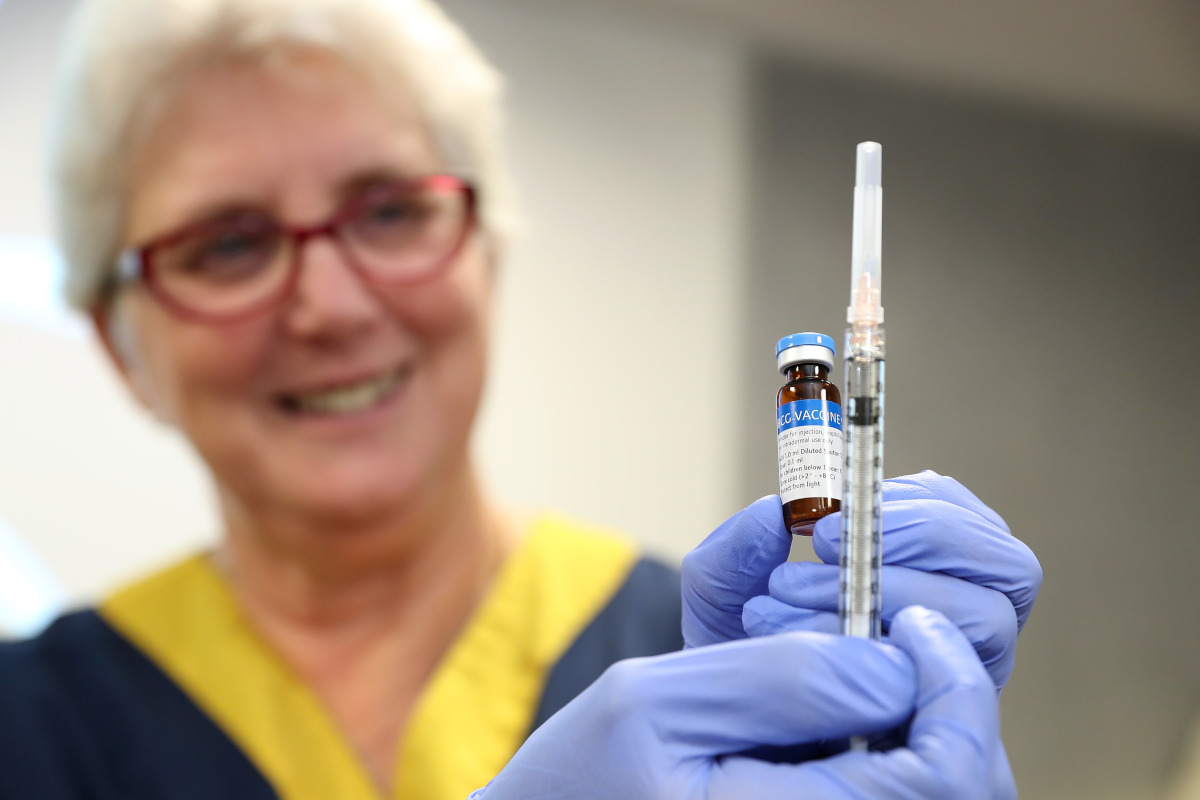
In 2019, researchers found that the BCG vaccine, which protects against tuberculosis, also lowers the risk of a person developing Alzheimer’s.
The team analysed data on bladder cancer patients up to eight years after treatment (the BCG vaccine is a standard treatment in bladder cancer therapy). At the same time of receiving the vaccine, none of the patients had Alzheimer’s.
In the following eight years, just 2.4 per cent of people who’d had the vaccine developed Alzheimer’s, compared with 8.9 per cent of patients who didn’t receive BCG. Those findings have since been observed in other datasets.
Then there’s the influenza vaccine. A 2023 meta-analysis of six separate studies found that older people who get a flu jab are 31 per cent less likely to develop dementia.
And it seems there’s a dose response: the more flu vaccines you have, the better protected you are.
Some studies have found that people who have annual flu shots see a greater benefit than those who don’t.
Likewise, in April 2026, a team at the University of Texas in the US found that a high-dose flu vaccine is linked to 20 per cent lower risk of getting dementia compared with a standard dose.
Vaccines for respiratory syncytial virus (RSV), whooping cough (known as pertussis) and tetanus are others that also show promise for reducing the risk of dementia. So what do all these studies – all of these vaccines – tell us?
“The first conclusion is it doesn’t really matter which vaccine you use. All are protective,” says Prof Richard Lathe, a researcher at the University of Edinburgh. “The second thing is that the more vaccines you get, the more protection you receive.”
There's something about vaccines
In the scramble to find treatments for dementia, another interesting study came from Lathe’s colleagues at Edinburgh in 2022.
The researchers tested 744 existing prescription medications for a wide range of ailments for their influence on dementia risk. They found 221 that had some kind of influence – but the majority increased a person’s risk.
Only four were found to lower a person’s risk, and they were all vaccines.
So the next question is how vaccines protect the ageing brain when they target pathogens with no direct links to dementia.
Lathe says the most likely mechanism is trained immunity: that vaccines don’t just prime the immune system against a specific pathogen (like herpes in the case of the shingles jab).
They also reprogramme immune cells to make the immune system better able to respond to other future challenges.
“The first thing you’re doing is you’re defending against a spectrum of pathogens, not just one,” Lathe says.
“The second thing is, these vaccines attenuate systemic inflammation, although we don’t know how that works. And we also see beneficial long-term changes in regulatory immune cells that persist for months and years after the vaccination.
“So we have three different mechanisms, all of which involve tweaking the immune system to respond in a favourable way.”
The promise of vaccines also signals a shift in our fundamental understanding of dementia.
If the immune system and inflammation play a critical role in whether a person will get the disease, it suggests a need to rethink the way dementia progresses in the brain.
The old model – while not wrong – may be too narrow.
Read more:
- I've spent my career studying ageing. Here are the 7 ways I slow my biological clock
- 'Your cognitive peak isn't in your 20s': A landmark study just demolished everything we thought about brain ageing
System failure
For decades, Alzheimer’s has been characterised as a disease caused by toxic proteins in the brain.
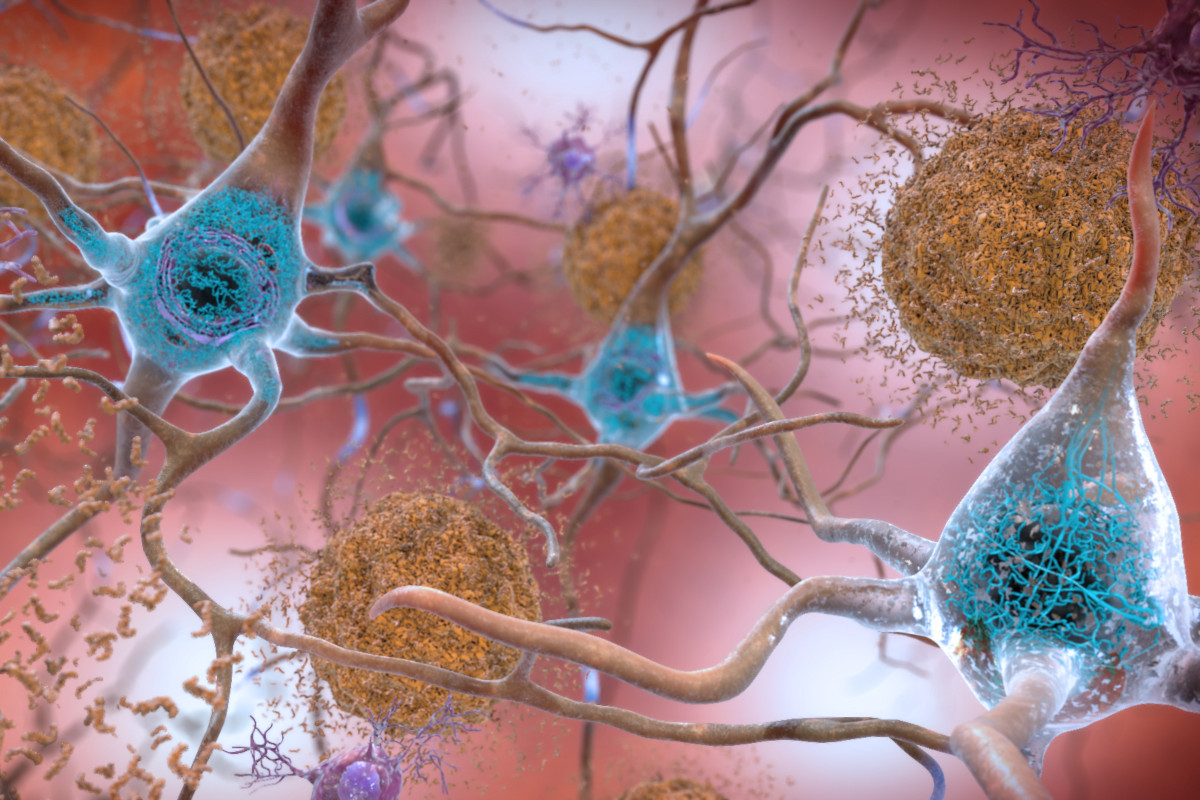
The amyloid–tau theory suggests it begins when a protein called beta-amyloid builds up between brain cells, forming sticky clumps known as ‘plaques’ that interfere with how those cells communicate.
This sets off a second problem involving another protein, tau, which normally helps keep the internal structure of brain cells stable. In Alzheimer’s, tau becomes abnormal – tangling up inside cells and disrupting their internal systems.
Over time, these tangles spread through the brain, leading to cell damage and death. The process is sometimes referred to as the trigger (amyloid) and the bullet (tau).
“No one argues – and neither would I – [whether] amyloid and tau proteins are important in the Alzheimer’s disease process,” Geldsetzer says. “It’s just a question of whether they’re the cause.”
An emerging theory – not yet consensus among scientists, but growing – is that amyloid and tau aren’t the root cause of Alzheimer’s, but something that happens along the causal pathway.
“There has been work that shows if you infect brains with herpes viruses, there can be amyloid as a reaction,” Geldsetzer says, “a bit like the crust that forms on skin when you injure yourself.”
Neuroinflammation also appears critical. Immune cells in the brain normally help clean up waste and protect neurons, but they become dysregulated over time as a result of injury, infection, stress or metabolic disorders.
Instead of quietly clearing debris, they start releasing inflammatory signals that irritate and damage nearby brain cells.
This chronic, low-level inflammation can make it harder to clear proteins like amyloid, worsen tau tangles, and gradually harm neurons, contributing to the slow decline seen in dementia.
For Lathe, age is the other key factor. “Age turns down your immune system,” he says, arguing that this leaves the elderly open to more infections and increased inflammation.
It may be a critical factor – not just in dementia, but in much broader age-related disease. And it explains why vaccines seem to offer protection.
“One of the options we have is to stimulate the immune system,” Lathe says. “And that would reduce the rates of not just Alzheimer’s disease and Parkinson's disease, but also atherosclerosis and a range of other diseases.”
The trigger and the bullet
In this systemic approach to Alzheimer’s, vaccines like those for shingles or flu target those ‘upstream’ causes and effects.
But other researchers believe it’s still worth looking at the downstream effects – those telltale proteins that build up in the brains of dementia patients.
In late 2026, researchers from the University of New Mexico, in the US, hope to begin an early clinical trial for a vaccine they developed that specifically targets toxic forms of tau, which has already shown promise in rodents and other primates.
“More and more studies suggest that it’s the tau accumulation which correlates with cognitive decline in dementia,” says Prof Kiran Bhaskar, one of the researchers involved. They have identified a number of tau biomarkers that show up in blood tests.
“The hope is that if we can neutralise these with antibodies, it prevents this tau from spreading from neuron to neuron – prevents it from worsening the disease.”
Pharmaceutical companies are also investing heavily in vaccines that target tau, amyloid and other aspects of dementia progression, including inflammation.
AC Immune in Switzerland is developing several vaccines as well as diagnostic tools that make it easier to identify people in the early stages of dementia, years or even decades before symptoms appear.
Dr Andrea Pfeifer, the company’s co-founder and former CEO, says it’s essential to diagnose earlier than we can today.
“Our goal is to treat people at risk early enough to slow or prevent neurodegeneration and cognitive decline by clearing these toxic proteins before they cause irreversible damage.
“Treatment with current antibodies means patients have to visit the hospital every two or four weeks. We envision administering active immunotherapies in a doctor’s office twice a year.”
In development at AC Immune are vaccines that target the most toxic forms of beta-amyloid and tau. Pfeifer believes that having multiple targets and combinations of therapies will give us the best chance of treating dementia in the future.
“Combination therapy in cancer has been long established,” she says. “Similarly, Alzheimer’s is an extremely complicated disease with multiple pathologies at play over long periods of time.”
According to Pfeifer, decades of research have shown that the right combination of treatments is critical to target the problem pathologies both when they first emerge and as they spread throughout the brain.
A shot at the future
Previous vaccines developed specifically for dementia offer stark warnings to today’s researchers, simply because they all failed.
In the early 2000s, Elan Pharmaceuticals had a vaccine designed to train the immune system to target beta-amyloid.
Early tests were promising, but a clinical trial was abandoned when 6 per cent of participants developed dangerous brain inflammation.
Other firms, including biotech giants like Novartis and Pfizer, have also experimented with dementia vaccines, but most trials have stalled, usually because little to no difference was seen in patients’ cognitive health.
Many of these difficulties remain today. “In biomedical sciences, 90–95 per cent of trials will fail,” Bhaskar says.
“We need to test in a preclinical model first and most immune systems are different. We can’t just jab people. That’s why safety is super important for us.”
Long, careful trials also require a lot of funding, and most researchers agree that for the dementia vaccine drive to be successful, it will probably require the teamwork and resources of academia, governments, non-profits and the pharmaceutical industry.
Even so, it’s a worthwhile investment, Lathe says.
“We calculate that even a 10 per cent reduction in Alzheimer’s rates in the US would save $38 billion [approx. £28bn] each year, $4 billion [approx. £3bn] in the UK. And that’s only a 10 per cent reduction. With some of the vaccines, we’re seeing greater than 50 per cent protection.”
It also gives hope to families whose lives are wrecked by an Alzheimer’s diagnosis, not to mention the researchers themselves.
There is genuine optimism in a field that has been bereft of it for many years. Maybe this awful disease – which looms so large in our collective future – may soon be a thing of the past.
Read more: