
A new strain of a dangerous fungus that resists every type of antifungal drug we have has been discovered – and experts warn there may be more out there.
This highly resistant form of Candidozyma auris (C. auris) was found in a 28-year-old woman in Kenya who developed an infected wound after surgery. Despite being given at least 13 different antimicrobial drugs, her infection persisted, leaving doctors with no established treatment options. The outcome of the case has not yet been made public.
The fungus itself is not new. C. auris was first identified in the ear of a Japanese patient in 2009 and has since been detected in more than 40 countries across six continents, with some strains evolving resistance to even the most powerful antifungal drugs.
The first known case of super-resistant C. auris was reported in 2022 in a 29-year-old woman from New Jersey, who was found to be infected after a multi-organ transplant. It remains unclear whether the two cases arose independently, or whether the Kenyan infection descends from the first and was imported into the country unnoticed.

The findings on the new strain, published in Scientific Reports last month, signal the “escalating threat of untreatable fungal infections”, according to the report’s authors, who stressed the “urgent need” for a robust approach to detecting and treating fungal infections in future.
Prof Matthew Fisher, professor of fungal disease epidemiology at Imperial College London, said the Kenyan case was unlikely to be the only infection of its kind. “The real figure is almost certainly higher and we are seeing only what we have the capacity to look for,” he told BBC Science Focus.
So, is this new super-resistant fungal infection a sign of bigger outbreaks on the horizon? And what can we do to fight the fungi that defy even our most powerful drugs?
Who is at risk?
Drug-resistant fungal infections are “mainly confined to hospital environments” for now, said Dr Neil Stone, infectious diseases consultant and professor of infection and immunity at University College London.
While these infections are “reason enough to worry”, he said, they are “unlikely to affect people going about their daily business”.
Fisher echoed this, saying that, while healthy people were not at risk, some hospitalised patients “very much are”.
This is because C. auris needs an entry point to the body before it can start causing harm.
“C. auris lives on the skin, and intact skin is a very good defence,” said Fisher. “The fungus can sit there for months doing no harm at all.”
In hospital, however, intravenous lines and urinary catheters can give the fungus a “direct road into the bloodstream or bladder”, according to Fisher.
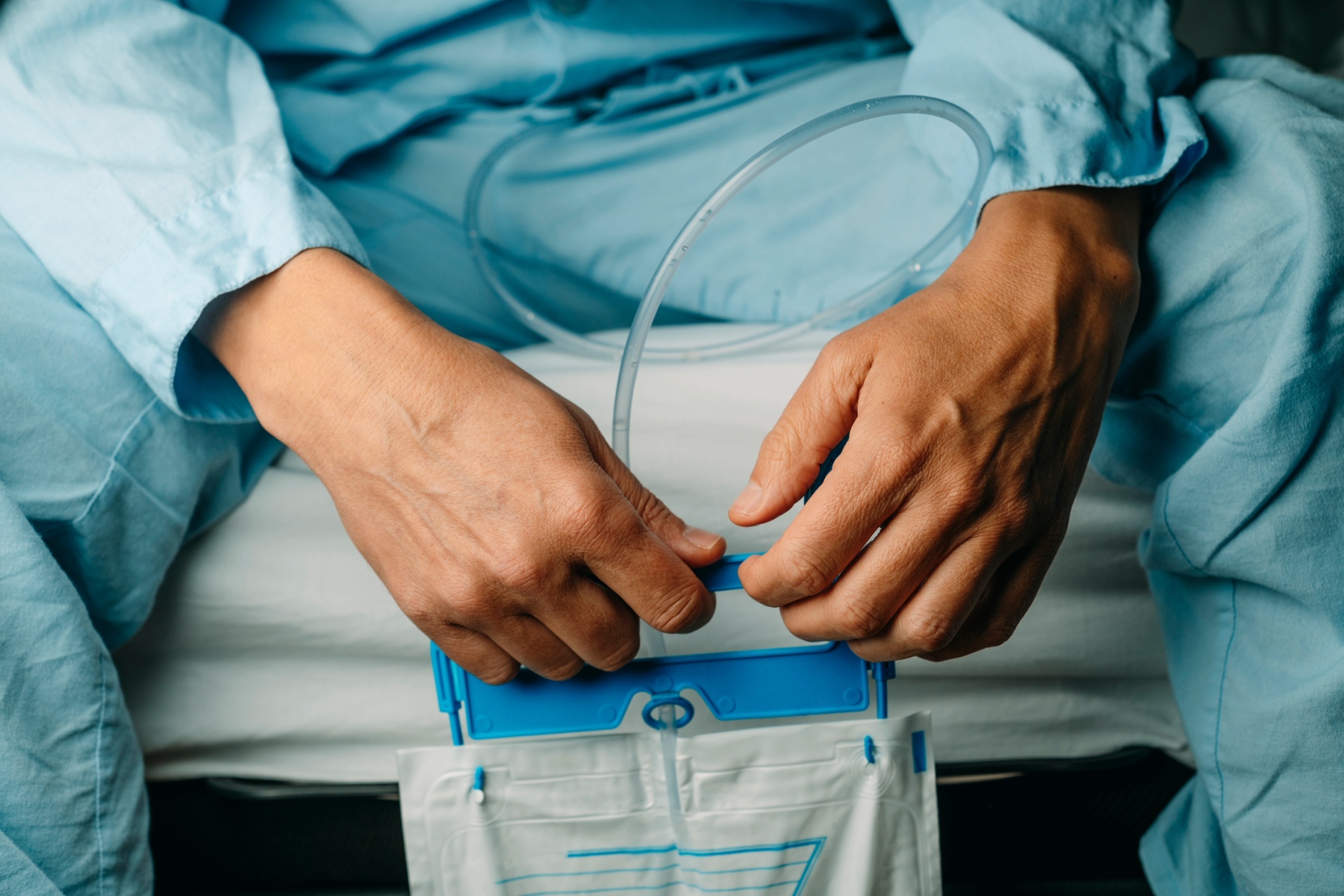
Unlike black mould or mushrooms, C. auris is a yeast – a microscopic, single-celled fungus that is invisible to the naked eye. People can carry it on their skin for weeks or months without any symptoms, spreading it onto bedrails, door handles and medical equipment.
C. auris is “unusually good” at forming sticky biofilms on plastic, making it hard for immune cells or drugs to reach once established, according to Fisher. Broad-spectrum antibiotics can also wipe out bacteria that would otherwise keep fungi in check.
This makes intensive care patients – often immunosuppressed and reliant on plastic devices for medication and fluids – particularly vulnerable.
“If it becomes invasive – for example, when it is in the bloodstream – this is life-threatening and always needs treatment,” said Stone.
Read more:
- The Last Of Us: Fungal infections are a growing threat, but don't worry, they won't turn us into zombies
- Earth's vast fungal networks are unravelling fast – and scientists are scrambling to understand why
- Mushroom magic: 5 ways fungus-based technology will change the world
Is a drug-resistant fungus more contagious?
No, being resistant to drugs doesn’t necessarily make a fungus any better at spreading from person to person, according to Fisher. “Drug resistance and transmissibility are largely independent traits,” he said.
But resistance can still help it spread indirectly. “The resistant strain is the one that survives treatment, so it colonises patients for longer and gets more opportunities to transmit onwards,” Fisher explained.
In other words, a super-resistant strain is no better at infecting people – it simply buys itself more time to do so.
That staying power extends beyond patients. Once C. auris takes hold in a hospital, it is “very hard work” to eradicate, Fisher added, as it can survive for weeks on dry surfaces and tolerate some common disinfectants.
How to fight it
Even without effective drugs, there are defences. C. auris has previously been contained through infection control measures such as screening contacts, isolating cases and using the right disinfectants, said Fisher.
And even when the fungus is drug-resistant, this doesn’t necessarily mean these measures would be less effective.
“In theory, the current hygiene methods that are recommended should work regardless of whether [the fungi] are resistant to one drug or four, as the hygiene measures are not dependent on resistance profile,” said Dr Johanna Rhodes, an assistant professor at the University of Birmingham who researches antifungal drug resistance.

She cautioned that studies would be needed to confirm this in practice: “The worry is, if an organism has evolved pan-resistance, then there are likely other beneficial mutations that could enable it to circumvent the hygiene measures.”
Even without effective antifungal medication, doctors have other ways of fighting the fungus, explained Stone. These include removing contaminated medical devices such as intravenous lines, surgically removing infected tissue and trying combinations of antifungals that might work together.
But these interventions are only useful if we know when and where C. auris is present in the first place.
“Detection is the real bottleneck,” said Fisher. “C. auris is routinely misidentified by older biochemical identification systems, and a great many laboratories worldwide cannot identify yeasts to species at all.”
Even when the fungus does cause an infection, the signs – typically a fever that won’t respond to antibiotics – can look like many other illnesses. Confirming it means swabbing the patient and running a lab test that not every hospital can do, and results can take several weeks.
Fisher stressed that, although the super-resistant C. auris found in Kenya may be the second-ever documented case of a fungus resistant to all antifungal drugs, this doesn’t mean it was the second to occur:
“My concern is less an explosive outbreak than quiet endemicity. For every invasive infection there are several silently colonised patients – so you only see the outbreak if you go looking for it.”
Read more:
