
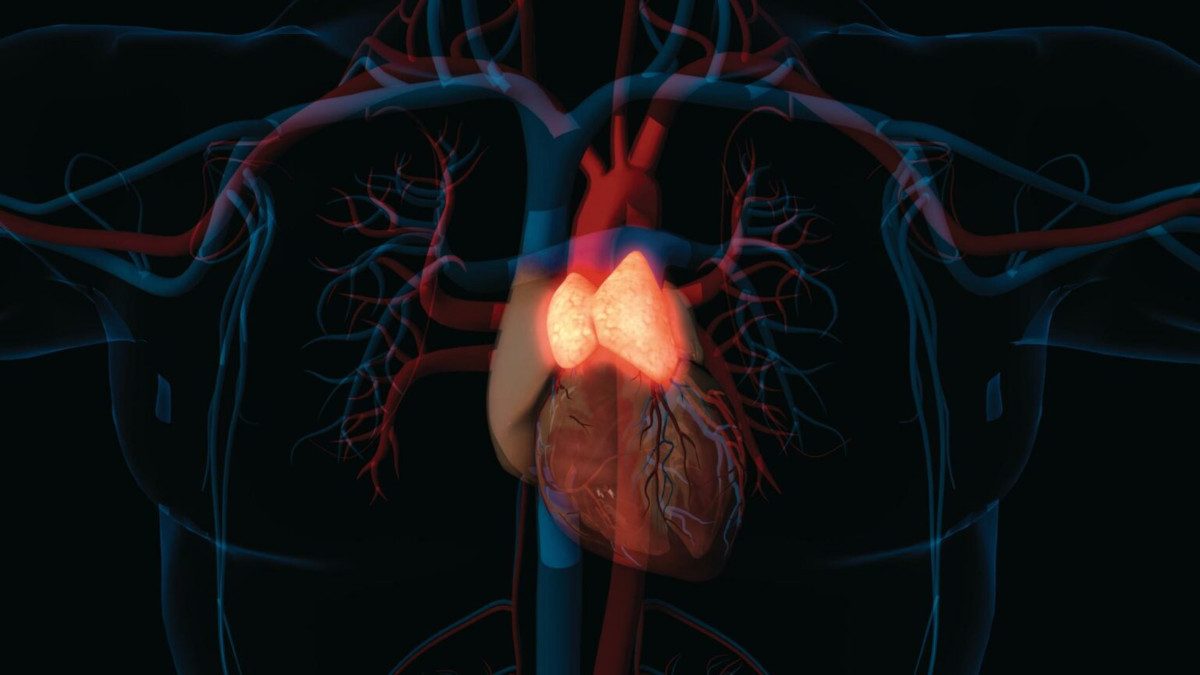
In the centre of your chest lies a tiny, thyme-leaf shaped gland that plays a big role in how long you're likely to live.
Known as the thymus, it acts as the body’s training ground for a group of white blood cells called T cells, which serve a very important function.
We rely on T cells throughout our lives to seek and destroy cancers, eliminate pathogens and marshal our immune responses. T cells are birthed in the bone marrow, but it’s the thymus that trains them to become specialised, organised killing machines.
What’s most remarkable, however, is that until relatively recently the thymus was assumed to serve virtually no purpose at all in adulthood.
Many doctors considered it to be obsolete and would routinely remove it during cardiac surgery on children (the size and position of the thymus during childhood makes it difficult to reach the heart).
Similarly, so-called thymectomies have been used as a treatment for some autoimmune conditions.
“It was thought to be a useless organ because people would cut it out and didn’t see an immediate reaction,” says Maxim Artyomov, professor of pathology and immunology at Washington University in St Louis, in the US.
But in 2023, a landmark paper published in the New England Journal of Medicine shed new light on the thymus and its importance.
The paper’s authors had compared the immune systems of 1,420 people who had undergone a thymectomy with more than 6,000 people who hadn’t and followed them all for five years.
Their work revealed that thymus removal was associated with a significantly higher risk of developing autoimmune diseases, cancer and premature death from any cause.
Such studies have led to renewed interest in the thymus and its role in not only our overall health as we age, but also the health of our immune systems and how they age.
Measurements of thymic output – the rate at which it releases mature T cells into the bloodstream, essentially a measure of the immune system’s ageing – reveal that this peaks surprisingly early in life, during puberty.
From then on, the thymus shrinks, resulting in a steady decline in the numbers of trained T cells over the rest of our lives.
“If you compare yourself at 30 or 40 years old to when you’re 80, your thymic output will be nearly at zero,” says Artyomov. “There are very, very low levels of new T cells being produced.”
But while all of us will experience this decline, or immune ageing, the scientists studying ageing are finding that we won’t all experience it at the same rate. It proceeds at different speeds for different people.
There are various reasons for this thymic shrinkage, one of which is the amount of calories we consume.
Consistently overeating, especially foods made from pre-digested ingredients such as refined carbohydrates, snack bars or ready meals, can lead to the acquisition of visceral fat.

These fat cells accumulate in the thymus, and other internal organs, impairing their function.
But while the steadily shrinking thymus is one particularly critical component of immune ageing, it’s also not the full story.
“Immunity is a complex system with a lot of different angles,” says Shai Shen-Orr, a professor and immunology expert at the Technion – Israel Institute of Technology in Haifa. “To capture the full state of the immune system, you need to look at many different things.”
Immune exhaustion
The workings of the human immune system have been forged over millions of years of evolution. Vaccines, antibiotics and modern sanitation systems have all emerged so recently in our history that our bodies have yet to fully adapt to them.
As a result, our immune systems are still primed to react strongly to any perceived threat.
For 99 per cent of human history, this reactivity was the only protection we had against a constant bombardment of pathogens.
“100,000 years ago, your immune system had to be super proactive, and that was a literal survival need,” says Artyomov.
“Even at the beginning of the 20th century, the average mortality from tuberculosis, salmonella, and diphtheria, all these infectious diseases we don’t hear much about anymore, was higher than at the peak of the COVID pandemic.”
Historically, these battles with various bacteria and viruses were one of the primary drivers of immune ageing and could eventually lead to a state known as immune exhaustion.
This is where prolonged, overwhelming stimulation results in T cells and other immune cells no longer being able to respond as well as they once did to these threats.
But because our world has shifted so drastically in the past 120 years, scientists now believe that the primary drivers of immune exhaustion have changed.
Instead of pathogens, our immune systems are now being overstimulated by other threats, from air pollution to microplastics and pesticides.
These new threats can push our immune systems to a state of exhaustion much earlier in life, and lead to them being rewired in a way that makes autoimmune diseases (where the body mistakenly attacks its own tissues) more likely.
Emerging evidence suggests that some of the synthetic ingredients within ultra-processed foods, from certain emulsifiers to common preservatives could be having a similar effect, persistently aggravating the immune system.
“These exposures push your immune system into a hyperreactive mode,” says Dr David Furman, a professor who studies how the immune system ages at the Buck Institute for Research on Aging in California, US.
“You’re constantly producing more inflammatory proteins that circulate in the blood. This means you have poorer immune responses when you need them, for example against cancers, while that inflammation accumulates in tissues and organs, causing collateral damage.”
The extent to which your immune system is being exhausted in this way depends both on your lifestyle and where you live.
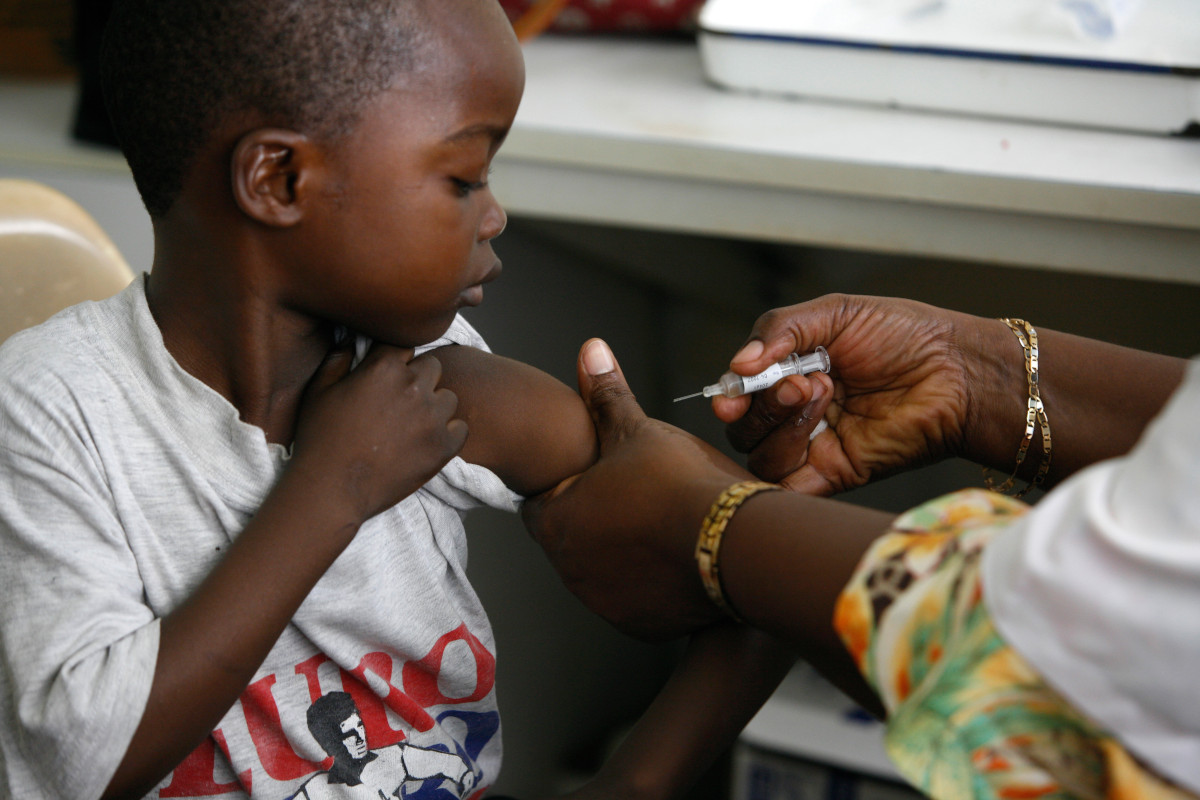
Researchers have even seen dramatically accelerated signs of immune ageing in children who have spent the first few years of their lives in heavily polluted cities, such as Dhaka in Bangladesh, compared with those growing up in an affluent part of the US.
According to Shen-Orr, this is reflected in how well these children are able to respond to vaccines.
“When we’ve looked at immune responses, the immune system of a three-year-old Bangladeshi kid is already comparable to that of a 30-year-old in Palo Alto, California, due to the environmental exposures they’ve already encountered,” he says.
“It’s one of the reasons why vaccine success rates are above 95 per cent for children in the US and below 50 per cent for some infections in Bangladesh.”
For a long time, this kind of immune ageing has remained invisible, impossible to accurately assess. But now researchers are beginning to develop tests that could enable anyone to get an idea of how well or badly their immune system is ageing.
In the future, such tests could become part of general health checkups, but they’re already revealing new information about how we can keep ourselves healthier for longer.
Read more:
- Breakthrough anti-ageing cell discovery could help you stay younger for longer
- Your 'brain community' could be the secret to ageing slower. Here's why
- The uncomfortable truth about hearing loss and dementia, according to doctors
Measuring immune ageing
Traditional measurements of immune health have focused primarily on individual biomarkers in the blood, proteins with names like IL-6 or CRP, which have been linked to inflammation.
But over the last two decades, researchers have increasingly realised that this is overly simplistic.
“There are many different types of inflammation,” says Shen-Orr. “We see this when we look at people living with inflammatory bowel disease. Around 25 per cent of these people don’t have elevated levels of CRP.”
In the hope of getting a clearer picture, Shen-Orr set out to develop a test that captured different facets of immune health, from inflammation and immune exhaustion to thymic output.
Called IMM-AGE, it also assesses the immune system’s ‘memory’ – populations of cells that remember the pathogens they’ve previously encountered – and the number of so-called ‘zombie’ or senescent immune cells that are damaged and no longer function as they should.
IMM-AGE measures 18 types of immune cells to provide an estimate of a person’s immune age.
Furman has taken a different approach.
He’s using a powerful form of AI known as deep learning to scour the blood of around 1,000 people aged between eight and 96, looking for key predictors for how the immune system declines over time.
He’s used the results to develop a different test known as iAge.
Studies have shown that having a higher iAge can predict declining blood vessel health, as well as risk of heart disease and frailty.
A person’s IMM-AGE, on the other hand, can reveal their underlying vulnerability to developing sepsis in response to an infection, and whether they’re more likely to respond less well to vaccines.
Such tests have also helped reveal how slower immune ageing can lead to longevity, with centenarians, for example, having a far younger iAge.
By studying immune ageing across such a wide lifespan, Furman has gained an understanding of how certain aspects are beyond our control.
He says that there are key transitional shifts in the behaviour of immune cells that appear to be innately programmed to happen at different points in our lives.
One of these shifts occurs in our late 30s, while the second takes place in our 60s and appears to signal the beginning of old age from an immune perspective.
This may explain the greater vulnerability to seasonal flu and urinary tract infections in the over 60s.
“We believe these shifts are genetically programmed, because you see them at a population level regardless of environmental exposures,” he says.
Faster immune ageing may also have a hereditary element. If your parents have high levels of underlying inflammation, it appears to programme their children’s genes in such a way that their immune cells are primed to generate more inflammation.
“[Inflamed parents are] very likely to have an inflamed baby,” Furman adds. “Inflammation and immune reactivity perhaps need to be considered in family planning.”
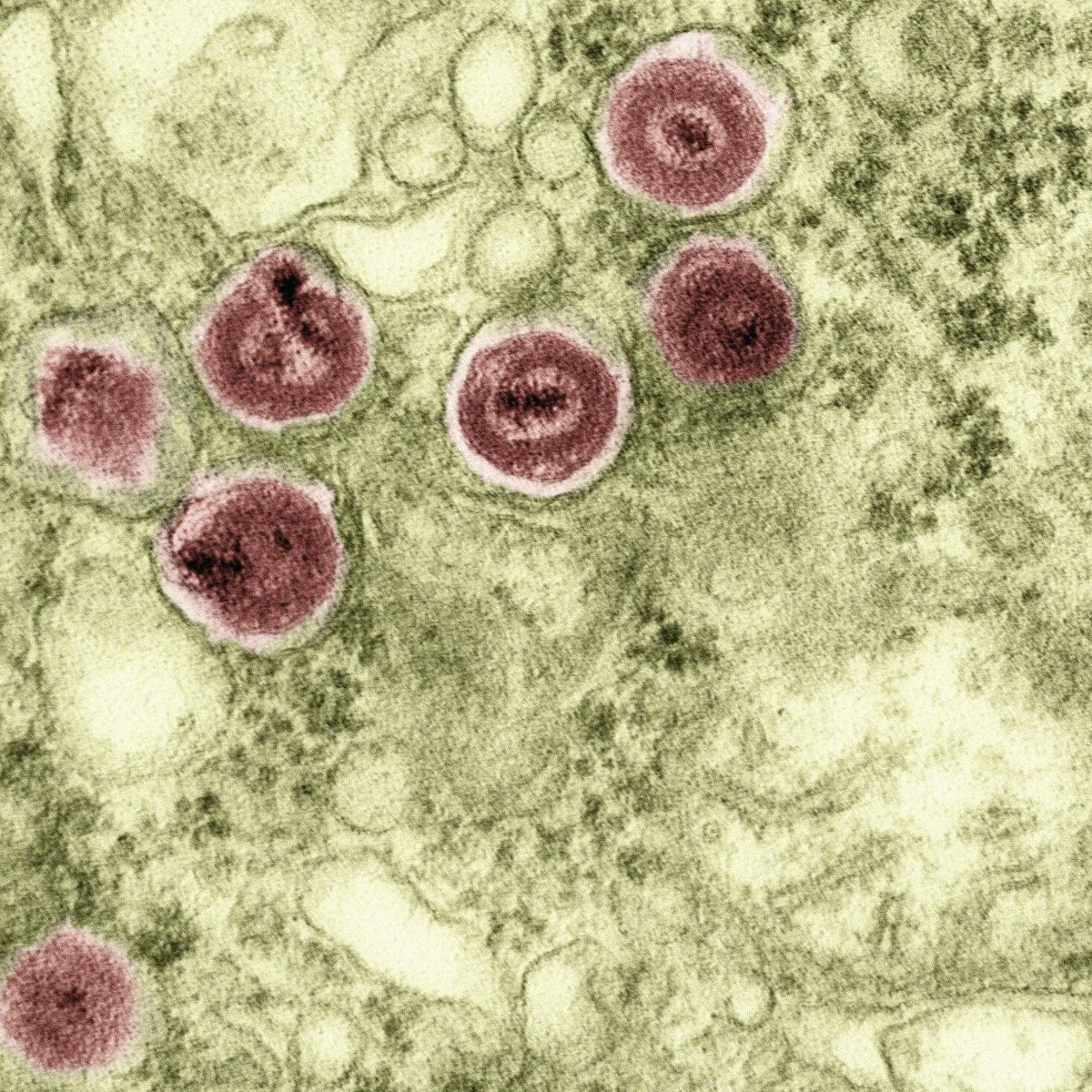
Another trigger of immune ageing is thought to be certain viruses that most of us acquire during childhood or adolescence and stay with us for the rest of our lives.
The varicella zoster virus, for example, which causes chickenpox, or the cytomegalovirus, another member of the herpes family. Pathogens like these can then hide in the body and flare up intermittently, activating the immune system.
“80 per cent of us have cytomegalovirus and it drives many immune changes in the body,” says Furman. “We believe these viruses contribute to the eventual exhaustion of the immune system.”
At the same time, population studies also reveal that we have more control over immune ageing than we might think.
“You see that the 65-year-olds who take care of themselves with regular exercise, good dental care and so on, have much lower levels of inflammation,” Artyomov says.
Mouth health is key
It’ll come as no surprise to learn that some of the top tips for keeping your immune system healthy include regular exercise and getting enough sleep each night.
But there are other emerging findings, such as the value of flossing and keeping on top of oral plaque through regular dental visits.
Declining oral health has become increasingly linked to faster immune ageing and a greater risk of numerous health conditions, from frailty to cognitive decline.

This is because the overgrowth of pathogenic bacteria around our teeth and gums can cause persistent activation of the immune system, leading to high levels of inflammation in the bloodstream and driving immune exhaustion.
At the same time, maintaining regular social connections into your 60s, 70s and beyond is increasingly thought to be key, but not necessarily for the mental benefits it provides. In this case, the benefits are microbial.
While too many pathogenic bacteria and viruses can exhaust the immune system, there are also trillions of microbes that have evolved to happily co-exist with us.
When we meet up with friends, our immune systems are exposed to all of these bacteria, viruses and fungi.
But because we’re already adapted to co-exist with them, they serve as a form of positive stimulation for our immune system, which primes it to keep functioning well.
“It’s why social isolation in the elderly leads to declining immune health and greater risk of things like cardiovascular disease,” says Furman.
The balance of your diet can also make a major difference, particularly the amount of fibre and omega-3 fatty acids you consume compared with saturated fat.
“This balance is really key when it comes to immune ageing,” says Dr Niharika Duggal, an associate professor at the University of Birmingham’s Department of Inflammation and Ageing.
According to Duggal, this is related to how these foods are metabolised. When fibre and omega-3s are digested in the gut, it releases lots of short-chain fatty acids and resolvins, which can help dampen inflammation in the gut and the bloodstream.
Yet many of us consume an excess of saturated fat by eating lots of highly processed snacks and fast food. Saturated fat is digested into substances called ceramides, which amplify inflammation.
Duggal has used IMM-AGE in her research. Looking at people in their 30s and their 60s, she’s found that the dietary balance of saturated fat to fibre and omega-3s is a more important indicator of a person’s immune health than their chronological age.
Finally, there are suggestions that certain forms of positive stress can be extremely beneficial to the ageing immune system and give it a nudge to start working more efficiently.
Ageing science is showing that a group of natural chemicals called phytochemicals, which are present in fruits and vegetables, can act as one of these forms of positive stress.
It’s one of the reasons why blueberries and pomegranates are linked to improved cognition in mid- to later life – they contain phytochemicals that kick our immune cells into gear, making them better at clearing nonfunctional senescent cells and toxic proteins from the brain.
Furman says that positive stress is also thought to be one of the reasons why taking regular saunas or dips in cold plunge pools is useful for the immune system.
Overall, his recommendation is to try to incorporate these forms of positive stress into your life as you get older, as well as adapting your lifestyle in ways that mitigate inflammation.
“Challenging your body in different ways can help protect you from these inflammatory triggers,” he says.
Read more:
