Writing as a father whose hallway mirror cracks a little more each morning as I check my haggard features before leaving for the school run, I can say that, yes – unequivocally – our children age us. Traditional research, however, suggests a more complex relationship between parenthood and ageing.
There’s no question that becoming a parent brings with it major physiological changes. This phenomenon has even been named: matrescence in mothers and patrescence in fathers.
These terms describe the physical, cognitive, emotional and social changes that parenthood brings, and several of these are well understood.
Major hormonal changes, for example, like decreases in testosterone and increases in oxytocin around childbirth, are biological adaptations thought to make for more attentive parents who bond more easily with their offspring.
Our brains shrink slightly and restructure too, probably for similar reasons.
But research has shown that these changes can leave some parents more at risk of high stress and post-natal mental health issues.
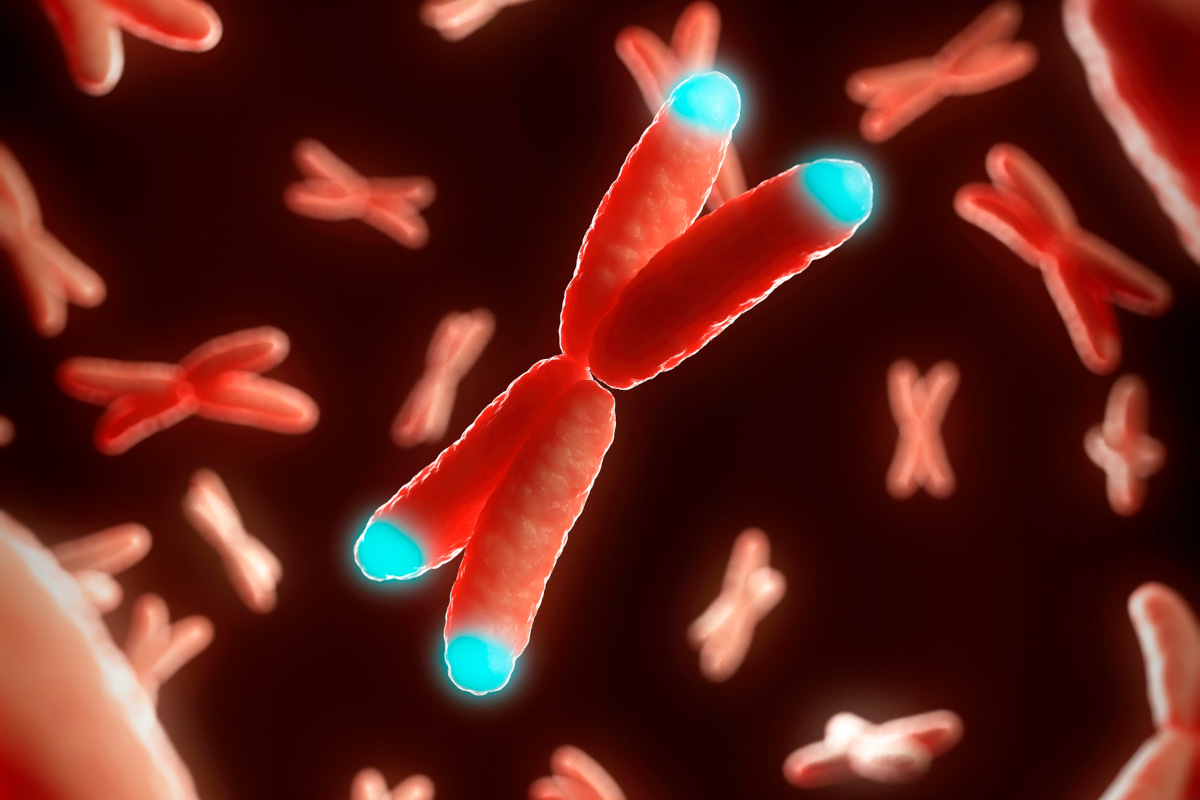
In those early years, the realities of parenting are also linked with biological ageing pathways. The lack of sleep, financial stress and general upheaval can lead to shorter telomeres, the protective caps on the ends of our DNA.
Shorter telomeres predict a higher risk of cardiovascular disease, dementia and early death. Thanks, kids!
Stress can also increase inflammation and hormones like cortisol, which are both linked to long-term health issues when levels are chronically elevated.
But as every exhausted parent is told ad nauseam, it’s just a phase. Because, in the long-term, research suggests that parents actually have a slightly longer life expectancy than people who don’t have children.
Data from Sweden suggests this advantage comes into play after the age of 60, when fathers have a two-year advantage over non-fathers and mothers have a slightly shorter advantage over non-mothers.
Why? Researchers speculate that the social and emotional support parents get from their grown-up children is a major factor.
Yet there are other powerful influences, too. Parents in low-income households, for example, generally experience more stress and in the long-term life expectancy can be as much as 10 years shorter for people in the lowest income groups compared with those in the highest.
Another factor is the number of children you have and when in life you have them. New research published in January 2026 from the University of Helsinki, in Finland, found that giving birth between the ages of 24 and 38 is associated with “more favourable” ageing and longevity patterns.
The study also revealed that women with two to three children tend to live the longest, while women with more than four children were more likely to experience accelerated biological ageing and have shorter lifespans.
That may speak to the biological costs of pregnancy and childbirth, not just the stress of having four or more children running around the house.
On the other hand, earlier research found a small positive correlation in lifespan in men who had higher numbers of children. But honestly, two is enough for me, thanks.
This article is an answer to the question (asked by Amir Ali, Colchester) 'Are my kids ageing me?'
To submit your questions, email us at questions@sciencefocus.com, or message our Facebook, X, or Instagram pages (don't forget to include your name and location).
Check out our ultimate fun facts page for more mind-blowing science
Read more: