
May I have your attention, please? I’ll try and be quick, as I probably only have about 47 seconds before your mind starts wandering. That, according to psychologist Dr Gloria Mark, from the University of California, Irvine, is now our average attention span, based on her latest study of people’s use of screens in the workplace.
When her team conducted a similar study back in 2004 (before anyone had a smartphone and there was no such thing as TikTok) we could focus for two and a half minutes before wanting to switch to something new.
Of course, these figures have their limits. Your declining concentration when grinding out a report may not mean your overall focus levels are collapsing. After all, if you were sent a long message about some juicy gossip, you’d likely be able to give this your full focus for the required time.
As other psychologists have argued, your concentration can vary so much, that the very idea
of an ‘average’ attention span is almost meaningless. Because of this, there isn’t even a scientific consensus on how to measure focus.
Nevertheless, it’s likely you feel like yours is dwindling. As one recent survey from the Centre for Attention Studies at King’s College London suggests, nearly half the population now feel as if theirs is worse than it was. With the ever-present pull of our emails (we check them 77 times a day, according to Mark’s research) and social media (up to 237 times a day for some), it’s easy to see why.
Of course, we can silence notifications, put on noise-cancelling headphones and work with applications that take up the full screen (tab clutter causes a significant drop in productivity, according to one 2021 study). Even when we’ve done all that, however, there’s still the enemy within to contend with.
You see, we’ve become so used to being distracted that we now distract ourselves. Unknowingly, you’re probably sabotaging yourself with “self-interruptions” all day long, according to Mark.
Even while reading this you may have gotten the sudden urge to look something up online, check your emails or anything else – even when in the middle of an activity – all because you’re so used to being bothered. “It’s really an unconscious action to switch,” Mark says. “People maintain this pattern of being interrupted all by themselves.”
Mark describes how knowing that we can access almost anything online feels like “we’re immersed in the world’s largest candy store and it’s hard to resist sampling the wares.” To borrow a phrase from psychologist and economist Herbert A Simon, a wealth of information creates a poverty of attention.
Even TV and film directors are pandering to our allegedly tiny attention spans (or being driven by their own), with shots lasting just four seconds on average now. “It’s reinforcing our already short attention spans,” says Mark. “It’s what people are getting used to.”
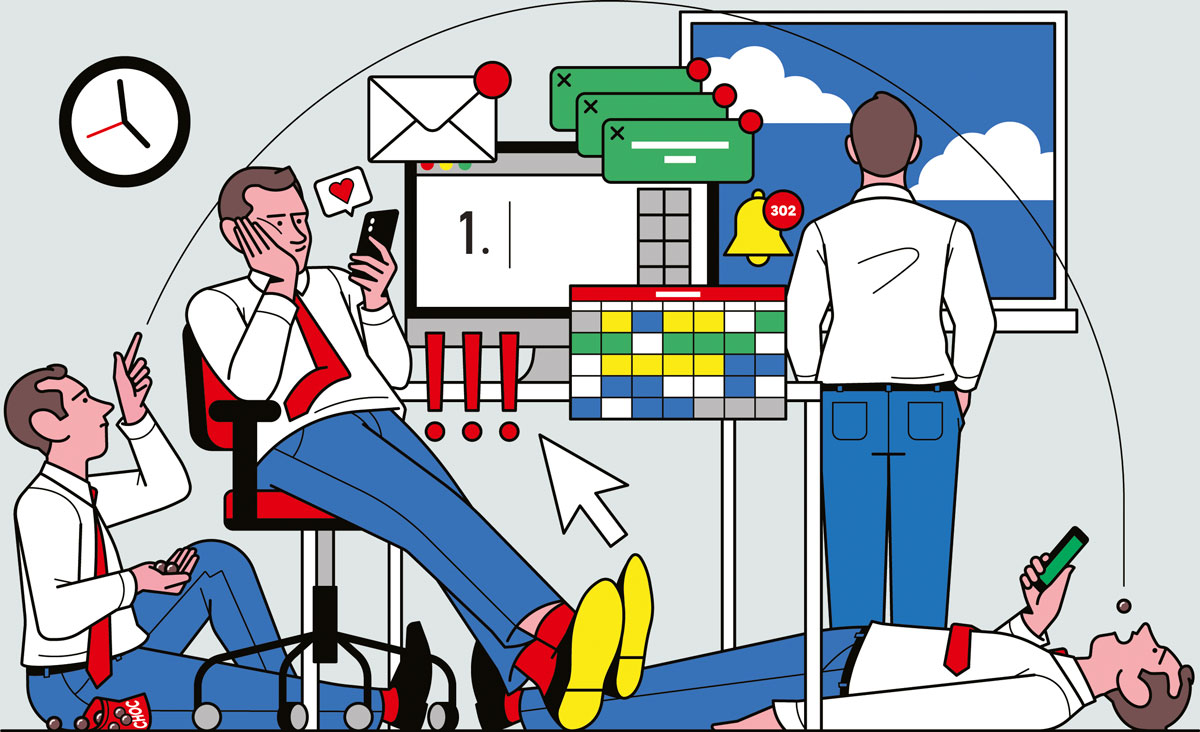
But is there a flip side to all this? Could the ability to shift the spotlight of our attention so easily lend itself to efficient multitasking?
Unfortunately not. That’s because multitasking doesn’t really exist – we can’t do more than one thing at once.
When we think we’re multitasking, all we’re really doing is rapidly shifting our attention between several singular tasks. This creates a cognitive load that, as research has shown, means that it’ll take you longer to complete your to-do list than if you tackled each of your jobs one by one, concentrating, as fully as you can, on them in turn.
Even worse, constantly flitting your concentration between tasks is likely to leave you frazzled. When Mark fitted heart rate monitors to office workers, she found that, as their attention shifting got faster, they started getting more and more stressed (as measured by heart rate variability).
As she explains, switching attention from a task to an email inbox and back again was a real problem: “We measured mood using a technique called experience sampling, where you keep probing people at different points in the day and then they answer a quick question on their phones or computers about their mood. We found that when people did emails they were in a bad mood.”
And the solution to all this? For those of us who yearn to be more productive at work, to be more present for our loved ones, or simply to read a book without our fingers fidgeting towards our phones, here are some science-backed techniques that can help boost our attention spans…
Read more:
- A scientist's guide to life: How to concentrate
- No, it’s not just a trend: The real reasons adult ADHD and autism diagnoses are on the rise
Listen to binaural beats
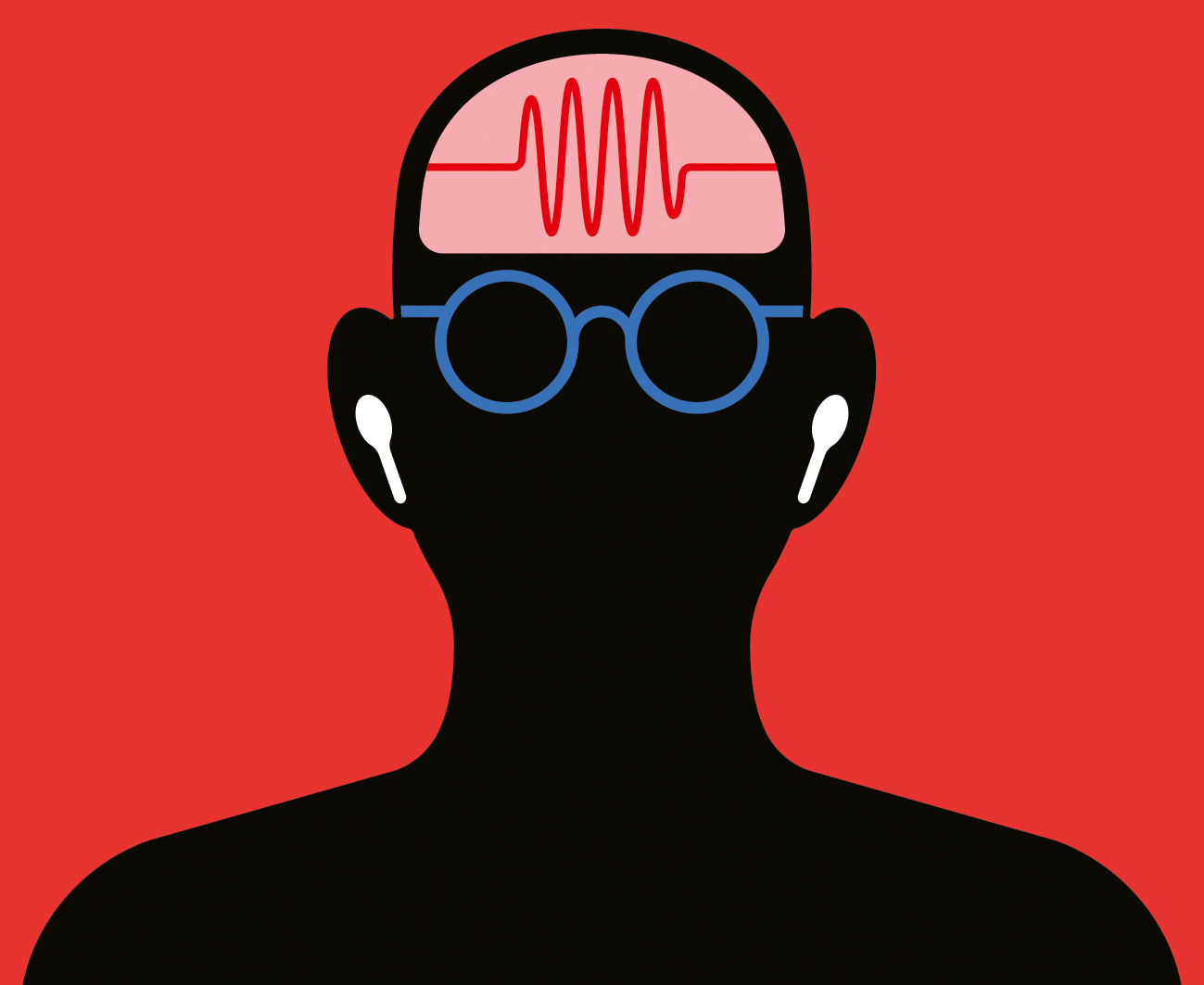
Binaural beats create a fascinating auditory illusion. When one tone is played into your left ear and another one – with a slightly different frequency – is played into your right, your brain synthesizes a third tone, the difference between the two. For instance, if a 240Hz tone is presented to one ear and a 280Hz tone to the other, we perceive a tone of 40Hz.
Yet binaural beats are more than an aural oddity – they could be the key to better focus. “It’s due to a process known as brain ‘entrainment’,” says Dr Sandhya Basu from the Birla Institute of Technology and Science in India. “Our brainwaves start mimicking the frequency of an external stimulus to produce a frequency-following response that has cognitive effects.”
This effectively means that listening to lower-frequency binaural beats could nudge your brain waves into lower frequencies, which promotes relaxation (when you’re asleep, your brain waves are low frequency). In the same way, listening to higher-frequency beats could lead to improvements in concentration.
In a 2022 paper, Basu and her colleagues combined the findings of previous studies and found that ‘alpha’ binaural beats (8-13Hz) work best for improving attention. It’s waves at these frequencies that dominate your brain when it's alert, but relaxed.
“When we’re relaxed, our cognitive activities can strengthen because of a lack of cognitive load and stress,” says Basu. “We need more robust research on generalising the results and understanding the neural underpinnings of entrainment, however,” she adds. “Nonetheless, there seems to be a promising future for using entrainment for improving cognition.”
In short, when you need to get your head down, playing alpha binaural beats (stream for free with a simple online search) might be worth a try.
You may soon be able to try a visual form of binaural beats too, as Basu did with a class of children. She took lights and made them flicker at alpha and beta frequencies. The children’s brains – tracked using electroencephalogram (EEG) – differed in how well they were entrained. It may sound distracting, but for those with high-quality entrainment, psychometric tests showed improvements in their attention and memory scores.
Sync your body clock
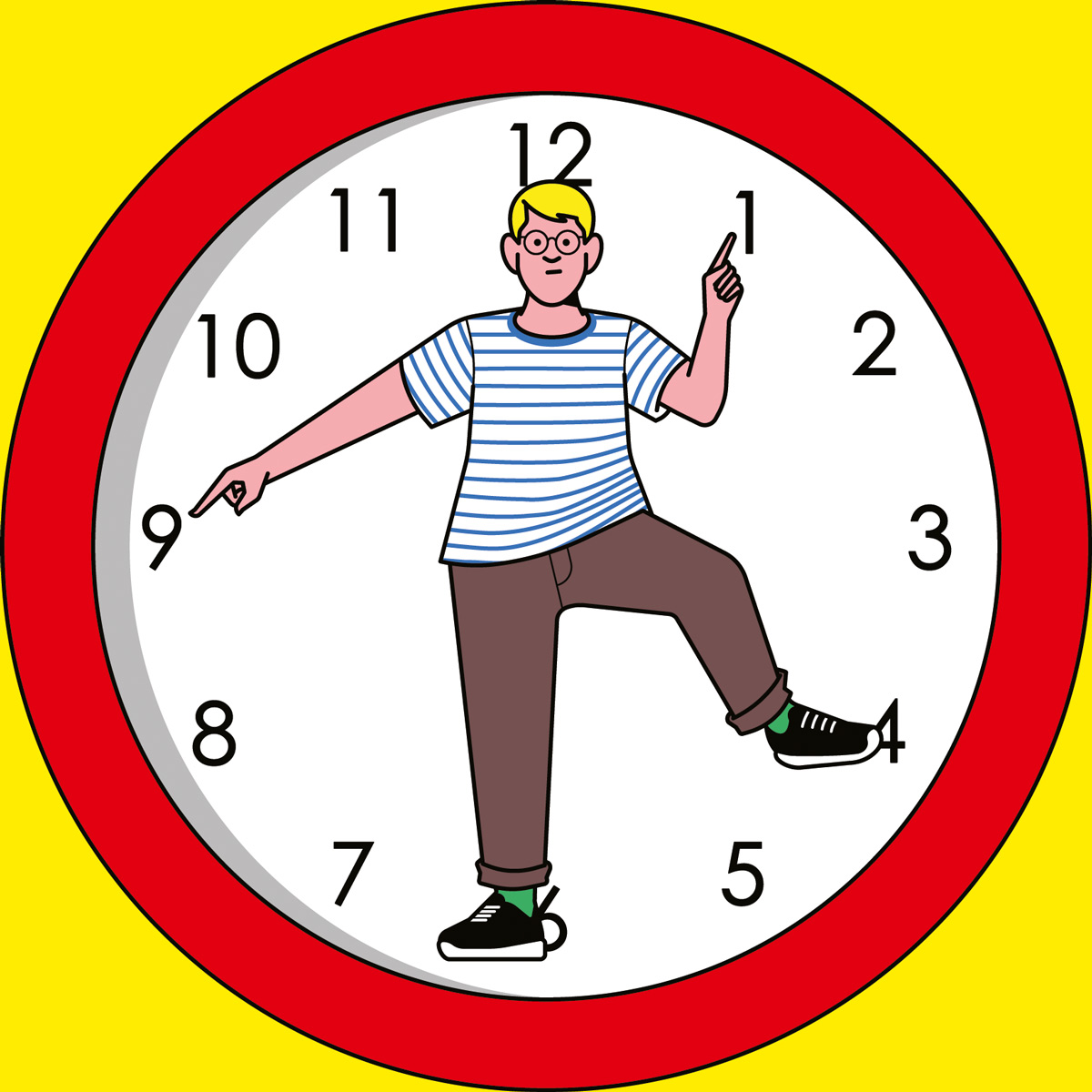
Lining up your most mentally taxing tasks with your natural peaks of focus is key to concentration, says Mark. Her research has found that, on average, these high points occur around 10am in the morning and around 2-3pm in the afternoon.
There are, however, variations around these times, depending on whether you’re more of a morning lark or a night owl (what’s known as your ‘chronotype’). “If a person is an early type, their peak focus would be earlier – before 10am,” explains Mark. “And if they’re a late type, their peak focus will be later.”
So, how do you work out what your chronotype is? One way is to complete the ‘morningness-eveningness questionnaire.’ The self-assessment was developed by Prof Jim Horne way back in 1976 and you can find examples of it online.
“But you can also keep a diary and, every 30 minutes, note down what your level of focus and engagement is. You can then map out your focus over the day,” says Mark. “Do this for several days, ideally over a week, to try to get a good sense of your regular focus times.”
Once you’ve worked out when your peak concentration times are, the next question is how long should you work for without a break? The annoying answer is that it varies.
“The length of your peak focus times depends on several things,” says Mark. “Firstly, the task itself – does it require a lot of effort, or not? Then consider the amount of resources you have available – did you take good breaks to replenish spent resources? Also, how much motivation do you have to work on the task (focus declines with less motivation)? Finally, there’s the amount of stress you experience – we need some amount of stimulation to focus, but too much stress impacts our ability to sustain focus.”
And, while it’s often easier said than done, the best way to stretch your length of focus is, according to Mark, to make sure that you start your day after a night of good, high-quality sleep.
Take a yoga nidra break

The best way to refuel your focus could be practising yoga nidra, which when translated, literally means ‘yoga sleep’. As Dr Brandon Peters – a Seattle-based neurologist and fellow of the American Academy of Sleep Medicine – explains, it’s a way of entering a “deeply relaxed state of consciousness with brain activity similar to sleep, even though you remain awake.”
Also referred to as ‘non-sleep deep rest’ (NSDR), it may boost attention by helping remove waste from the brain. “There’s a decrease in sympathetic nervous system activity when yoga nidra
is practised,” says Peters, which includes a decrease in heart rate
and blood pressure.
“This slowdown of the sympathetic nervous system may correlate with slow-wave activity in the brain, creating a cleansing effect through the glymphatic system – the waste management system
of the brain – and this may boost attention.”
Google’s chief executive Sundar Pichai is said to be a fan and if you’d like to give it a go yourself, Peters recommends downloading a narrated guide.
“While sitting or lying down with your eyes closed, the recording will take you through specific visualisation and breathing exercises,” he says. “Various audio and video NSDR guides can be found online. They should be done while wearing comfortable clothing in a quiet place, free of distractions and interruptions.”
Read more:
- Yoga found to reduce symptoms of anxiety in adults
- Yes, yoga is proven to reduce your anxiety. But not in the way you think
Cool your lighting
You might want to paint your walls a shade of blue or green, or invest in a tinted light bulb for your desk. That’s because just as we work best at certain temperatures (usually 16–24°C/60–75°F), visual warmth can have an impact too.
Researchers at the Technical University of Valencia tested 160 people in virtual reality classrooms, painted in different shades of 12 cold-hued colours (greens and blues) and 12 warm-hued ones (oranges and reds). They measured pupils’ attention by asking them to click on their mouse when they heard a specific sound, while also ignoring a series of other sounds.
The results: people performed better on the attention task (and a memory test too) when they were in rooms decorated in cooler colours, compared to the warmer ones. Using electroencephalogram (EEG) machines, the researchers also monitored the participants’ brain activity and heart rates throughout, which showed that people had different levels of physiological arousal in different coloured rooms.
The activation of the sympathetic nervous system in the cool-hue rooms was “appropriate to the maintenance of higher alertness and cognitive performance,” the researchers said.
White walls, meanwhile, may be especially distracting. Studies, including one by the Lund Institute of Technology and another by the University of Nevada, have found that children taught in classrooms with white walls found it harder to maintain concentration. As the founder of the Color Research Institute of America, Louis Cheskin, said in 1947: “White walls…. are an optical strain and a psychological hazard!”
Try martial arts
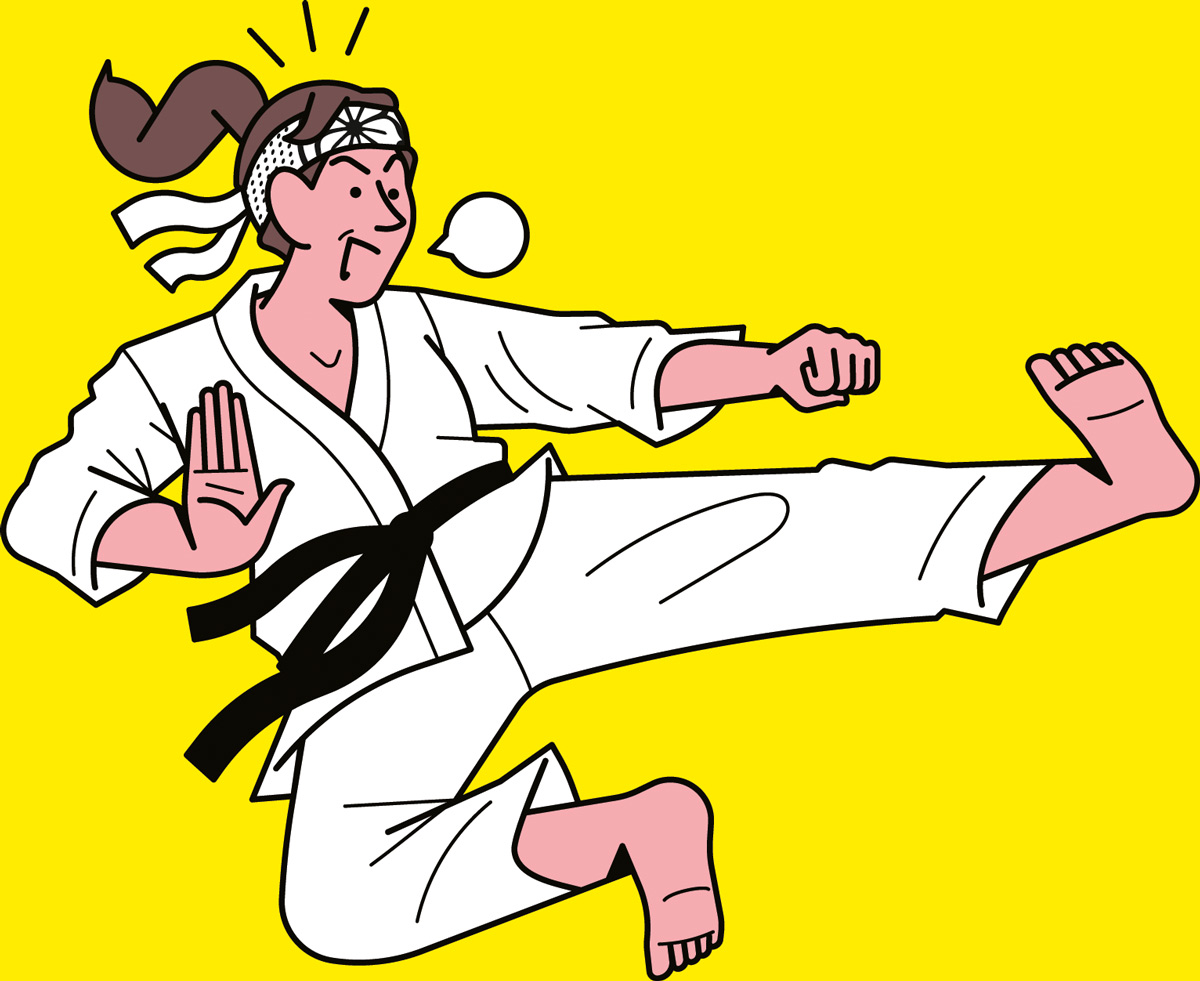
Mr Miyagi could focus on his Bonsai trees for hours, so could martial arts work for the rest of us to improve our general attention, too? Yes, according to research by Bangor University, which found that people who practised martial arts achieved long-lasting improvements in their focus.
Study author Dr Ashleigh Johnstone explains that techniques to improve our focus mainly fall into two camps: attention training (AT – think typical ‘brain training’ exercises) and attention state training (AST).
“AT tends to be based on practising the same task repeatedly and developing that specific skill,” says Johnstone. “You’ve improved your attention on that task, but it often doesn't transfer to other tasks so your general attention likely isn't improved. On the flip side is AST, which is more about developing a state of mind that allows for a strong level of focus.” And that’s where martial arts come in.
“Because it’s based on a state of mind rather than practising one specific task, it tends to be more transferable and so you find those attentional improvements in other areas of your life too,” says Johnstone. “You’re developing a new state of mind that’s getting stronger.”
In her study, some of the martial artists hadn’t trained in the days leading up to the experiments, yet “still showed improved attention, which suggests that it’s not a short-term boost immediately following a training session that will fade away,” says Johnstone.
“We found that martial artists had particularly good vigilance (also known as alertness). This is a specific type of attention, which refers to being able to sustain a level of attention such that you can quickly and efficiently respond to unexpected events. We believe that this is due to attention-state training, with martial artists needing to really focus on the present moment so they’re able to respond appropriately
while training.”
“I like to explain this by asking people to imagine they’re sparring; nobody wants to get hit in the face, so you need to be able to clear your mind and focus on what’s happening right now!”
Picture your future self
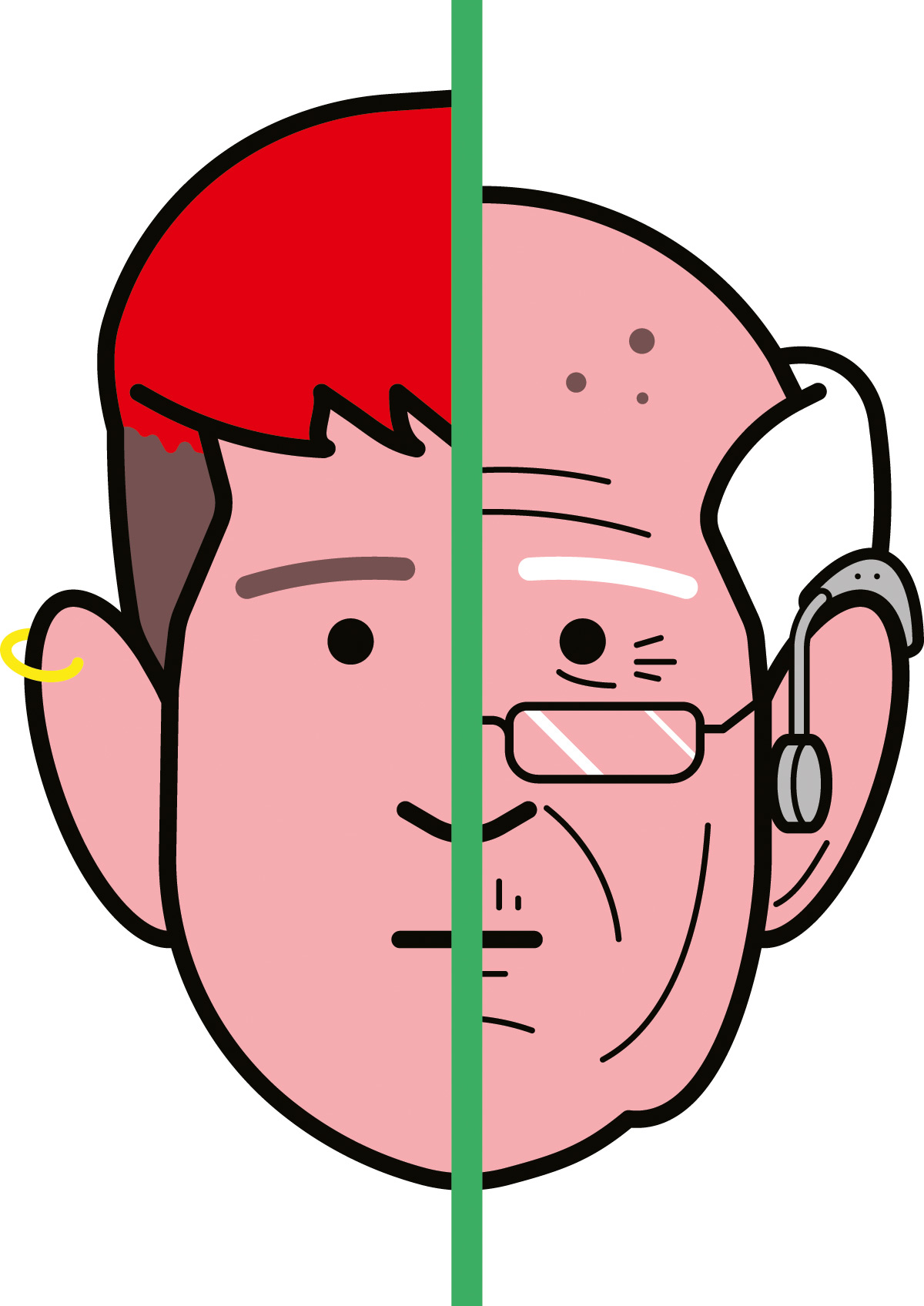
Imagining your future selves at the end of the day – where you are, what you’re doing, who you’re with – can seriously help stop you getting side-tracked, according to research.
All you need to do, says Mark, is think about how “at 7pm at night you want to feel rewarded and fulfilled, and you want to visualise yourself being with family and friends or reading and relaxing.”
She says: “Having a strong visualisation like that can help curtail that urge to check social media or do email because you have this goal of where you want to be at the end of the day.”
Similar future-self visualisations (including staring at photos of your own digitally aged faces) have been shown to increase the desire to save for retirement and to eat more healthily too. But if you’re simply looking to focus in the present moment, it’s best to start your day by imagining how you want to feel at its end.
Read more:
