
Multiple personalities were once dismissed as fantasy. Now brain scans are revealing what really happens when a single sense of self fractures
In 1951, a young woman named Eve White sought treatment in Georgia, complaining of headaches and blackouts.
Soon after she began getting help, she divulged a startling secret: she was no longer Eve White, but Eve Black, a livelier and more free-spirited individual who shared the mind and body of the first Eve.
Eve White had no knowledge of Eve Black and couldn’t remember what happened when the second personality emerged.
In further sessions, sometimes involving hypnosis, a third personality surfaced.
Her name was Jane and she was able to help her psychiatrists understand the traumatic events in childhood that led Eve White to split her identity into distinct selves and attempt a kind of resolution between them.
The woman, now called Evelyn, eventually divorced her husband and moved away into what may be a better life.
The story comes from The Three Faces of Eve, a 1957 book by psychiatrists Corbett Thigpen and Hervey Cleckley that provided one of the first widely read accounts of what was then called multiple personality disorder.
The book was turned into a movie of the same name the same year, winning Joanne Woodward an Academy Award for her portrayal of Eve.
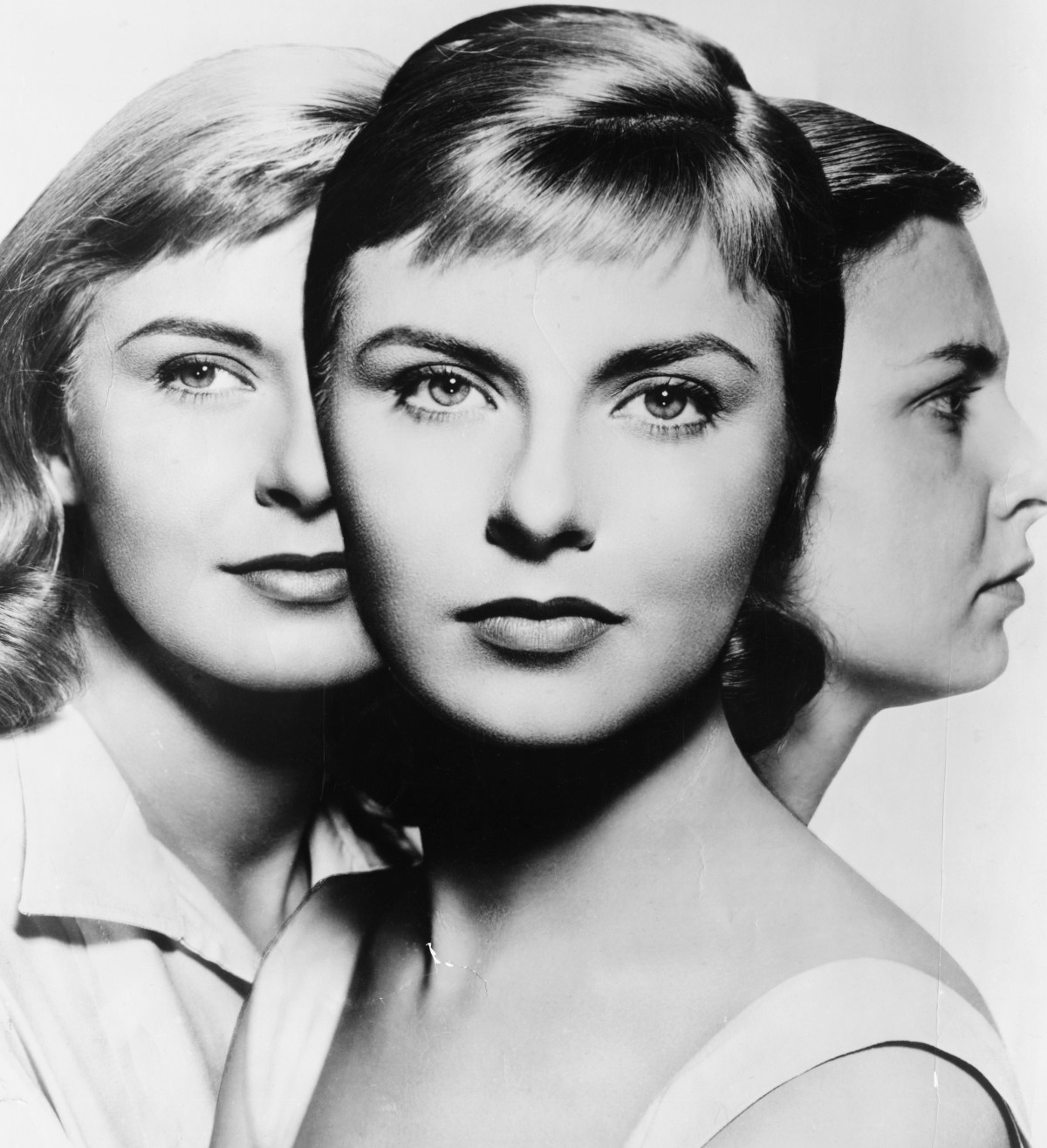
Both book and movie portray what we now call dissociative identity disorder (DID), a rare and frequently misunderstood condition characterised by the existence of separate identities within one mind.
Eve’s story aligns with many of the basic features of DID, including severe childhood trauma that requires a protective partitioning of identity which then persists into adulthood.
Like Eve, people with DID typically cannot remember things that happened to them while another identity was in control.
Most people hide their condition, afraid of being labelled crazy or unstable – a fear not helped by the fact that many go on to hear voices nobody else can.
Fictional depictions of DID, including more modern ones like M Night Shyamalan’s Split, use the concept of shifting identities to great dramatic effect.
Yet they often fail to accurately capture the experience of DID, which is both less dramatic and more nuanced than portrayed.
“The way that media has depicted it has little, if nothing, to do with what DID is,” says Dr Milissa Kaufman, the co-director of the dissociative disorders and trauma research program at McLean Hospital in Boston, where she works with people who have DID.
“It’s a disorder of hiddenness. It is not this florid kind of thing.”
People with DID do not contain different people living inside their heads, Kaufman says.
Rather, people with DID often feel like there are other selves at the back of their minds – “not me” selves, as Kaufman terms them – and that painful or uncomfortable memories or reactions belong to someone else.
Yet these states are similar to when you are angry compared with when you are calm.
The identities that are given distinct names and personalities in DID are separated, chiefly, by a lack of shared memories between them, which is a key part of the psychological defence strategy that DID represents.
Without those shared memories, different identities can feel like wholly separate individuals, even when they are not.
For decades, popular accounts of DID patients, like 1973’s Sybil, which caused an explosion of suspected DID diagnoses around the US and also spurred accusations of fraud, have failed to illuminate the core questions at the heart of the condition.
But scientists are now able to use brain scans to examine patients with DID, comparing brain activity between the different identities.
The work has both established a scientific basis for DID and helped put to rest a debate over its origins.
For years, one camp argued that it is essentially self-inflicted, the result of suggestibility and media depictions of multiple personalities.
Studies from the past 15 years have shown that’s not true, says Dr Lauren Lebois, a cognitive psychologist at Harvard Medical School and co-director, alongside Kaufman, of the dissociative disorders and trauma research program at McLean Hospital.
“Folks asked to simulate DID have not been able to replicate the patterns in brain activity that we see for folks with genuine DID,” she says.
“That suggests that DID is not a disorder of role-playing or fantasy or suggestion.”
Why the mind splits
Essentially, most cases of DID share a common, tragic origin story. The condition is typically precipitated by an onslaught of abuse at a young age, when a developing child is still trying to make sense of the world around them.
A common theme is that an abuser, often a trusted figure like a parent, is abusive at some times, but not at others, says Martin Dorahy, a professor of clinical psychology at the University of Canterbury in Christchurch, New Zealand, who works with DID patients.
“The child has to make sense of these very, very different emotional experiences,” Dorahy says.
“Those two very different people are in fact the same person, but they can’t put them together.”

This overwhelming confusion, paired with traumatic experiences, pushes a young child to redefine their world in a way that confines the memory of abuse to a safe, separate place.
“Under these conditions, the mind kind of reorganises itself, speaking psychologically. And the essence of that reorganisation can really be captured in a few simple words: ‘It’s not me,’” Kaufman says.
Not everyone in an abusive situation will develop DID, she adds. She thinks a genetic predisposition to higher levels of dissociation is also required.
While we all likely have the capacity to dissociate in response to stress and strong emotions, in some people that capability is heightened.
“This capacity allows them to mentally step back from an overwhelming experience and to compartmentalise it,” Kaufman says.
That capability may well be the reason why some people with DID survive being raised in an extremely abusive environment.
“[Dissociation] allows them to survive and still function, still make friends, still have great relationships, still go to school,” Lebois says. “It is an ingenious adaptation.”

Recent research indicates DID sits at one end of a spectrum of trauma-related psychological conditions that includes post-traumatic stress disorder (PTSD) and the dissociative subtype of PTSD.
These conditions are all manifestations of the brain attempting to protect us from experiencing a traumatic event ever again.
Patients with PTSD can experience flashbacks to a traumatic event – Kaufman uses the example of a war veteran ducking and covering in response to a car backfiring – that play out like a momentary break in reality.
But people with PTSD are more likely to be aware of what’s going on, she says, while for someone with DID experiencing that same kind of traumatic flashback, “their experience is ‘not me.’”
That ‘not me’ belief turns into switching between identities, as the brain tries to protect one or more aspects of itself.
Kaufman says that in therapy, DID patients will relive trauma in one identity but not another, evidence of how they’re being shielded.
These memories aren’t usually entirely walled off, and some patients can learn to access the experiences of other identities, Dorahy says.
“One way you might understand DID is these different identities have different perspectives on who they are as a person, different self-concepts, different ways of being themselves,” he says.
Memories that don’t fit won’t be accessible to that identity, helping to preserve coherence.
In the case of traumatic memories, they may live with just one identity, shielding a person from full, potentially shattering awareness.
Recalling every memory between identities is not usually the point of therapy, Dorahy stresses, nor is it always a good idea. Patients are not always ready to recall everything that’s happened to them.
“It’s about trying to build a whole sense of self that is then able to hold and contain and understand and make sense of the experiences that the person had in their life that are now in the form of memory,” Dorahy says.
Read more:
- 7 habits proven to make you more likeable, according to a Harvard psychologist
- What your dreams can reveal about your personality, according to experts
- What actually causes depression in the brain?
Looking into the brain
The experience of watching someone with DID switch identities can be striking for an outsider. What that experience is like on the inside has been much harder to understand.
This has left people with DID open to accusations of faking their condition.
But, in the mid-2000s, a series of neuroimaging studies of DID patients by the neuroscientist Dr Simone Reinders, now a senior research associate at King’s College London, began to build evidence that supported a distinct neurobiological foundation for the condition.
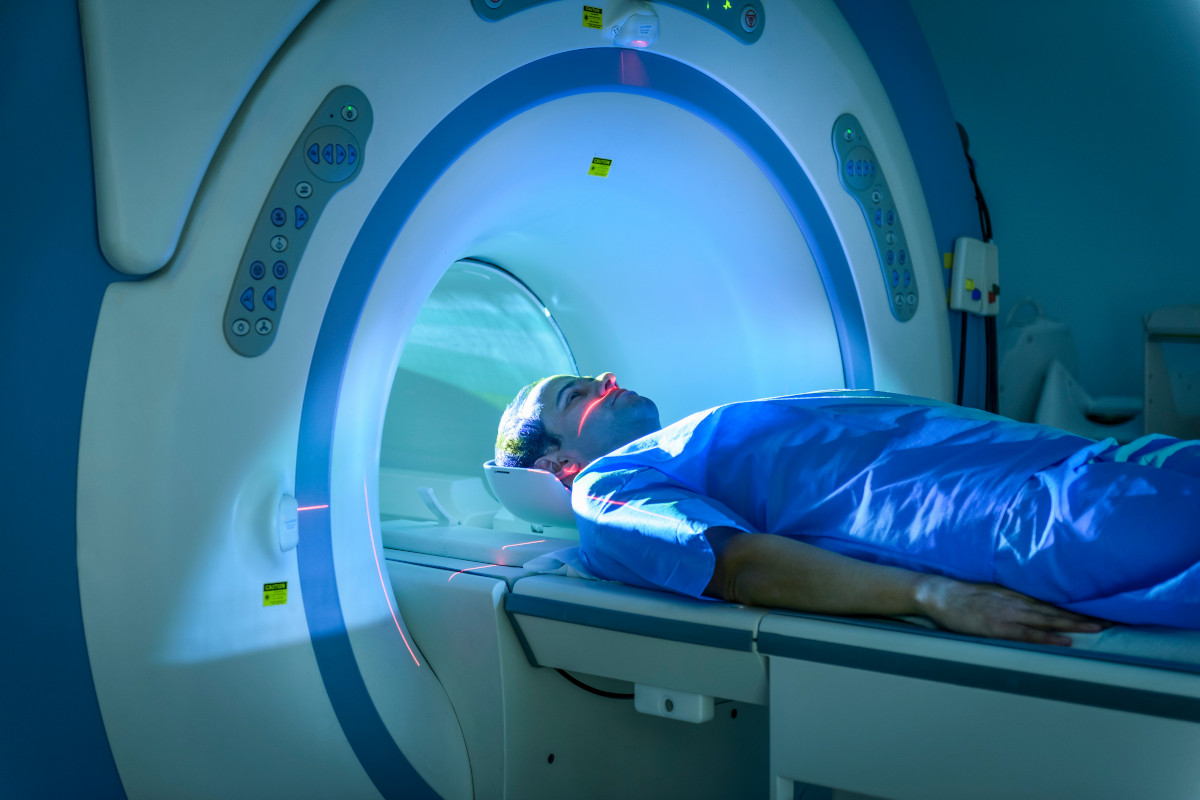
Using positron emission tomography (PET) and magnetic resonance imaging (MRI) scans of DID patients, Reinders found that their brains were both structured and functioning differently from those of healthy controls, showing the condition to be more than confabulation.
Reinders politely declined to be interviewed for this article.
“Simone’s work was foundational. We would not be where we’re at, in our lab or in the field, without her work,” Kaufman says.
In a 2012 paper, Reinders and her co-authors had both people with and without DID undergo PET scans.
Those without DID, which included some people rated as highly fantasy-prone, were unable to mimic the patterns of brain activation seen in patients with DID.
The researchers also found similarities between patterns of brain activity in DID patients and those in non-DID subjects who were suppressing emotional memories, a further hint that the identities were serving to keep traumatic recollections at bay.
In a 2018 paper, Reinders and her colleagues went further by training a machine learning model to pick out DID patients based only on the structure of their brains, a step toward establishing a neural signature of DID that not only underlines its neurobiological basis, but could also help in diagnosis.
Thanks to research from Reinders and others, Lebois says a clear distinction between DID and other kinds of trauma-caused conditions like PTSD has emerged.
These differences are seen in two brain regions: the amygdala, which in this context helps detect the relevance of events or stimuli, and the ventromedial prefrontal cortex (vmPFC), which exerts executive control over physical and emotional reactions.
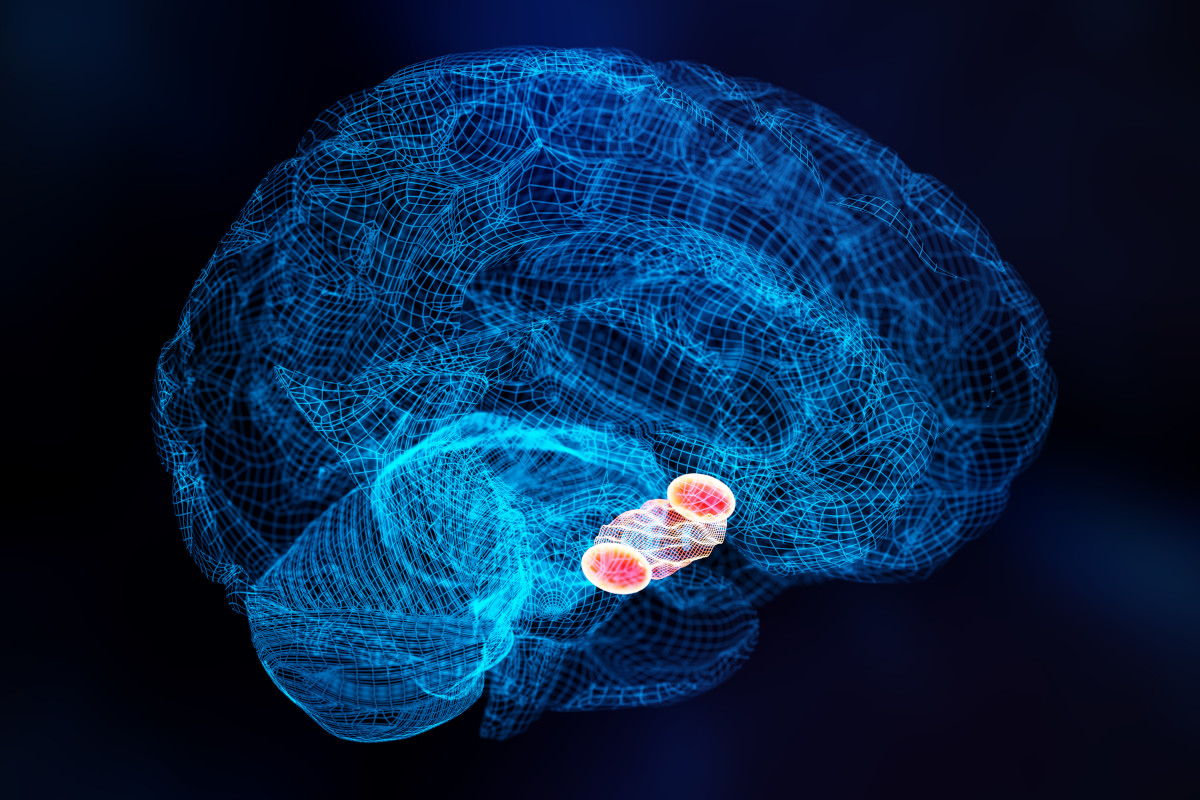
In people without PTSD who are exposed to a trauma-simulating situation, Lebois says that studies showed a rapid activation of the amygdala. This is because the brain is preparing a stress response.
Next, there is a quick activation in the vmPFC to help regulate that response, such as by tamping down the reaction if no true threat is present.
People with PTSD, however, have the opposite kind of reaction in their vmPFC, which is underactive and unable to regulate their reaction to stress.
“It’s kind of like the brakes are off in the brain and you get this continuous threat response being mounted, even though that threat is no longer present,” Lebois says.
In those with the dissociative subtype of PTSD, the response is different.
Brain studies show the amygdala is underactive, while the vmPFC is highly active – like “the brakes are on too tightly,” Lebois says. That can manifest as numbness and detachment in the face of stress, rather than panic.
In DID, however, these patterns of brain activation are not set.
Instead, they vary depending on the identity a person is manifesting in that moment: a hyperactive amygdala causing a stress response in one identity, a hyperactive vmPFC leading to detachment in another.
“It seems like folks with DID are kind of oscillating between different PTSD patterns, depending on what self-state they’re experiencing in any given moment,” Lebois says.
In several studies, Lebois and Kaufman looked at how different regions of the brain worked together in patients with PTSD, dissociative PTSD, and DID.
They focused particularly on two networks: the default mode network, which is associated with self-related thinking or thoughts arising from within, and the central executive network, which is associated with executive function and working memory.
The two networks are normally not active at the same time, Lebois says, but “the more dissociative folks were … the more likely these networks were to be active at the same time.”
The results match how those with DID describe their experience, in which “it does feel like different aspects of self are kind of intruding into their executive functioning.”
Another recent paper probed the kinds of connections between areas of the brain’s auditory cortex that can cause people with DID to hear voices inside their heads.
With functional MRI, the researchers found those connections to be distinct from those implicated in voice hearing in schizophrenia – underlining the differences between the two conditions.
Results like these are invaluable in the clinic, according to Lebois, where they help show patients why they are experiencing certain things while also destigmatising those experiences by providing an explanation rooted in neurobiology.
Is DID everywhere?
Intriguingly, even as the science has shown that DID is a legitimate, if uncommon, condition that arises in an attempt to cope with trauma, videos of self-diagnosed DID patients appear in large numbers on social platforms like TikTok.
The trend appears to mirror the post-Sybil spike in diagnoses that occurred in the 1980s, when people who may have experienced trauma or had other mental health conditions began to be told they housed multiple personalities.
These people may still be experiencing a legitimate psychological condition, Dorahy says, and may have experienced trauma in the past.
But many social media videos depict symptoms that don’t line up with what he and other psychiatrists see among DID patients in the clinic, he says.
Kaufman says she’s also seen something similar in her work recently.
“We were having young people show up who didn’t have a trauma history but really felt that they were switching,” she says.
“I don’t think you can make a diagnosis based on behaviours that you see on TikTok. That worries me a great deal.”
Kaufman adds that she’s happy people are speaking more openly about mental health, and, like Dorahy, stresses that many people on social media likely are dealing with real mental health issues.
Dorahy frames the recent spike in people claiming to experience DID as a desire for both connection and for understanding.
By identifying with the DID community, a person can feel a sense of belonging and acceptance they may not have found elsewhere.
Having a diagnosis, or at least believing you’ve found one, might also give people a framework with which to understand their mental health, as opposed to casting about for explanations.
What remains true today, as it was in the mid-20th century when The Three Faces of Eve was first published, is that we remain captivated by the concept of identity and how it can seem both fixed and mutable at once.
Read more:
