Because everyone gets anxious sometimes, anxiety is one of the hardest mental health conditions to get your head around. We all fret. We all worry.
But for some people, anxiety is much more than the occasional sleepless night – it’s an unwanted companion, an illness.
Right now, such anxiety is a wildfire. In 2023, the Mental Health Foundation found that 60 per cent of Brits suffered anxiety that interfered with their daily lives. And in the US, almost one in five adults now have an anxiety disorder.
You’ve probably heard of the well-established treatments, including cognitive behavioural therapy and drugs like selective serotonin reuptake inhibitor (SSRI) antidepressants. But as effective as these are, they’re mostly reactionary.
What if there was a way to ‘inoculate’ yourself from the worst of your worries – to stop anxiety escalating from everyday stress to something clinical or catastrophic? If that sounds like a stretch, there’s research to suggest otherwise.
In January 2025, a paper in the journal Emotion studied people using 18 different emotion regulation strategies during the COVID-19 pandemic, including exercise, journaling and cognitive reframing.
The study found that using a mix of these strategies worked for different people in reducing anxiety over time. The most interesting finding: many of these effective techniques weren’t just quick fixes for when anxiety strikes.
In other words, you don’t have to rely on mindfulness in a crisis or breathing exercises when you’re already hyperventilating.
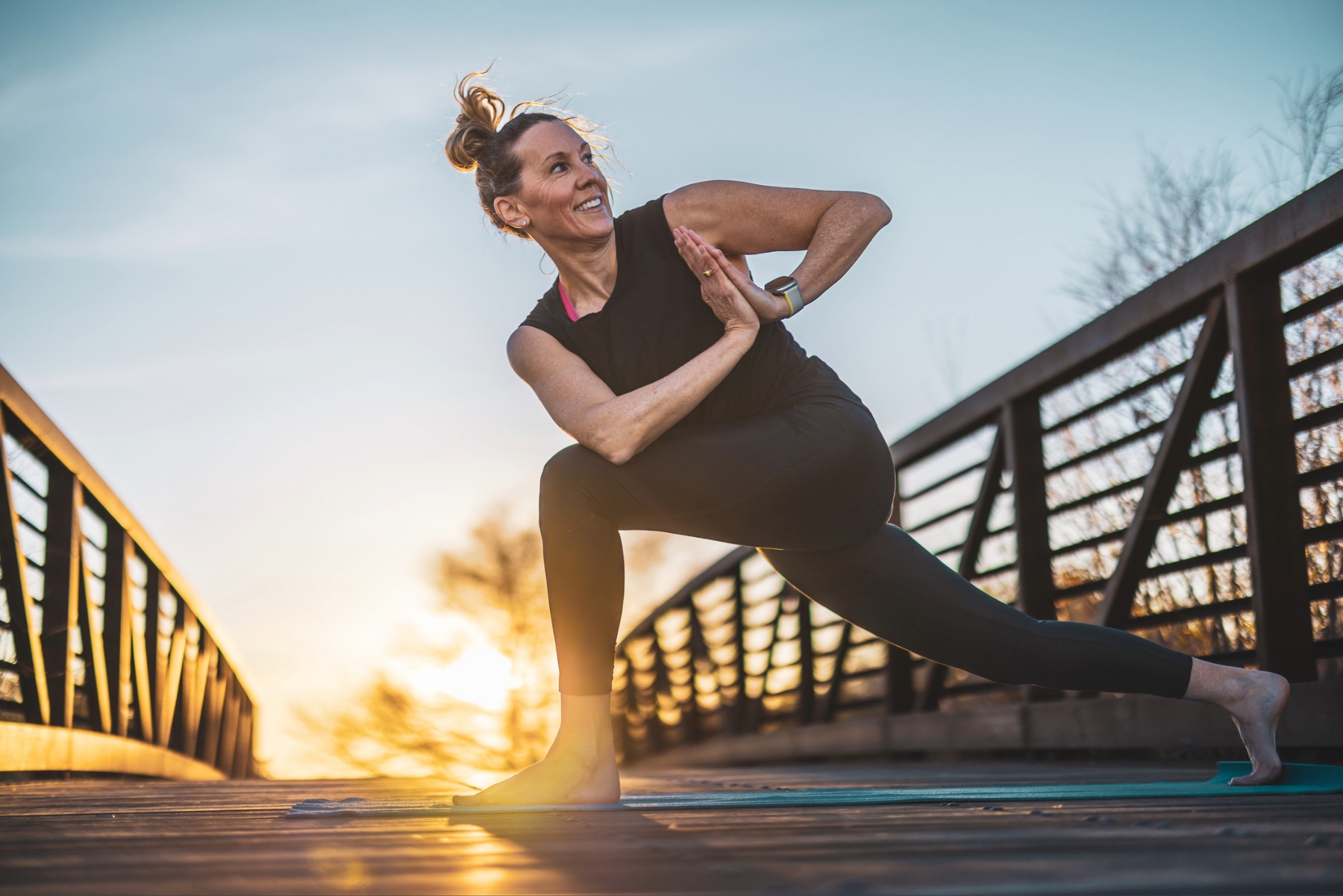
There are tools you can use to regulate your day-to-day emotions and reduce the likelihood of anxiety becoming a serious problem in the first place, says Prof Ethan Kross, director of the Emotion and Self Control Lab at the University of Michigan, in the US, and one of the authors of the paper.
“A lot of people think that managing your emotions is incredibly hard,” he says. “But lots of tools are easy to use.”
"My recommendation is to learn about all of them, because what we’ve learned from our research is there are so many different combinations of tools that work for different people – and even the same person across different days.”
Below are seven of the most effective pre-emptive strategies that lower the volume and frequency of anxiety.
Not all of them will work for you. Some of them are even a little contradictory. But, as Kross says, “It’s about finding a cocktail that works for you.”
1. Squash your feelings
For decades we’ve believed that ignoring trauma and anxiety is a bad thing.
Sigmund Freud convinced us that by squashing or suppressing the things that upset us, we only force those issues into the dark cauldron of our subconscious, where they ferment and fester before eventually bubbling back into our lives.
Now, psychologists aren’t so sure that’s the case.
In 2023, researchers at the University of Cambridge found that suppressing negative thoughts might actually be good for a person’s mental health.
Their study, conducted during the COVID-19 pandemic – a time when anxiety was at an all-time high – challenged the common belief that pushing worries aside only makes them worse.
Participants were asked to imagine stressful, anxiety-inducing events. Then, over three days, they were trained to suppress those thoughts whenever they were given a specific prompt.
The results suggested that, rather than bottling up emotions in a harmful way, learning to manage negative thoughts could actually help people feel better.
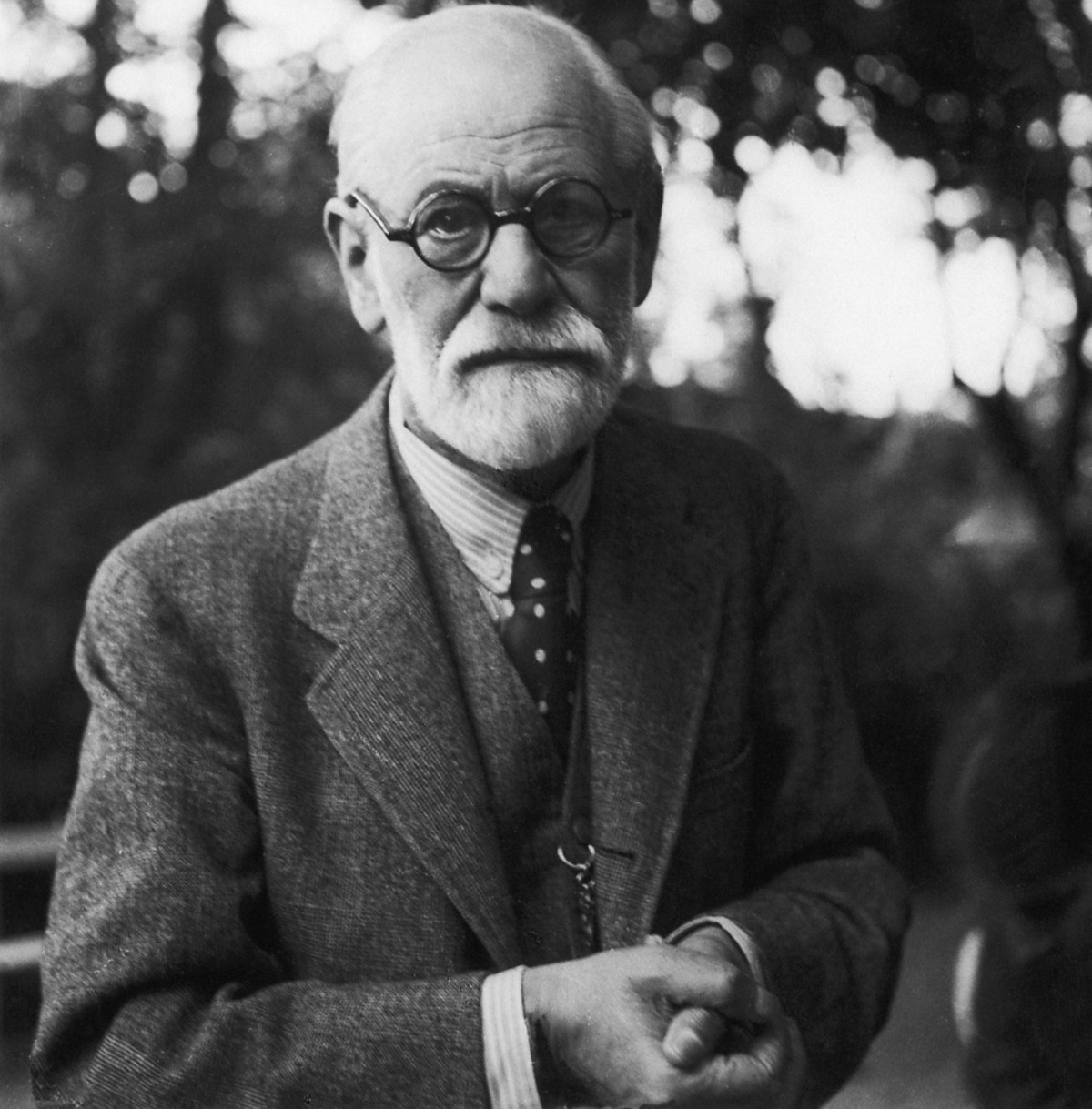
To be clear, it’s not about avoiding a problem that needs addressing, but the emotion attached to it. “You identify the nature of the fear and recognise what it is,” says Prof Michael Anderson, one of the researchers on the team.
“But then don’t go there. Don’t allow your mind to leapfrog into the cascade of thoughts that you usually experience. And if something does come into mind with a thought or an image, quickly push it out.”
In just three days, Anderson and his team found that virtually all the participants – some of them with severe cases of anxiety, PTSD and even depression – had seen results.
“There was a significant improvement in mental health immediately,” he says. “And there was a significant improvement in mental health at a three-month delay. The feared event seemed less vivid and became less anxiety-provoking.”
Incredibly, it was the people with the most severe mental health issues who enjoyed the most benefits.
Anderson believes there’s a potency in suppressing negative thoughts that you don’t get with the opposite – positive thinking – which is more commonly recommended to people with anxiety.
“When everything feels like it’s falling apart, trying to focus on positive thoughts can feel completely delusional,” Anderson says.
“It’s not very helpful. But when you chop off a negative thought at the knees, you prevent it from doing all this secondary damage, too. You prevent it from making you lose sleep, or having an outburst with your partner because you’re so stressed.”
Read more:
- The 6 most important questions about anxiety, answered by a psychologist
- The everyday nutrient a leading doctor says could help tame an anxious brain
2. Take back control
A lack of control over life events big and small can make people more susceptible to anxiety. Likewise, researchers find that when it feels like you’re in life’s driving seat, anxiety is less likely to force you off the road.
Another team at Cambridge published a paper that showed women who feel in control of their lives, or find meaning and purpose in them, are much less likely to experience anxiety – even when they’re living in economic deprivation.
In psychology, our sense of personal control is moderated by a number of factors – ironically, many of them are out of our hands.
Socioeconomic status, employment status and having stable relationships all play a part. And while we can’t always change those overnight, there are other ways we can reclaim a sense of control.

Goal setting and self-improvement are obvious examples, because they provide people with direction and purpose.
Research suggests that adult education classes, for example, can help protect mental health by providing focus while also boosting confidence and even improving earning potential.
Not looking for another certificate for your Record of Achievement? Meaning and purpose can come in other forms, too.
Researchers have found that people who play team sports are less likely to suffer anxiety (even compared to people who play solo sports).
Likewise, volunteering has ‘stress-buffering’ effects on daily wellbeing, according to a study from the University of Massachusetts, in the US.
The lesson seems to be that routine, social connection and a sense of improving yourself or the world are all potent ways to keep anxiety at bay.
3. Create anti-anxiety rituals
Another way to create a sense of control and routine is to set healthy rituals designed to neutralise stress and anxiety.
Ritualistic behaviour is something most humans like to do in some form or other, from having your bedtime tea to the footballers who refuse to put their left sock on before the right.
Most rituals create a sense of calm and predictability.
And multiple studies have shown that ritualistic behaviour in advance of something stressful, such as public speaking, can help regulate people’s emotions by lowering anxious feelings and even heart rates.
You won’t be surprised to hear that rituals can go too far, especially for people with obsessive compulsive disorder (OCD). But Kross believes that, when they’re done right, they’re a useful tool for combatting anxiety in advance.
“You can make links between certain situations and certain behaviours,” he says. “Identify a situation or context that could make you anxious. Then you put in a behaviour, a strategy to use if this happens, and you rehearse that a few times.”
"Now there’s an automatic link between a triggering situation and a healthy response to it.”

One ritual Kross recommends is expressive writing. “It can be a very valuable tool,” he says.
“Sit down with your problem for 15–20 minutes a day, over one to three days, and just let yourself go. Don’t worry about punctuation or grammar.”
Writing helps bring structure to difficult experiences, making it easier to process emotions and develop healthier responses when similar challenges arise in the future, Kross explains.
“It can be really helpful for allowing people to work through their experiences.”
A 2022 review in the British Journal of Clinical Psychology backs this up, finding that expressive writing has a lasting effect in reducing symptoms of anxiety, stress, and depression.
Read more:
- How to permanently change your relationship with alcohol in 30 days
- The genius tricks that make any new habit actually stick, according to a psychologist
4. Learn to tolerate the unknown
Control and rituals are good things – but for people who are susceptible to anxiety, trying to wield too much control can spiral into bigger problems.
That’s because a lot of people with anxiety have what’s known as an ‘uncertainty intolerance’.
“It’s a fear of the unknown or the uncertain, and a desire for predictability,” says Prof Claire Lomax, a clinical psychologist at King’s College London, who has published a number of papers on anxiety disorders.
“With anxiety, people want to be 100 per cent sure that they’re not going to have a panic attack or that they’re not going to look stupid in front of people or, if they have OCD for example, they’re not going to get some terrible disease if they don’t wash their hands.”
The problem is, absolute certainty is impossible in most situations so some people end up avoiding situations where they don’t have that overriding control.
“Unfortunately, that’s the worst thing you can do,” says Lomax.
She likens uncertainty intolerance to a kind of allergy. The way to beat it (or even prevent it becoming a problem) is to safely and gradually expose yourself to the allergen.
In the case of uncertainty intolerance, that means walking away from the small cul-de-sac of habits you’ve created.
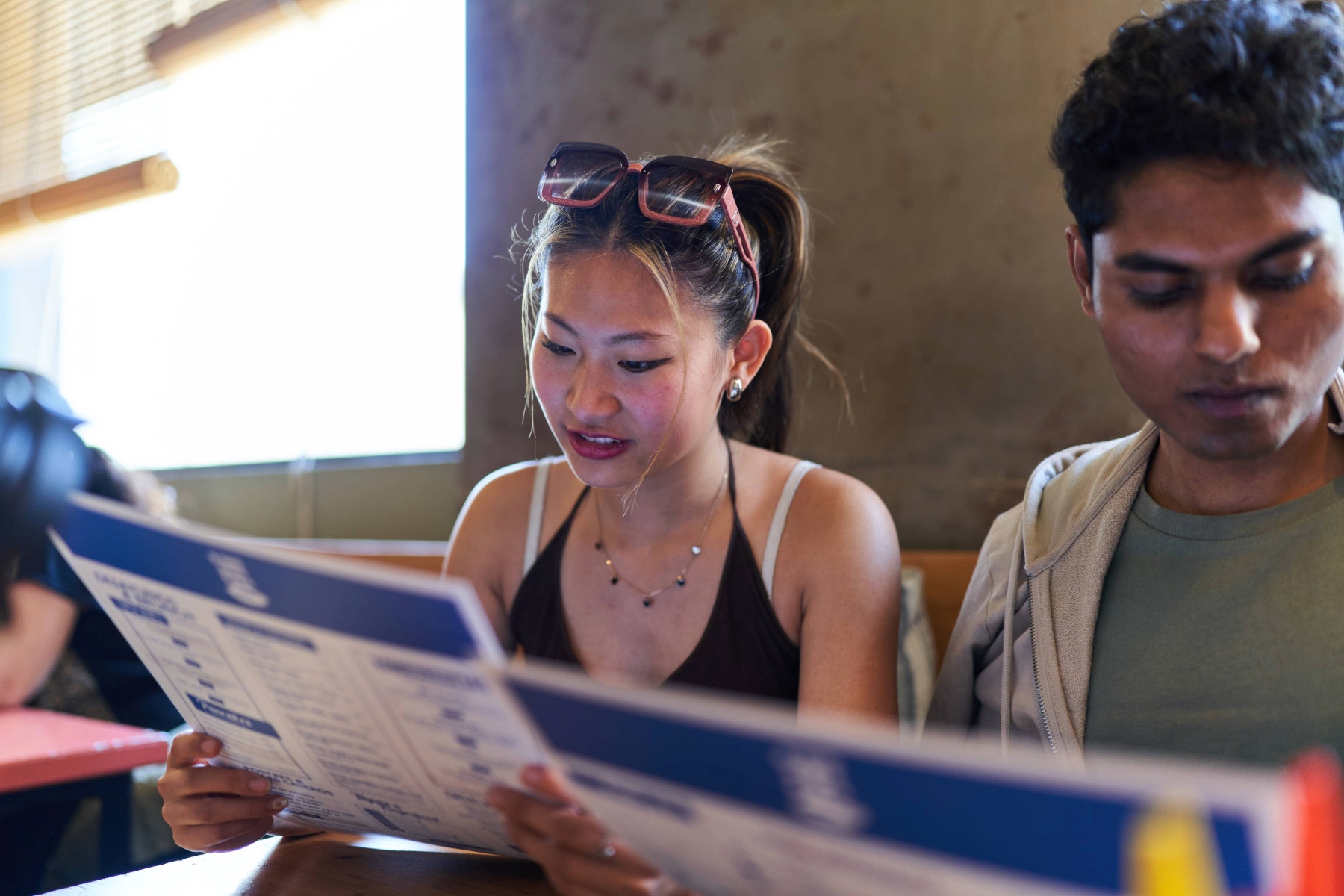
“Don’t go for the predictable thing,” Lomax says. “Take a different route to work, choose a film you wouldn’t normally watch, be spontaneous picking off a menu.”
“Some people find this really unpleasant and uncomfortable, but practising things you’re uncomfortable with can be really effective.”
By increasing your tolerance for the unexpected, you build a kind of resilience against life’s unwanted surprises. It’s also a useful, indirect way of beating anxiety, says Lomax.
“We’ve just run some groups with patients who’ve all met clinical levels of anxiety and we haven’t talked at all about their anxiety problems. We just said to them, let’s try some different things in your everyday life.”
“For quite a lot of them, their anxiety has dropped, even though we haven’t done anything about their actual anxiety.”
5. Talk to yourself... in the third person
Talking to yourself doesn’t, on the surface, seem the most reliable route to sanity, but that voice in your head can be persuasive – and duplicitous too.
When we’re anxious, it’s the ultimate unreliable narrator, telling us that we’re on a collision course with catastrophe when we’re not.
“Overestimation of threat is a big issue with anxiety,” says Lomax.
“We see the world as more dangerous than it really is. With panic attacks, for example, we misinterpret things going on in our bodies – thinking ‘I’m having a heart attack, I can’t breathe, I’m choking.’”
“It can also happen in social settings. If it’s speaking in public, some people think ‘I’m an impostor, I don’t know what I’m talking about, I’m going to burst into tears.’”
We all need a healthier form of self-talk, one that changes our perception of the things that make us feel anxious.
Try what’s known as ‘distanced self-talk’. This is when you use that inner voice to coach yourself through a problem and replace anxious thoughts with a sense of calm.
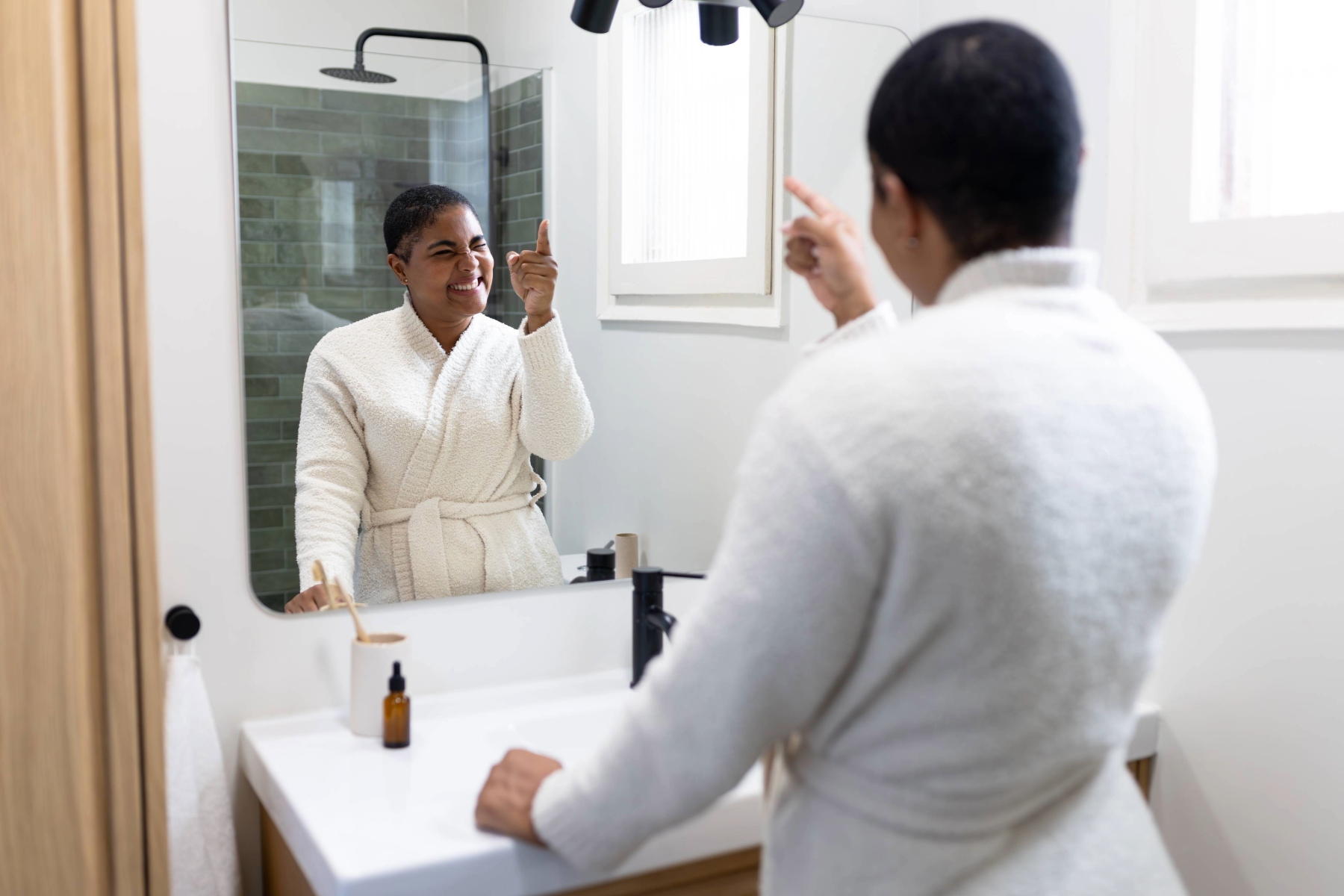
This lets you challenge intrusive thoughts and irrational anxieties, and engage the logical part of your brain before it spirals and starts seeing catastrophes everywhere.
Kross has published multiple papers on distanced self-talk.
“What we find happens is that this puts us into a kind of inner coaching mode,” he says. “It makes it a lot easier for us to give ourselves wise, objective advice for how to handle our circumstances.”
"Why does this work? Well, we’re much better at giving advice to other people than we are at giving advice to ourselves.”
“It’s like a little switch in your mind that puts you into that talking-to-someone-else mode, and it just makes it easier for us to counsel ourselves as a result.”
Read more:
- 5 surprising perimenopause signs most people miss, according to a doctor
- This surprising factor could reveal how compatible you and your partner really are, says science
6. Rethink what anxiety is
Anxiety sometimes feels like there’s something faulty with the way you think. But that’s just one of the ways it hoodwinks you.
Reasserting control over the way you think is one of the best ways to block out anxious thoughts in the first place.
First, reappraise anxiety itself. “As a part and parcel of everyday life, there’s nothing wrong with experiencing anxiety. It’s a normal part of the human experience and it’s a tool,” says Kross.
“We experience anxiety when there’s something important that we need to attend to. We have this system inside us, this response, saying, ‘Hey, let’s focus in on this task or this issue and decide how to deal with it.’”
When you view anxiety as something potentially useful, it loses its power to become something terrible.
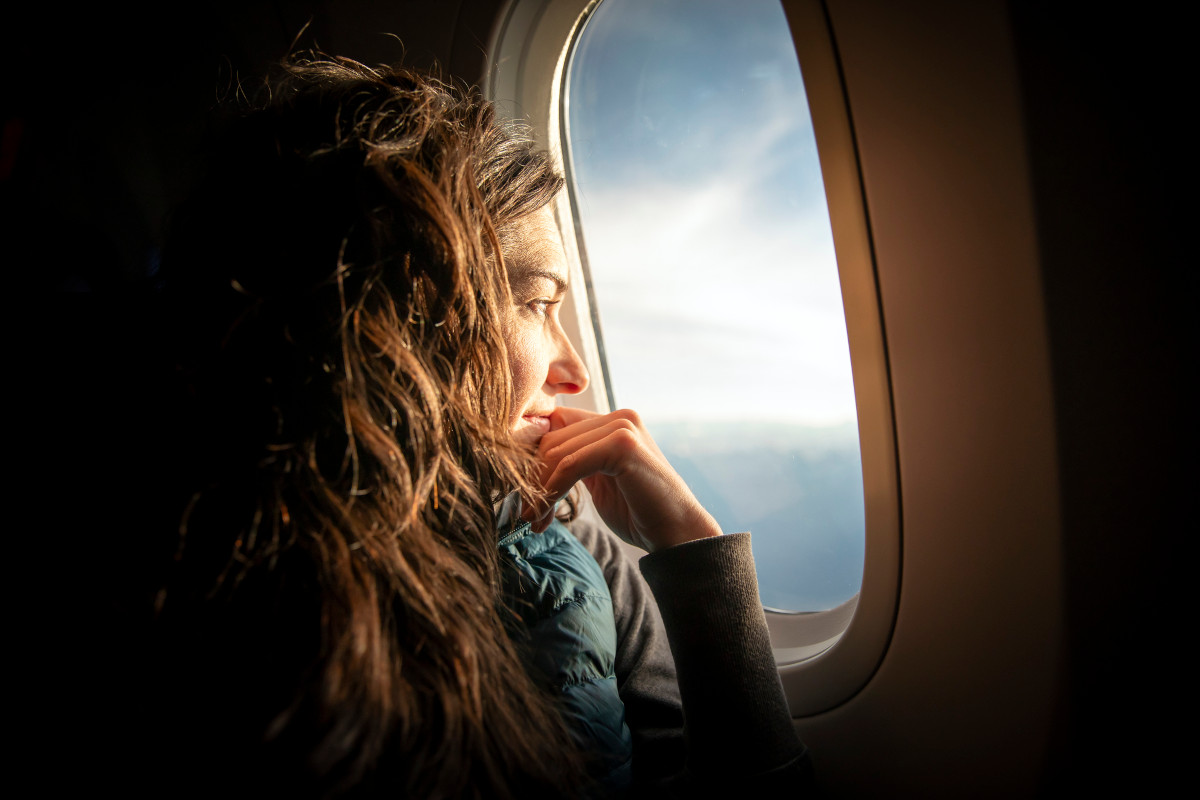
A common example, which shows the effectiveness of reframing, is to imagine stress or fear as excitement.
Let’s say you’re worried about giving a speech or getting on a plane.
When you feel the adrenaline begin to pump, tell yourself the heightened emotions that come with it are a sign that you’re excited about your holiday or how well that speech is going to go.
Nervousness and excitement feel roughly the same, physically. If you can flip your brain to thinking it’s actually a positive feeling, the sense of anxiety can vanish.
A similar tool that Kross uses is called mental time travel. If you’re apprehensive about an event or feeling stress in the moment, try to imagine how you’ll feel after it’s over – when the flight has landed or the speech is over.
Training your thoughts on the relief or pride you’ll feel after the fact can null anxiety in the short term.
7. Get some 'rest and digest'
Everyone calls it mental health, but anyone with experience of chronic anxiety knows that it’s not just in your head.
Anxiety can be a full-body workout: your adrenaline surges, your heart races and there are other symptoms associated with the body’s fight-or-flight response, too.
That’s why one of the best ways to combat anxiety, both in the moment and in advance, is to engage the antimatter of fight-or-flight: your body’s rest-and-digest system.
Otherwise known as the parasympathetic nervous system, think of it as a brake pedal for anxiety. When engaged, it slows your heart rate and regulates your mood.
So how do you train this system? Well, unsurprisingly, it’s associated with things we find relaxing.
Studies show that massage therapy, meditation, yoga and spending time in nature are all effective ways to reduce stress and symptoms of anxiety.
Breathing exercises can also work, even if it sometimes sounds like woo-woo.
A 2023 meta-analysis of studies into breathwork and stress reduction found that, despite our collective scepticism, it really does reduce feelings of anxiety – and fast.
One of the simplest ways to practise is called physiological or cyclic sighing.
Take a deep breath in, filling your lungs as much as possible. At the end, take an extra sip of air to top up the breath, then release it slowly and repeat for a few minutes.
With every breath, you should feel your anxiety exhaled away.
Read more: