As someone with a colourful history of anxiety disorders, including spells of debilitating panic attacks, I'm somewhat sceptical whenever there's a headline suggesting a new approach to overcoming the issue.
I've tried them all, doc; precious few actually move the needle.
Nutritional approaches are particularly suspect if you ask me. It’s not that eating your way to better mental health is all that fanciful. What’s difficult is proving it.
Linking a specific diet or nutrient to reduced anxiety is extremely complicated, because how do you design a study that zeroes in on cause and effect when there’s so much background noise in a person’s diet, lifestyle or genetics?
I said I’m a sceptic and that’s true. But when it comes to anxiety, I’m also game for trying anything that’ll lower the volume of symptoms that too often get in the way of everyday living.
Which brings me to a paper by researchers at the University of California, Davis, in the US, published at the end of 2025.
The meta-analysis combined data from 25 studies that all used a technology called proton magnetic resonance spectroscopy. It’s a method that’s sometimes described as an MRI scan that measures chemistry instead of anatomy.
In this case, the researchers found something significant: the first consistent neurochemical pattern for anxiety disorders discovered across multiple datasets.
Specifically, they found that people with anxiety disorders have levels of choline that are eight per cent lower on average compared to the healthy population.
Choline is an essential nutrient that helps build and maintain the membranes surrounding brain cells.
It’s fundamentally important to healthy brain function. And though an eight per cent difference might not sound like much, it’s significant within the delicate chemical ecosystem of the brain, the researchers say.
Although most choline is locked into these cell membranes, a small, active pool is constantly being recycled as the brain remodels itself during learning – a process we know as neuroplasticity.
This may be where the link to anxiety lies, says Prof Richard Maddock, senior author of the study. “Recovery from anxiety disorder is mainly learning new ways to manage it,” he says.
“It’s a learning process – neuroplasticity – and learning, we know, requires remodelling cell membranes.”
In other words, Maddock’s working theory is that when the brain doesn’t have enough choline, the learning process involved in overcoming anxiety is hindered. It certainly chimes with my experience.
The anxious brain gets locked in patterns of negative thought that sometimes feel impossible to break.
Maddock is cautious to avoid overstating the findings, though. “My study didn’t show that there’s a causal relationship,” he says.
“One of the other possibilities is that [lower choline] somehow helps people deal with their anxiety to lower their choline level – that it’s adaptive.”
Even so, there’s other evidence to consider.
“We know from animal studies that if you deprive them of choline in their diet… they don’t learn as well. And if you give them more, they learn better.”
If Maddock’s theory is right, it may – with a great deal more research, admittedly – lead to new forms of treatment for anxiety. Until then, dietary approaches could be worth investigation.
The majority of choline in our bodies comes from our diet and studies have shown that many of us do not get enough of it.
“I’m very comfortable saying to everyone, including people who suffer from panic attacks or social anxiety: make sure you’re getting enough choline in your diet,” Maddock says.
Everyday meats like chicken breast and diced pork are good sources of choline, although beef and chicken liver contain some of the highest concentrations.
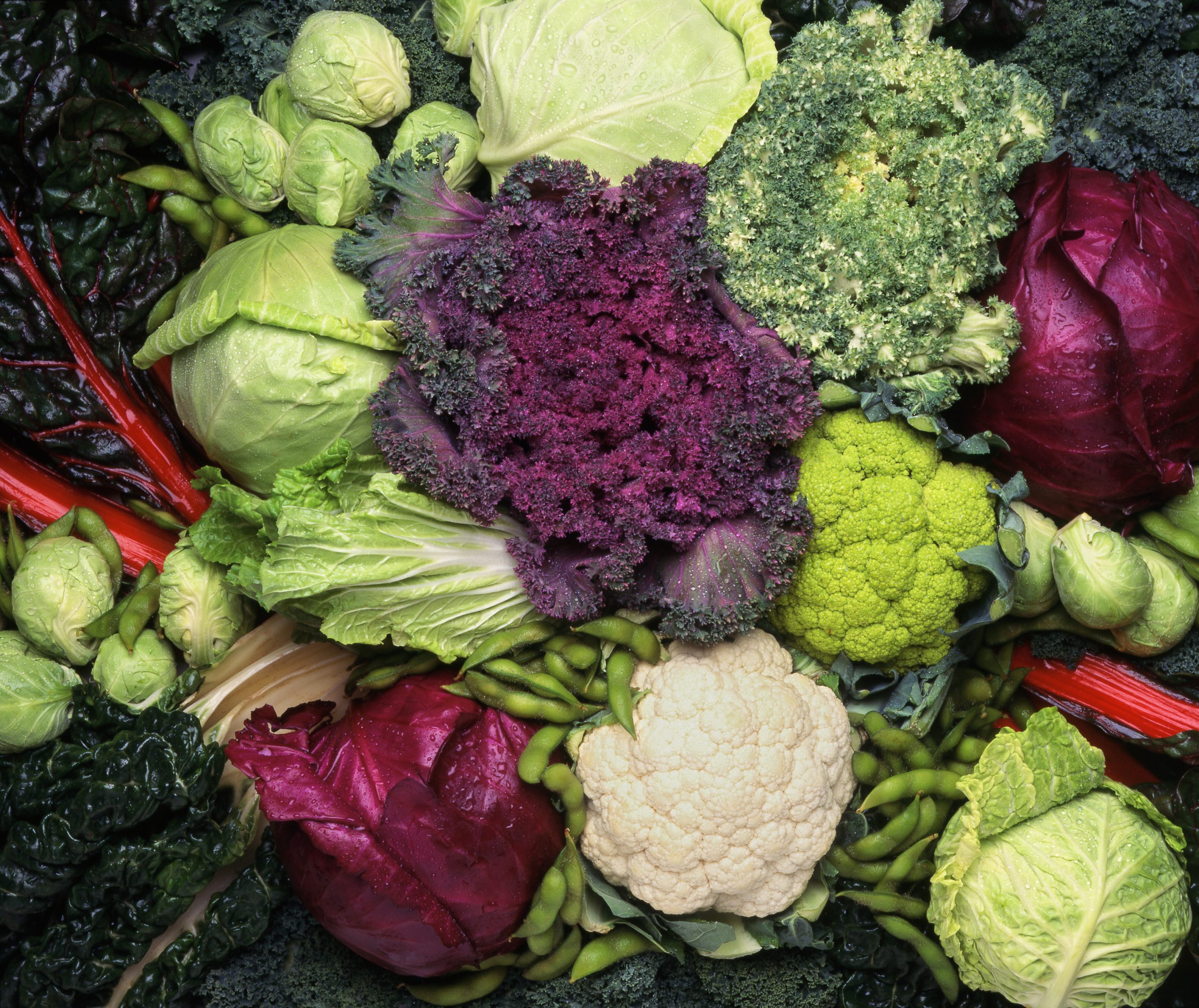
Eggs are another good source and, if you’re vegetarian or vegan, then tofu, soybeans, wheatgerm and cruciferous vegetables are good options.
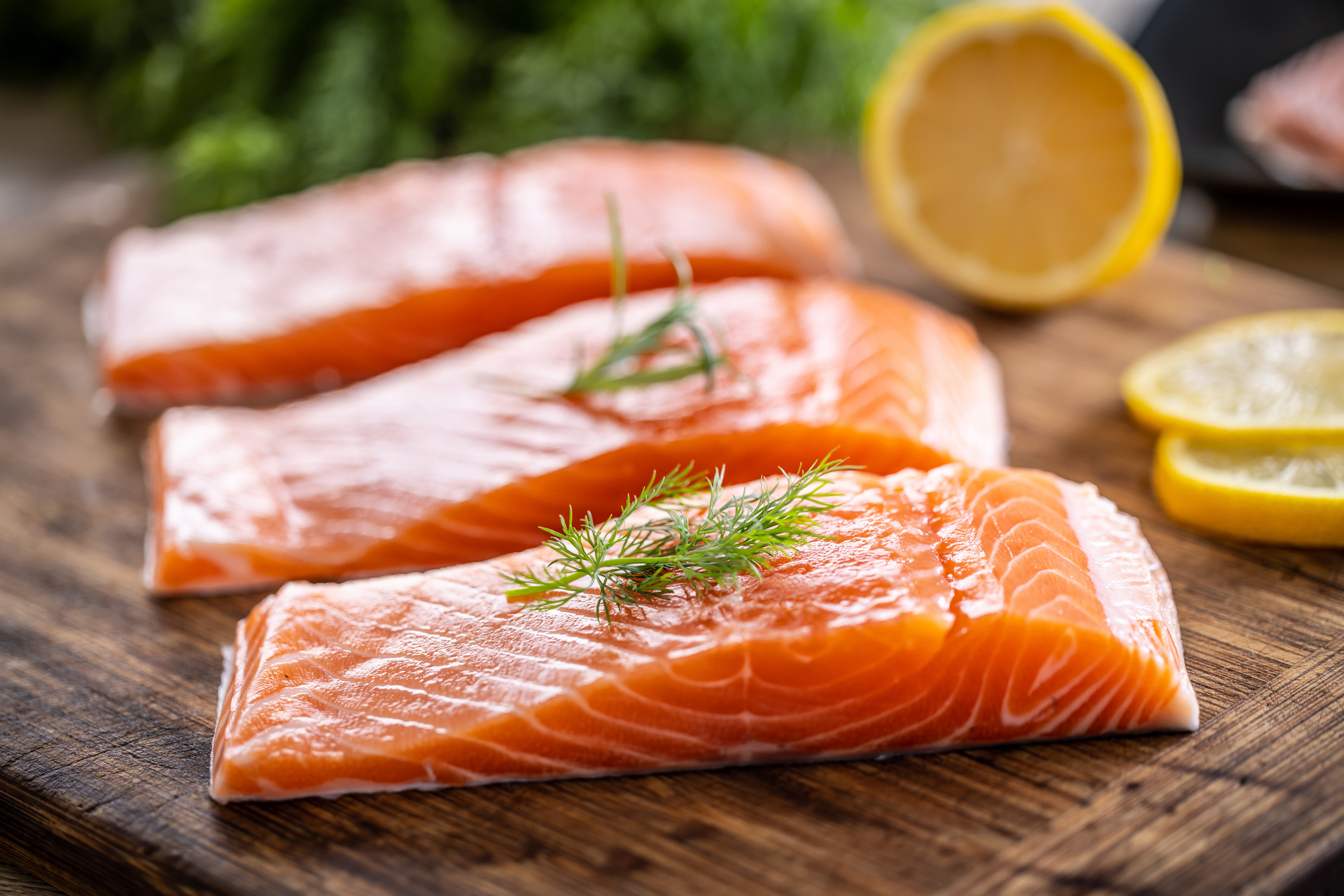
For a true anti-anxiety plate, pair these ingredients with sources of omega-3 fatty acids such as oily fish, nuts and seeds. “The evidence is reasonably strong that [omega-3] does help with anxiety,” Maddock says.
Anxiety disorders are the most prevalent mental illness globally, affecting more than 350 million people, according to the latest estimates.
Part of the reason Maddock’s finding with choline in the brain is significant is that the shortfall was consistent across multiple forms of anxiety.
For anyone who’s experienced anxiety, the promise of more research on the subject will be an appetising prospect.
Read more: