
The human heart is a remarkable organ. For your whole life, its chambers and valves work tirelessly to pump blood around your body.
But this effort takes a toll. As the years pass, your heart and blood vessels can become damaged, stiff or coated with fatty plaques – changes that can be deadly if left unchecked.
“As we age, we may notice reductions in our exercise capacity or, in vulnerable hearts, development of heart failure,” says Dr Nikki Stamp, a consultant cardiothoracic surgeon. “There is an increase in issues such as coronary artery disease and diseases of the heart valves as people get older.”
How can you prevent this from happening to you? It’s everything you’ve heard before: a healthy diet, sleep, exercise, no smoking and limited alcohol, as well as keeping your blood pressure and cholesterol levels in check.
According to Stamp, the best way to look after your heart is to keep up with these habits consistently. She says: “The more we lean into those basics and away from the noise, the better off we are likely to be.”
But what does that look like in practice? Well, there’s no one better to ask than cardiologists themselves. Here’s what heart doctors do to protect their own long-term heart health.
1. Running up flights of stairs during work breaks
The unfortunate truth is that life gets busy, and when it does, it’s all too easy to deprioritise your own wellbeing. That might mean cancelling a workout to ferry around family members, or skipping your lunchtime walk to eat lunch al desko while sending those emails.
When your calendar gets overcrowded, it can be difficult to fit in the 150 minutes of moderate activity that the World Health Organization (WHO) advises per week.
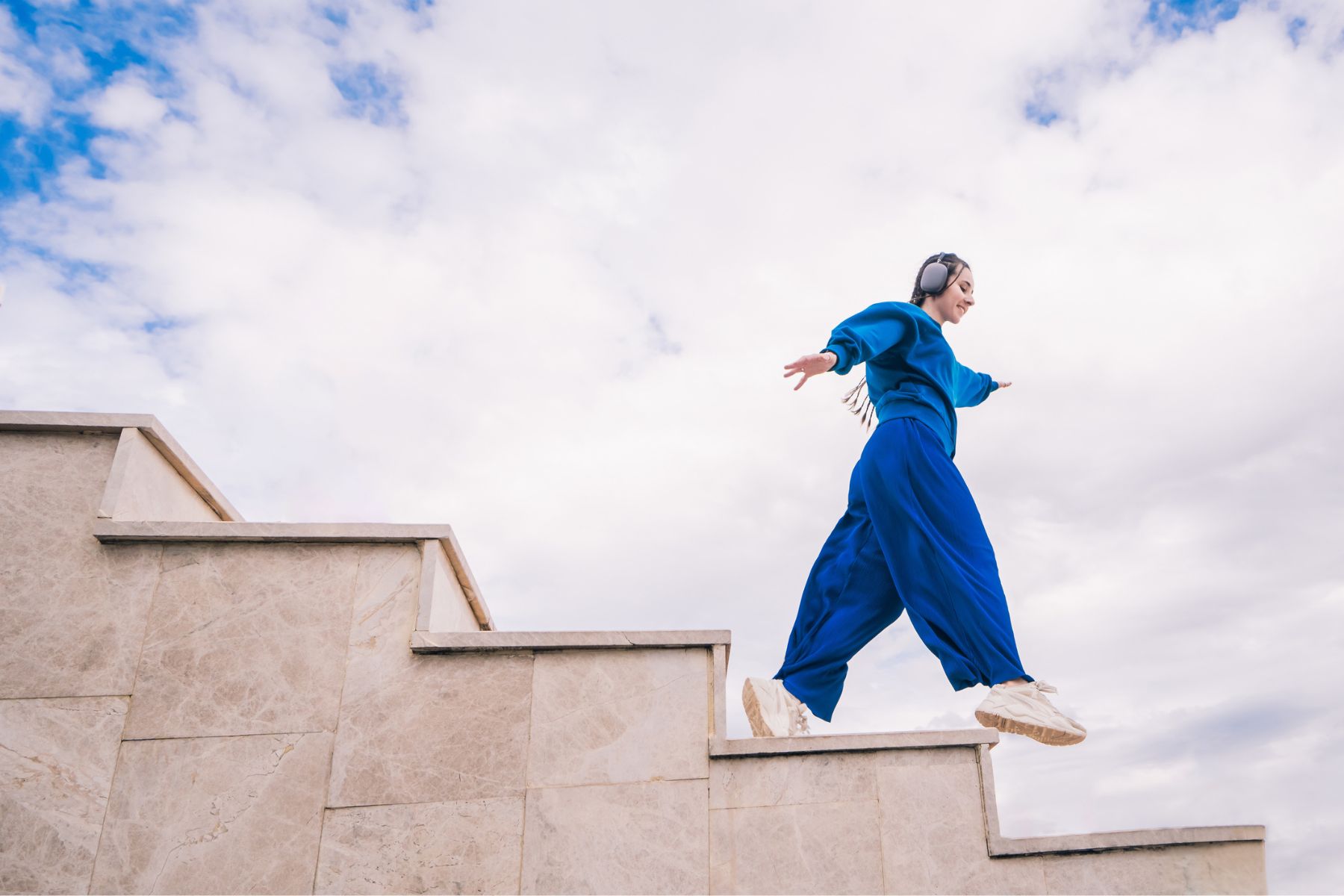
That’s where exercise snacks – short bursts of activity – can come in useful, says Dr Stephen Kopecky, author and preventive cardiologist at Mayo Clinic.
His snack of choice? Scaling stairs during work breaks. “I work on the fifth floor of an office building. Five floors below me is the breakroom for workers where they offer us beverages and fruit.”
Three or four times a day, he explains, Kopecky walks down the stairs to get a beverage and then runs back up.
“The running back up takes about 90 seconds,” he says. “By running, I mean stepping up three steps per second. The average step is seven inches [18cm] in height so this is a 21-inch [53cm] vertical lift every second which is fairly intense.
“This has actually been shown, when done on a regular basis, to improve cardiovascular fitness significantly and prolong life.”
If running isn’t possible for you, research shows that walking down stairs also has the potential to improve heart health. One study found that walking down stairs – rather than up – resulted in greater improvements in resting heart rate among overweight older women.
Of course, you needn’t bother with stairs at all if this isn’t a habit that would fit into your routine. The important point is to add in little bursts of movement wherever you can.
Read more:
- This is the single easiest and most effective exercise for weight loss, say doctors
- 8 surprising habits that are adding years to your biological age
- What your calf muscles can reveal about your heart health
2. Playing classical music in the background
Modern life is stressful for many of us. But research shows that this pressure – at work, in your relationships, and as a result of loneliness or trauma – can significantly raise your risk of heart disease.
Most of the time, we can’t just cut these stresses out, but we can introduce strategies to reduce their impact.
Some of them you’re probably familiar with, like physical activity, sleep and social interaction. But Kopecky also turns to music.
“I have found that playing background classical music in my office throughout the day helps relieve stress,” he says.
Some studies suggest that classical music can benefit the cardiovascular system. This might be because it activates the parasympathetic nervous system – known as the body’s rest-and-digest mode – which lowers heart rate, slows breathing and puts us into a state of relaxation.
That said, we’re all different. If classical music isn’t your cup of tea, there are countless other ways to destress, from deep breathing to having a good laugh.
3. Playing tennis
Tennis is one of the most popular sports in the world. Every year, around 106 million people pick up a racket and prepare to serve – a number that seems to be increasing. And it can be fantastic for your wellbeing.
“Tennis has been called ‘the healthiest sport’ because it includes social interaction with high-intensity interval physical activity,” says Kopecky.
In 2018, a study looked into how playing different sports influenced life expectancy. While most physical activity seemed to have some positive impact, tennis came out on top, with players living a whopping 9.7 years longer than people who didn’t play any sport at all.
In second and third place were badminton (6.2 years) and football (4.7 years) respectively – which, like tennis, are group activities. They not only get you moving, but socialising, which is also good for your heart.
“My wife and I socialise every evening; we talk about our day and reconnect, which I have found to be very helpful,” says Kopecky.

If you aren’t into tennis, that’s okay. According to Stamp, the best activity for long-term heart health is the one you’re going to do consistently.
“For me, this means choosing an activity that I feel I can improve in, that has a social aspect so I can feel connected to others, and that I’m choosing for myself because I really want to do it,” she says.
4. Following a low-salt diet
You may already know that eating too much salt can be bad for your heart. For Dr Amy Pollak, a cardiologist and director of the Women’s Heart Clinic at Mayo Clinic, this fact guides what she eats every day.
“I actively work to follow a low-salt diet,” she says, with the caveat: “unless I’ve had a strenuous workout in the Florida heat.”
Pollak adds: “A low-sodium diet, especially as we age, is important for controlling blood pressure in many individuals.”
In practice, that means not over-seasoning your meals, as well as limiting foods that might already be high in salt, such as processed and cured meats, ready meals, condiments, snacks and cheese.
You don’t need to cut these foods out entirely. Most dietitians will tell you that moderation is key, and that eating a nutrient-dense diet – full of protein, fibre, whole grains, vegetables, fats, vitamins and minerals – is best for optimal health.
5. Sleeping for (roughly) eight hours each night
When it comes to long-term health, there are few things more vital than getting a decent night’s sleep. “It’s extremely important for brain and heart health and longevity,” says Kopecky.
When we sleep, our bodies recover not only mentally but physically too, dropping our heart rate and blood pressure.
A review that followed patients over nine years found that those suffering from insomnia were 69 per cent more likely to have a heart attack, and were more likely to have high blood pressure or cholesterol.

Getting too much sleep may also be a problem. One study, published in 2025, found a link between sleeping for nine or more hours per night and poorer cognitive skills such as memory and executive function, particularly among adults with symptoms of depression.
Experts agree that the exact amount of sleep someone needs can vary from person to person, but that somewhere between seven and nine hours is ideal.
“Science shows that eight hours a day is the sweet spot,” says Kopecky. “No more, no less.”
6. Not sitting for more than 20–30 minutes at a time
If you have an office job, the chances are you spend most of your life sitting down. In doing so, you could be dramatically increasing your risk of an early death.
Spending hours at a time in our seats can slow down our metabolism, which affects how well our bodies can regulate blood pressure and sugar.
Dr Regis Fernandes, a cardiologist at Mayo Clinic, has a simple solution.
“I do not sit for more than 20–30 minutes at a time,” he says. “I stand up or walk for a few minutes before sitting again.”
Science supports his strategy, showing that frequent fidgeting may improve your chances of a longer lifespan.
You could consider setting regular alarms that remind you to get up and move around, or investing in a standing desk to spend even more time on your feet.
However you choose to do it, adding movement, sleep, healthy food and relaxation into your routine is bound to benefit your heart.
Read more:
