
Have you ever felt like your body’s older than you are? Well, it turns out there’s real science behind feeling physically older than you really are (or, if you’re lucky, the other way round).
That’s because we each actually have two ages: our chronological age is dictated by our birthdays, whereas biological age refers to the state of our bodies, right down to our cellular health.
Your biological age is not only the best predictor of your lifespan but also your ‘healthspan’ – the amount of your life that you can expect to enjoy in good health.
And, surprisingly, genetics only play a minor role in setting your biological age – one study estimates only 15–20 per cent of variation in longevity is due to genetics.
What this means is our lifespan is mostly dictated by lifestyle and environment. As research by Harvard Medical School showed in 2023, the great news is: it’s never too late to improve your biological age.
And while we’ve all heard that we need to exercise more, eat better and sleep well, there’s a good chance that stopping some of the things you’re doing could also have massive benefits.
Here are eight bad habits you may not have realised could be keeping you from living a longer – and healthier – life.
1. Ignoring strangers
If you take your earbuds out and interact with people around you, you might live longer.
That’s according to Dr Amir Levine, associate professor of psychology at Columbia University in the US, who says interacting with strangers is key to feeling connected and confident.
It also helps rewire our brains into a less anxious mindset, which is excellent for general health.
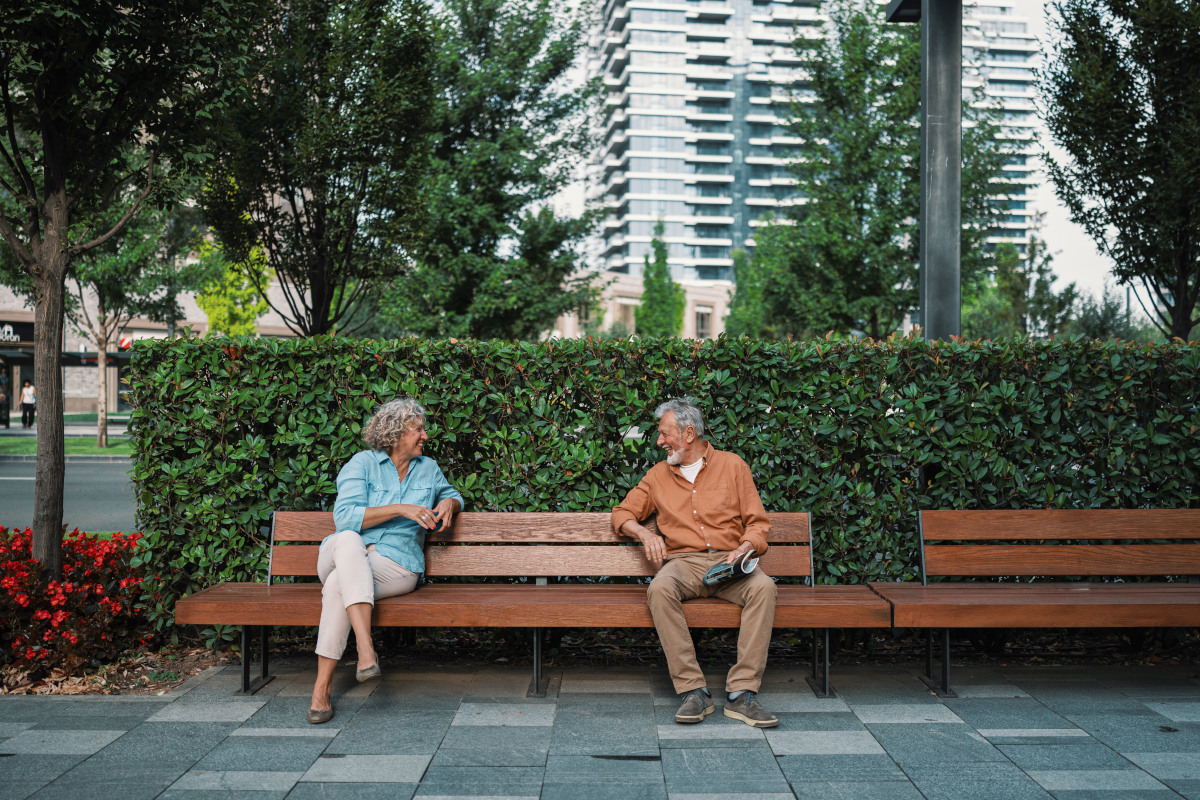
To put the benefits in perspective, Levine points out that though tech bros are spending millions of dollars on novel drugs, the science behind many new anti-ageing ‘cures’ is “weak” compared to the reams of evidence showing that feeling socially secure can add years to your life.
One meta-analysis with over 300,000 participants found that having social relationships cuts mortality by 50 per cent. “That’s crazy,” Levine says. “No amount of supplements and all these different peptides, nothing gets even close to that.”
The reason? We’re wired to seek out allies to survive, he says, which is why these small social interactions help us feel calm and connected.
“That’s how our brain is programmed to feel safe,” Levine says. “And when we feel safe, then the whole stress response goes down, which goes with inflammation.
There’s even a study from the 1990s where they infected people with a common cold virus,” he says, “and if they were more [socially] connected, they were less likely to develop symptoms.”
2. Being stuck in toxic relationships
So, being social is good for you. But do all relationships count towards boosting your longevity? Not quite. In fact, Levine’s next hack is to cut out problematic relationships – or at least to gracefully deprioritise them.
This can be easier said than done because we tend to pay more mental attention to stressful relationships, he says.
But if you want to lower your biological age, this is one bad habit worth breaking.
In February 2026, a study from the US found that negative social ties with people who add stress to our lives literally age both our minds and bodies.
According to the researchers, 30 per cent of us have ‘hasslers’ in our lives – people who create problems and generally make life more difficult.
Hasslers can cause chronic stress, which in turn breeds inflammation and makes it harder to make healthy lifestyle choices.
These relationships were even associated with a higher risk of multimorbidity (having at least two long-term health conditions).
If we have more than one hassler in our circles, the ill-effects are cumulative – with each one speeding up biological ageing by 1.5 per cent (adding around nine months to your age).
Read more:
3. Feeling old
It’s official: feeling old is not good for your health.
Dr Jean-Marc Lemaître, a researcher at the Institute of Regenerative Medicine and Biotherapy and author of Choose Your Age, says that feeling younger than your chronological age will help keep you biologically younger.
“The way we perceive ageing can influence our behaviour, our motivation, our social engagement and even our biological health,” he says.
“People who continue to project themselves into the future and remain active, curious and socially connected often maintain better resilience.”
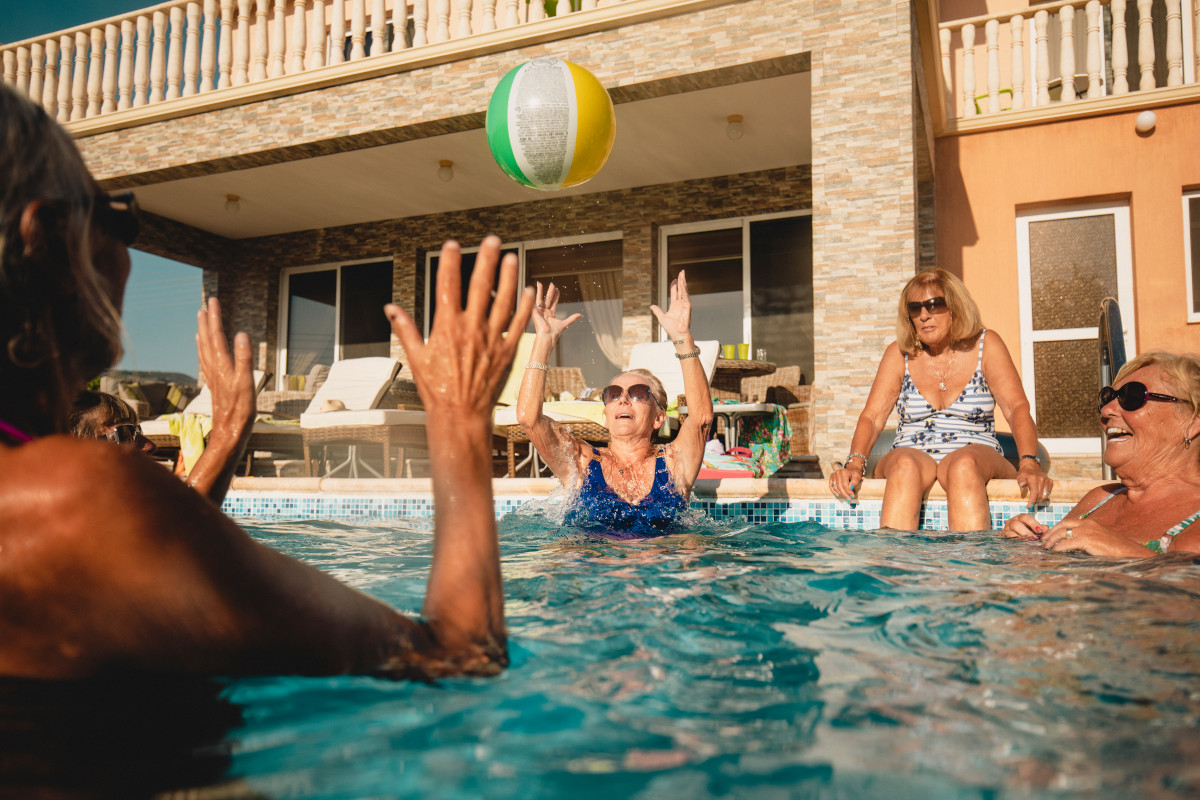
In 2022, research from Heidelberg University, in Germany, found associations between feeling younger, slower cognitive decline and lower mortality (measured by looking at 11 chronic diseases).
“Ageing is not only a matter of chronological age; it is also shaped by lifestyle, environment, mindset and the capacity of our cells and tissues to respond to stress,” Lemaître says.
“Feeling younger can encourage behaviours that help preserve healthspan.”
Practically speaking, this might mean denying yourself the indulgence of a groan when you get off the sofa. Instead, as movements like that start to feel harder, see it as a call to action to build strength.
Rather than reaching for a remote control or flicking through chairlift catalogues, join a local Pilates class or go for a swim.
4. Staying in
It might feel easier and cheaper after a long day’s work to flop in front of a screen, but going out and engaging with the arts could be as good for biological ageing as exercise.
That’s what a new study by University College London found this year.
“Arts engagement is increasingly recognised as a health-promoting behaviour that can have diverse effects,” says lead researcher and author of Art Cure, Prof Daisy Fancourt.
“These include reducing physiological markers of stress and inflammation to supporting cognition, emotion regulation and social connections, as well as helping people find meaning and purpose.”
The researchers measured age-related DNA changes and found that people who did an arts activity at least once a week seemed to age 4 per cent more slowly than people who rarely engaged with arts.
“This was the same as those who exercised at least once a week compared to those who did no exercise,” the researchers said.
A wide range of activities were included in the study: the ‘participatory arts’ like singing, dancing, painting, photography or crafting; ‘receptive arts’ such as attending art exhibitions and events; visiting heritage sites like historic parks and buildings; and other cultural activities like going to museums or libraries.
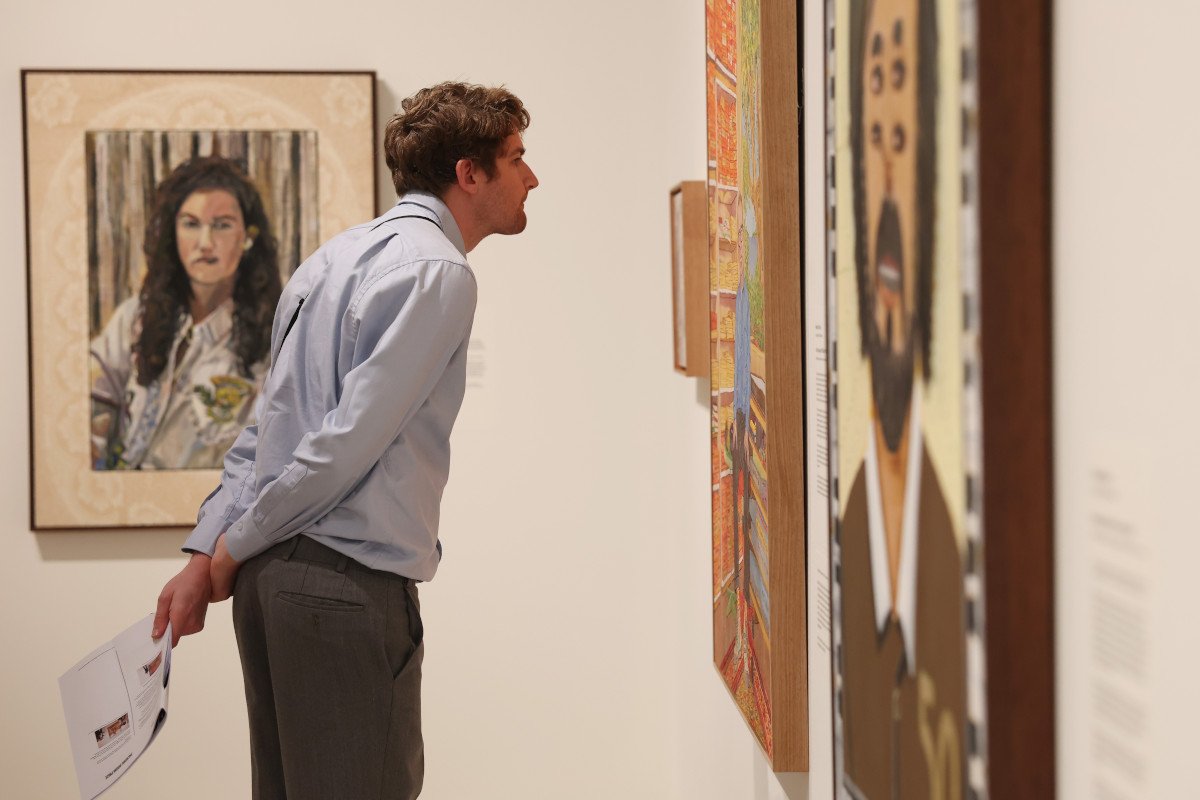
The greater the diversity of your engagement, the research suggests, the greater the effects on biological ageing.
5. Forgetting to floss
Gum disease is rife – around half of UK and US adults have either the milder form, a condition called gingivitis, or periodontitis, which is when inflammation makes teeth detach from the gums.
The latter is associated with significantly increased adverse systemic health outcomes and higher mortality, according to a 2025 study.
That’s because the inflammation (caused by bacteria feeding frenzies) doesn’t stop in the mouth.
The bacteria spread into the bloodstream, clogging arteries, changing blood consistency and increasing the risk of clots and stroke.
In fact, up to 90 per cent of people with cardiovascular disease also have gum disease.
Metabolic health is affected, too. A landmark 2025 study found that tackling a damaged or infected tooth with root canal treatment lowered blood sugar levels as well as cholesterol.
It’s such a strong relationship that diabetic people with gum disease have a mortality risk three times higher than those without it.
There are also links – though they’re not as well understood – with dementia, too. A small 2016 study from King’s College London found that gum disease was associated with a six-fold increase in the rate of cognitive decline over six months.
The research also found an increase in conditions that promote inflammation, which leaves us more vulnerable to cancers, neurodegenerative and metabolic diseases and depression.
So, what can we do about this?
Beyond just brushing your teeth, it’s important to avoid sweet snacks (or snacking at all – more on this next) and drinking lots of alcohol or fruit juice.
And in case you needed reminding, don’t forget to floss.
Read more:
- This is the single best diet to help prevent dementia, according to a Harvard professor
- The surprising truth about which exercise actually slows ageing
6. Eating between meals
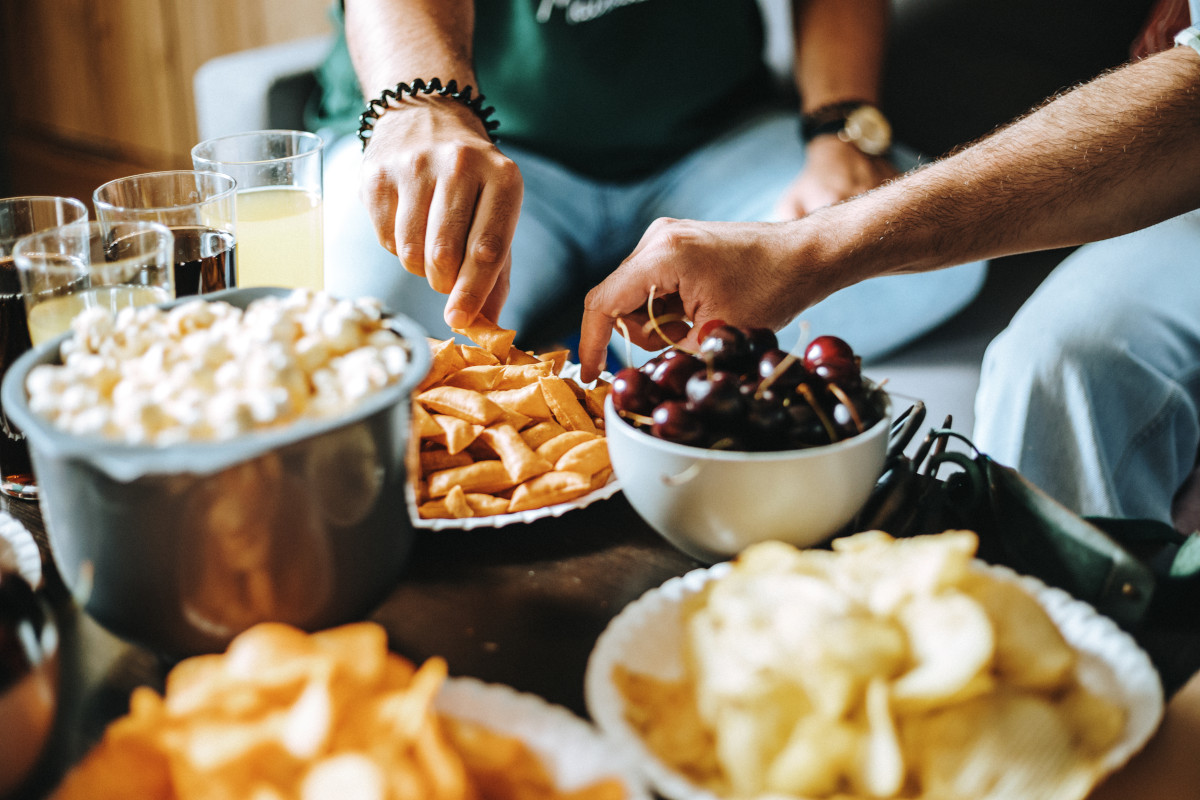
That packet of sweets may take you back to your childhood, but it’s actually staying away from the between-meal snacks (even those of a healthier variety) that will keep you young.
“The idea that you consume food more or less constantly, keeping your insulin levels high, is probably not the best for your health,” says Dr Sebastian Grönke at the Max Planck Institute for the Biology of Ageing, in Germany.
“It’s better if you eat less often in general.”
The benefits of fasting to longevity is a topic that’s still very much up for discussion. But experts like Grönke argue that having periods of not eating anything is important as it can improve blood sugar and reduce blood pressure.
Letting our tummies stay empty sometimes mimics the hunter-gatherer conditions under which they evolved, and is good for the gut.
When we’re not eating or digesting, our stomachs switch into housekeeping mode and a process called the migrating motor complex kicks in.
This 90 to 120 minute cycle of coordinated contractions sweeps the gastrointestinal tract for indigestible food remnants and dead cells.
It also ushers bacteria back from the small intestine (where it can cause overgrowths known as Small Intestinal Bacterial Overgrowth, or SIBO) to the colon.
We know that the microbial balance in the gut (as well as a healthy gut lining) governs the immune system and so much else in the body.
Studies have found fasting has increased gut microbe diversity (a good thing), and the presence of beneficial bacteria such as Lachnospiraceae, which are associated with a lower risk of cancer and inflammatory bowel disease, and better heart and mental health.
Prevotellaceae and Bacteroidetes, which are associated with lower risks of obesity and improved metabolic health, also see a boost.
What’s more, snacking less will help with your oral health – dentists will be the first to tell you that eating throughout the day increases bacterial attacks on teeth and gums.
7. Standing on both legs
Obviously it’s more practical to use both legs simultaneously most of the time, but as we age we should be regularly practising balancing on one at a time.
A study published in the British Journal of Sports Medicine in 2021 found that people who couldn’t balance on one leg for 10 seconds had an 84 per cent higher risk of death from any cause in the next decade.
“Having great balance is essential for healthy ageing,” says Morten Scheibye-Knudsen, an associate professor who studies cellular ageing at the University of Copenhagen, in Denmark.
“Falls and recovery periods lead to frailty – breaking a hip when you’re old carries the same risk as a cancer diagnosis. So, stand on one leg as often as possible for as long as possible.”
Recovering from falls often increases frailty, with hospital stays and operations causing systemic stress and inflammation, which in turn speeds up biological ageing.
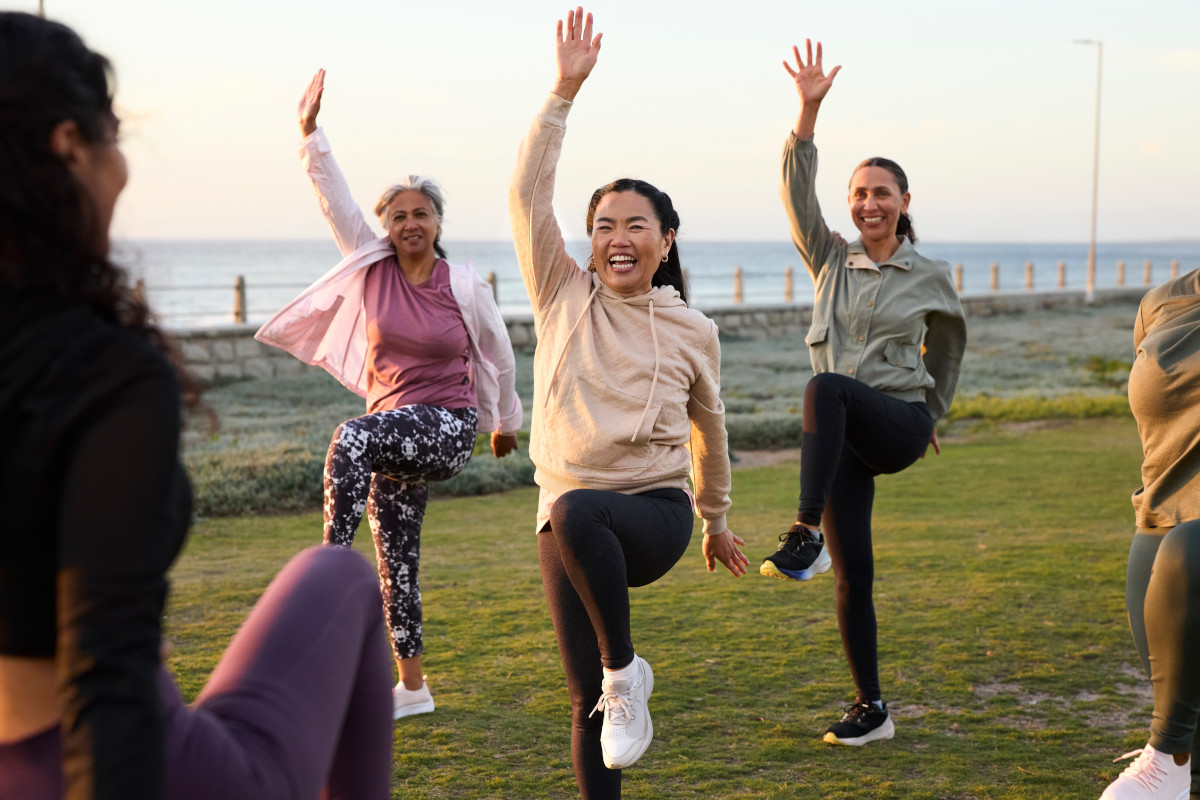
A common recommendation to building balancing practice into your daily routine is to stand on one leg while brushing your teeth.
That said, it could interfere with your new programme of good oral health; Scheibye-Knudsen was admonished by a Danish dentist for making this suggestion as the dentist was concerned that older people may struggle to balance and brush their teeth properly at the same time.
Balancing while waiting for your kettle to boil for tea would make more sense, Scheibye-Knudsen now says. And while you’re at it, why not make a coffee…
8. Giving up caffeine
Sure, cut down on caffeine if it’s affecting your sleep, but otherwise drink plenty of it, says Scheibye-Knudsen.
“We’ve known for many years that coffee is really healthy,” he says, “but there was a recent study showing that black tea is actually also good for reducing risk of Alzheimer’s disease.”
One study, published in the journal Nature Translational Psychiatry in 2022, found that drinking one to six cups of tea a day correlated to a 16–19 per cent lower risk of Alzheimer’s disease and a 25–29 per cent lower risk of vascular dementia.
Coffee, says Scheibye-Knudsen, “is really good. It’s one of the only things that we eat or drink out of pleasure where there’s great data showing that it reduces your risk of almost all age-associated diseases, and part of that is caffeine.”
While we don’t know exactly why these drinks are health promoting, the theory is that along with caffeine itself, antioxidant polyphenols, which are found in fruits, vegetables, tea, coffee and dark chocolate, tackle inflammation and so are partly responsible for the benefits.
So how much is enough? When it comes to coffee, Scheibye-Knudsen says, four to five cups seem to be optimal for longer and healthier lifespans.
Read more:
