Since the first time a Homo sapiens hit his enemy over the skull with a wooden club, humans have searched for new and inventive ways to dispatch their foes.
Take the drone pictured above. It’s a modified version of a real type of eight-rotor drone known as an ‘octocopter’. Cuddly by name, but potentially deadly in practice, armed versions have been developed by organisations including Ukraine’s Aerorozvidka to carry and drop explosives on targets below.
But if that sounds like a bizarre glimpse of warfare’s future, the past was every bit as strange. History is littered with weapons that were ingenious, outlandish and, occasionally, completely unhinged. Here are nine of the weirdest military inventions ever devised.
1) Tank dogs
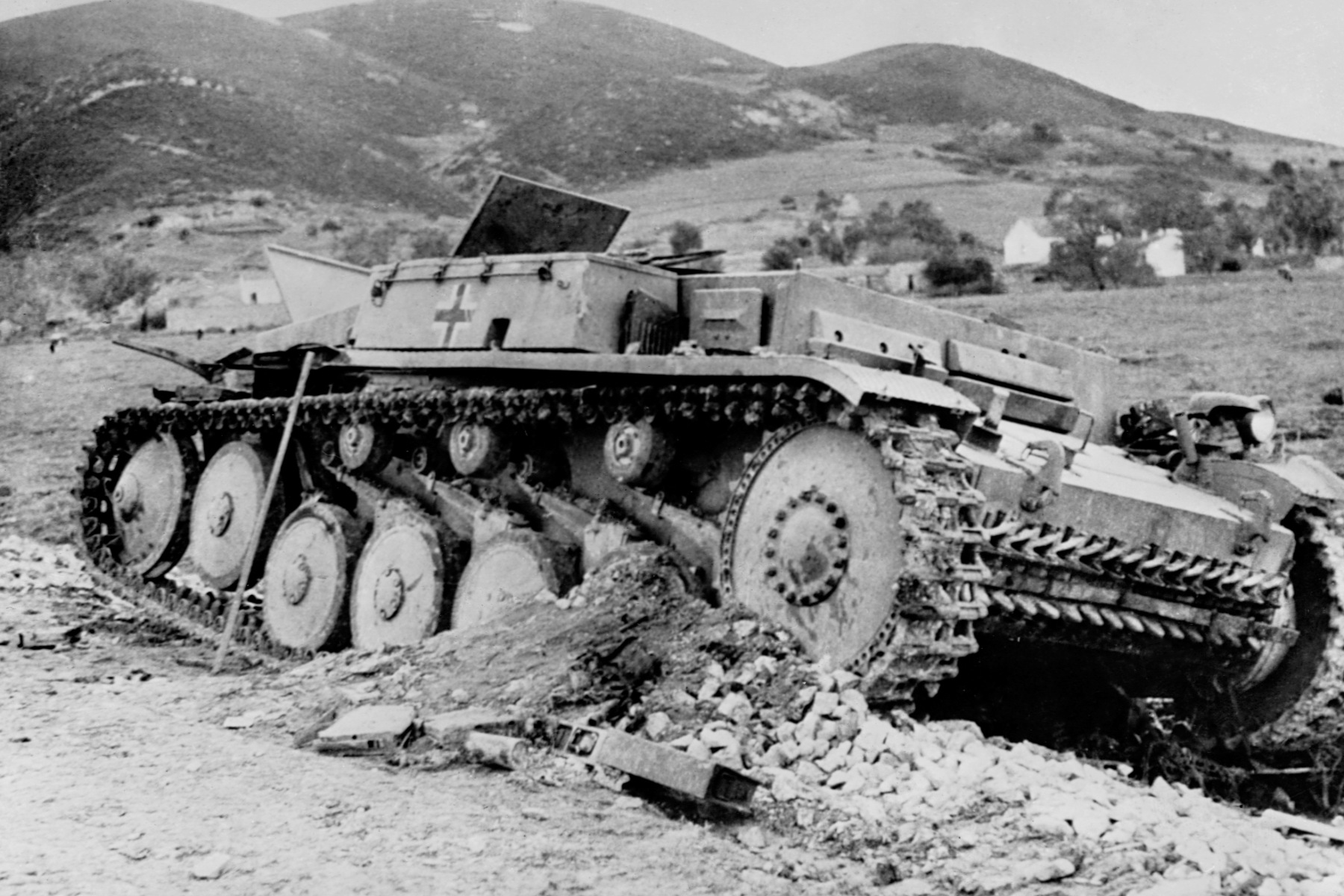
In 1941, the Soviet Union was desperate. Hitler’s Wehrmacht had just invaded, destroying the country’s air force on the ground and wiping out entire armies in massive encirclements, spearheaded by Germany’s battle-hardened Panzer divisions.
The Soviets needed a way of neutralising Nazi tanks, fast. One officer made a shockingly cruel suggestion. Why not use dogs?
Dogs are fast runners and are difficult to aim at when they’re charging across a battlefield. The Soviets strapped the unfortunate animals with high explosives, then trained them to run towards German Mark IV panzers in the hope they could take out dozens of the lumbering vehicles at a time.
But when the Soviet Army released the doomed hounds, the military canines ran straight back toward their own tanks and blew them up instead.
The problem? The Soviet Union had trained the dogs to recognise diesel tanks when the German versions ran on petrol. Not to mention the loud noises during the firefights terrified the animals, and they ran away scared back to their handlers.
Needless to say, the idea was quietly shelved, saving many more dogs from such a cruel fate.
2) Greek Fire
The Byzantines are thought of today as either the medieval period’s most underappreciated civilisation, or the Roman Empire’s disappointing final chapter.
Whatever your thoughts, however, we can all agree how weird it was that this hyper-religious empire loved to spew the medieval version of napalm all over their enemies.
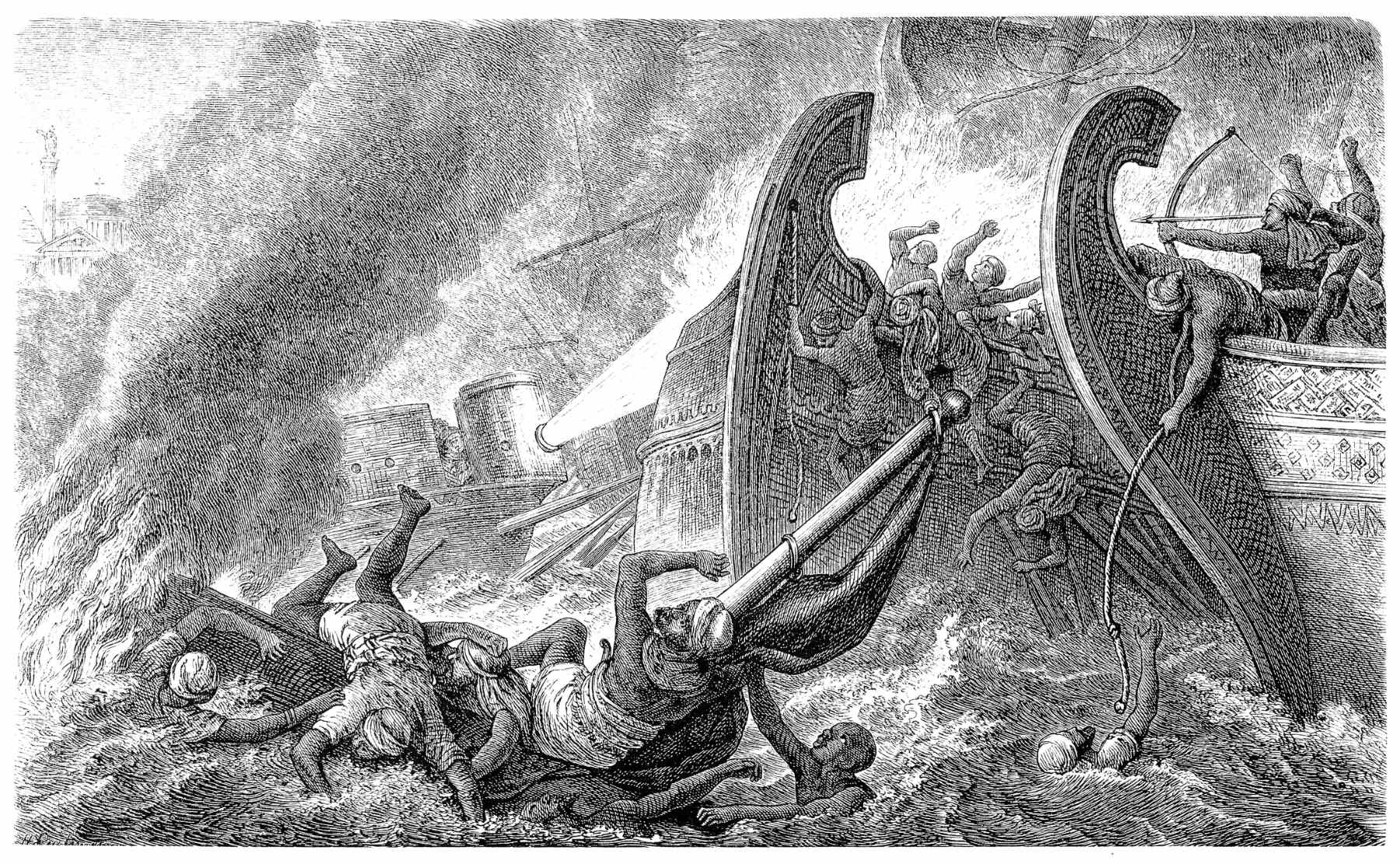
Known as ‘Greek Fire’ or naphtha, this propellant – which sources describe as being mostly launched from ships – succeeded in transforming most enemy fleets into burning forests of masts and sails.
Unfortunately for the Byzantines’ enemies, the recipe for this proto-napalm remained a closely guarded secret; so much so, in fact, that historians still don’t know how they actually managed to come up with such an unusual weapon of war for the period.
Read more:
- The 9 weirdest (and most secretive) futuristic weapons
- The genius stealth inventions making people, planes and cities invisible
- The top 10 fastest jets in the world 2025
3) Nuclear Chickens
The 1950s were a stressful time for NATO military planners. Tasked with preparing Western Europe for a massive Communist invasion, these officers placed a premium on the use of thermonuclear weapons that could be used to annihilate the hundreds of thousands of infantry and tanks.
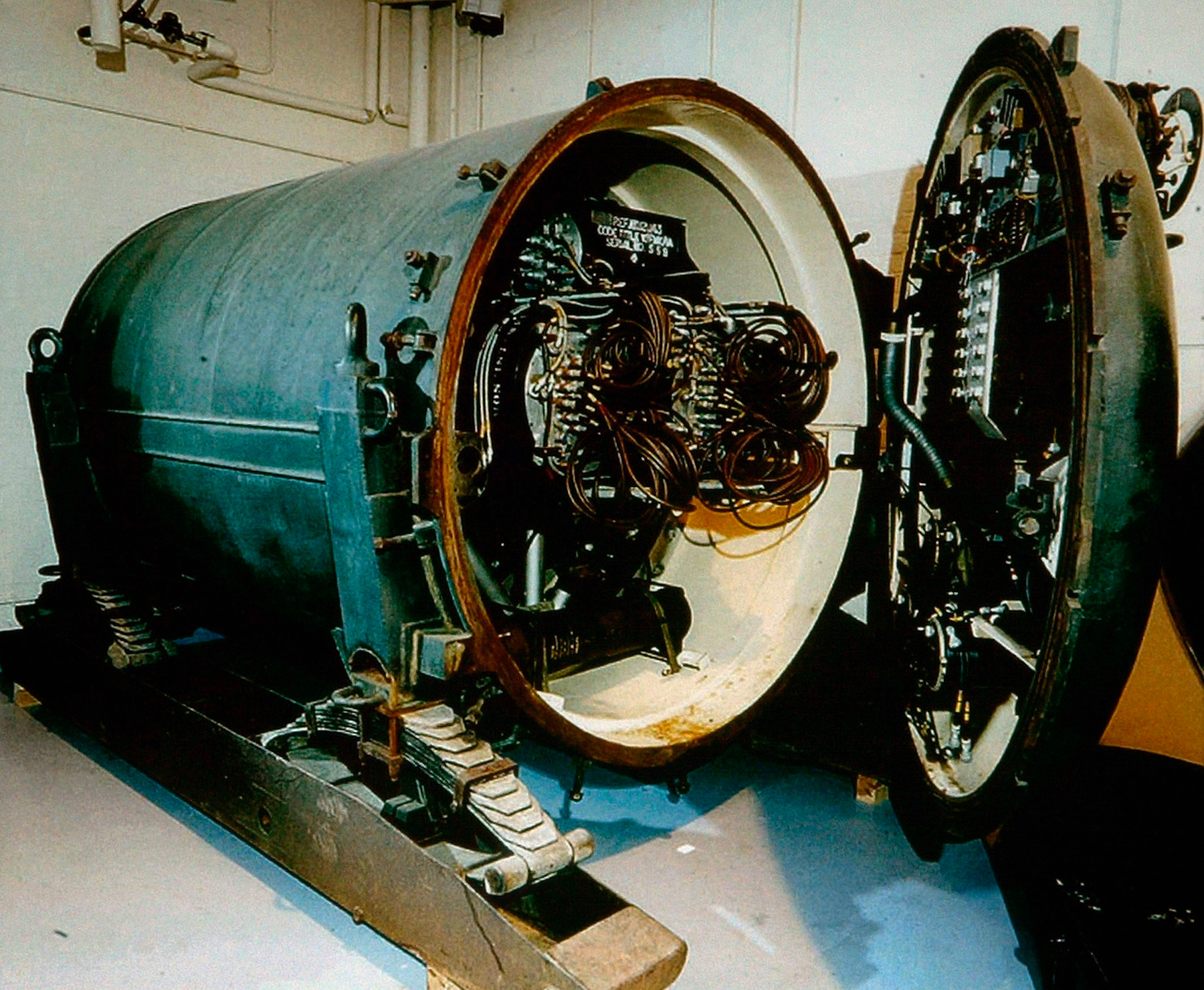
At the time, atomic warheads could be launched by missiles or dropped by bombers, but they could also be buried in the ground as mines. In 1957, the UK’s Ministry of Defence ordered ten of the latter, each with a yield of 10 kilotons, for use in West Germany. Named ‘Blue Peacock’, planners quickly discovered a problem: the circuitry would get too cold to work after a couple of days of the mine being buried.
A bright spark in the MoD – whose name is, thankfully, lost to history – quickly devised a workaround: sticking a chicken inside the bomb. The bomb’s bird-brained warden could keep the wires warm for a week until the Russians appeared over the horizon and the device could be detonated remotely.
Fortunately, the pitch remained just that – though the weapons were ordered, the project was deemed so unethical and bizarre that it was cancelled, sparing the poor chickens.
4) The vomit gun
There are multiple ways one might incapacitate someone without killing them. In 2007, an obscure military contractor named Invocon decided that making people vomit was another perfectly reasonable method.
Known colloquially as the ‘vomit gun,’ it pitched a weapon to the US Navy that would beam focused radio waves at an individual or crowd that was capable of interfering with the inner ear, disrupting their sense of physical equilibrium to induce nausea. “Second order effects,” the company said, “would be extreme motion sickness.”
It doesn’t appear that the US Army took Invocon up on its kind offer, but the interest in direct energy weapons seems to have persisted. Sonic weapons using sound or ultrasound are commonly used to incapacitate people, though this is usually due to them being high-powered enough to hurt people’s ears and even burst eardrums.

5) The gay bomb
Of course, in this discussion of the deadly and bizarre, it’s helpful to be reminded that most of us prefer to make love, not war. For a brief period in 1994, that appeared to be the official policy of the US Air Force too.
That year, researchers at one of its laboratories in Ohio were tasked with developing a weapon that would release enough air-dispersing sex pheromones among enemy combatants to induce them to put down their guns and grab each other instead.
Known informally (and rather tastelessly) as the ‘gay bomb,’ the device would never have worked. Though multiple animal species become aroused from each other’s pheromones, the evidence that this works on humans remains inconclusive.
6) The bat bomb
By day, Lytle Adams was a small-town dentist in Irwin, Pennsylvania. By night, he was an enthusiastic, if not entirely successful, inventor of new gadgets and gizmos.
In 1942, Adams had another idea: what if, instead of bombers dropping inert incendiary devices on enemy cities by night, they dropped bats instead? The one-ounce bombs would be attached by a string that the bats could bite through. The firebomb would then drop below to wreak havoc while the animals could fly away to safety.
The dentist pitched the idea to US President Franklin D. Roosevelt – who, bafflingly, ordered the US Army’s Chemical Warfare Service to build a prototype.
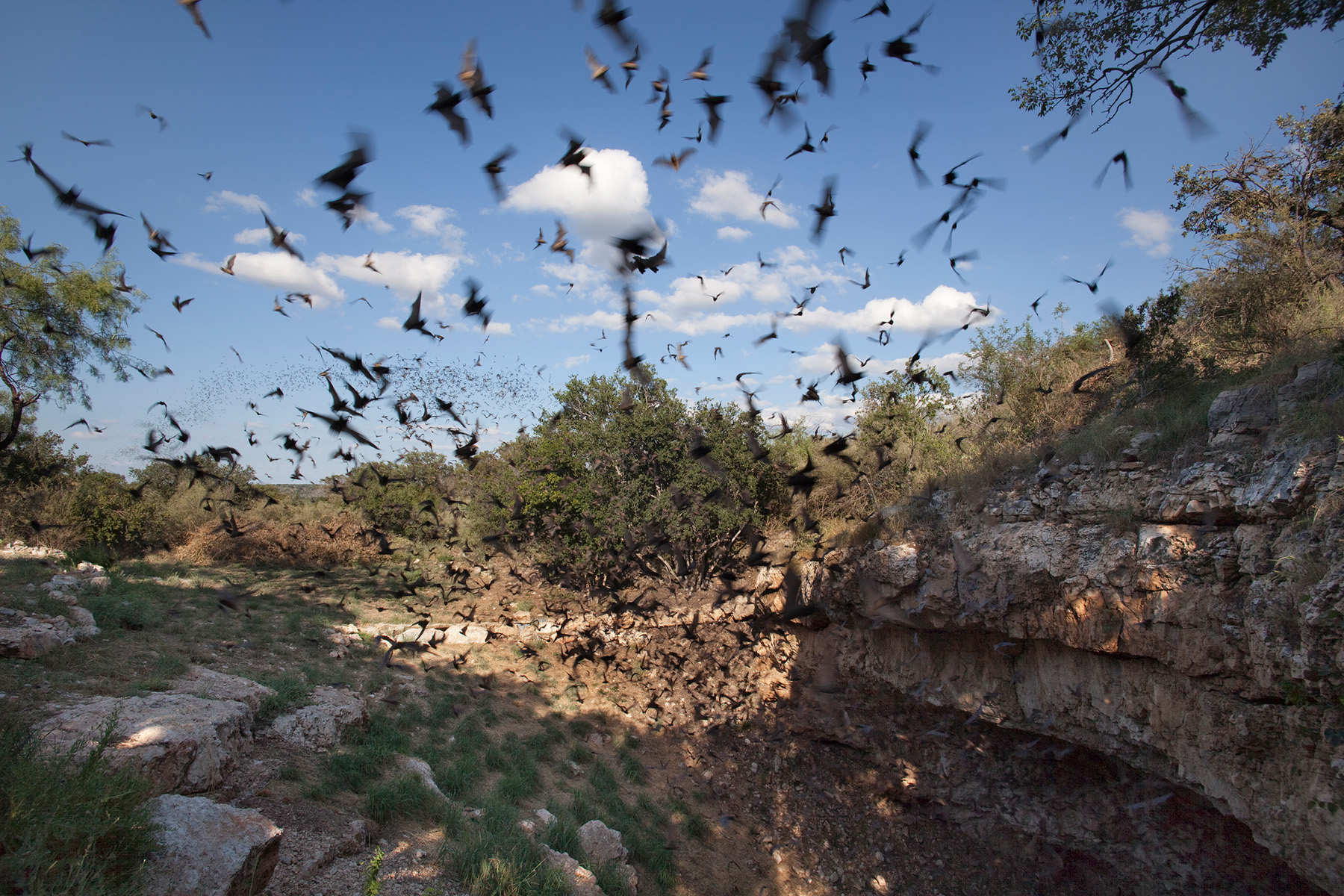
They got remarkably far. In 1943, experiments on a working prototype began. A small contingent of common free-tailed bats were captured from caves around Texas. These tiny mammals were then put to sleep by being placed in a refrigerator before being packed into a silver cylinder that, in turn, would be dropped by a B-25 bomber.
Unfortunately for the helpless bats, they didn’t wake up inside the cylinder and, instead, fell to their deaths. Another test – this time using conscious bats – failed after the creatures inadvertently set fire to an Air Force hangar, leading to the project’s quiet cancellation.
Read more:
- Why do bats live in caves?
- A vast lithium reserve may be hiding beneath the US – enough to last centuries
- The weird, high-stakes plan to save Earth from a world-ending asteroid
7) The Great Panjandrum
How do you clear a beach full of enemy soldiers shooting at you from hardened defensive emplacements?
On D-Day, that question was answered by battleship guns, area bombing and waves of Allied servicemen storming onto the Normandy shoreline. At several beaches, British soldiers were aided in their task by so-called ‘Funnies’: modified Sherman tanks that were able to move from the water to the sand, clear mines and lay barbed wire.
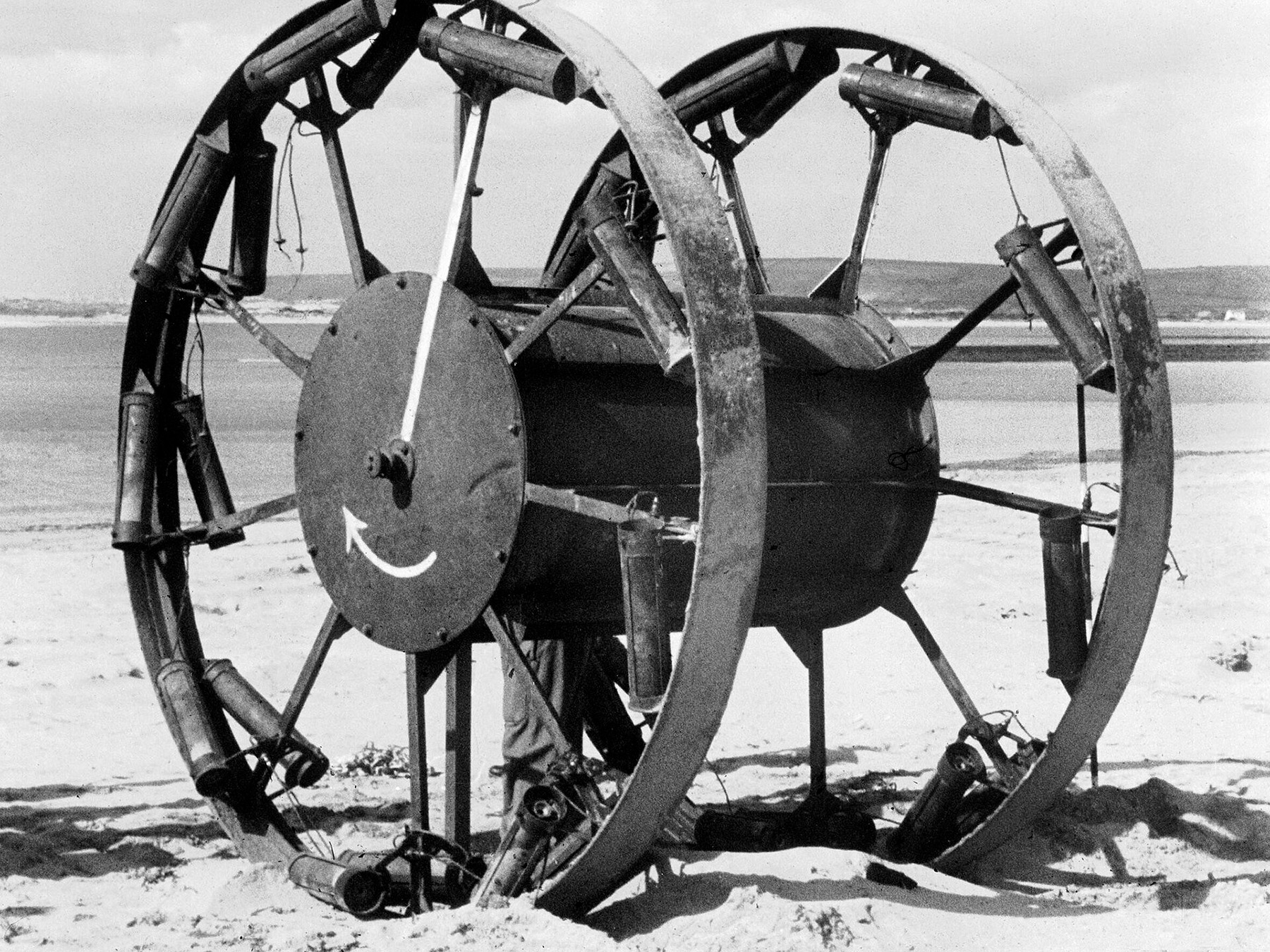
One invention missing from the invasion, though, was the Great Panjandrum. Resembling a gigantic cartwheel outfitted with miniature rockets and high explosives, the device was meant to be directed at enemy emplacements and trundle toward them remorselessly before exploding.
Tests of the weapon on British beaches, however, were notorious failures. Not only did the Great Panjandrum rarely move in a straight line – not ideal in a firefight – but its rockets tended to have a mind of their own, falling or flying off the structure with alarming frequency. Needless to say, the device was never deployed on active service.
8) Axe carbines
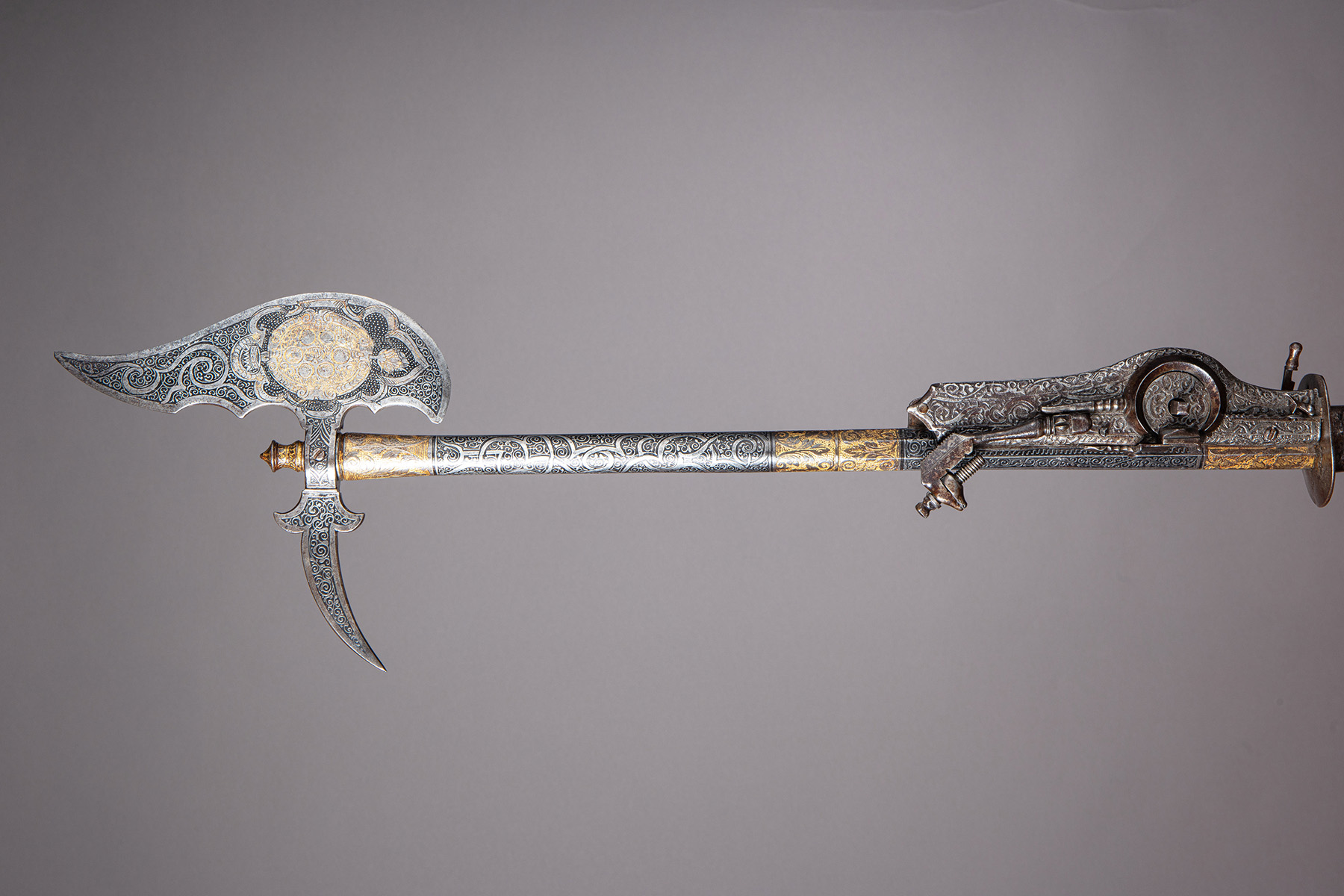
We’ve all been there: waking up from a pleasant night’s sleep in your hammock aboard an 18th-century Swedish warship, and being asked whether you prefer to have an axe or a gun when boarding that pesky Danish privateer looming over the horizon. To answer that question with a question: why not both?
Axe carbines were ideal for sailors looking for an adaptable weapon during boarding operations. Like most 18th century firearms, the flintlock gun portion of the weapon could only be fired at the enemy once before it needed to be reloaded.
Once that bullet was fired, however, the sailor could then proceed to swing his axe to his heart’s content, either at other seamen or at the rigging holding the enemy masts together.
9) The Wind Cannon
Shooting down enemy aircraft is an expensive business. Manufacturing shells and missiles, after all, costs money. Toward the end of World War II, scientists of the Third Reich were getting desperate for new ideas, and reasoned that aircraft could be forced to crash using compressed air.
By firing a concentrated burst of air at low-flying bombers, the fragile mechanical flying machines could be knocked off course – hopefully with enough force to crash into a nearby field.
The engineering team in charge of the project struggled with many technical difficulties, such as how to aim a weapon that fires invisible bullets of air.
They did manage to pull together a prototype in 1945, though, which resembled a huge barrel with a curved end that they claimed could break 10cm (4in) boards 180m (200 yards) away.
It was installed next to a bridge on the River Elbe, but the Windkanone proved completely ineffective, failing to disrupt a single aircraft.
Read more: