
Tyrannosaurus, Triceratops and many colossal, long-necked and duck-billed dinosaurs were there on that fateful day 66 million years ago when a 10km-wide (six mile) asteroid crashed into the Gulf of Mexico.
The impact triggered a mass extinction, wiping out 75 per cent of all species on the planet.
The only dinosaurs fortunate enough to survive this catastrophe were birds. And as Earth slowly healed, some of them evolved to fill ecological niches left behind by their dead dinosaur cousins and ancestors. Some in a spectacularly terrifying fashion.
Here is a selection of the most fearsome birds that ruled Earth after the dinosaurs were wiped out.
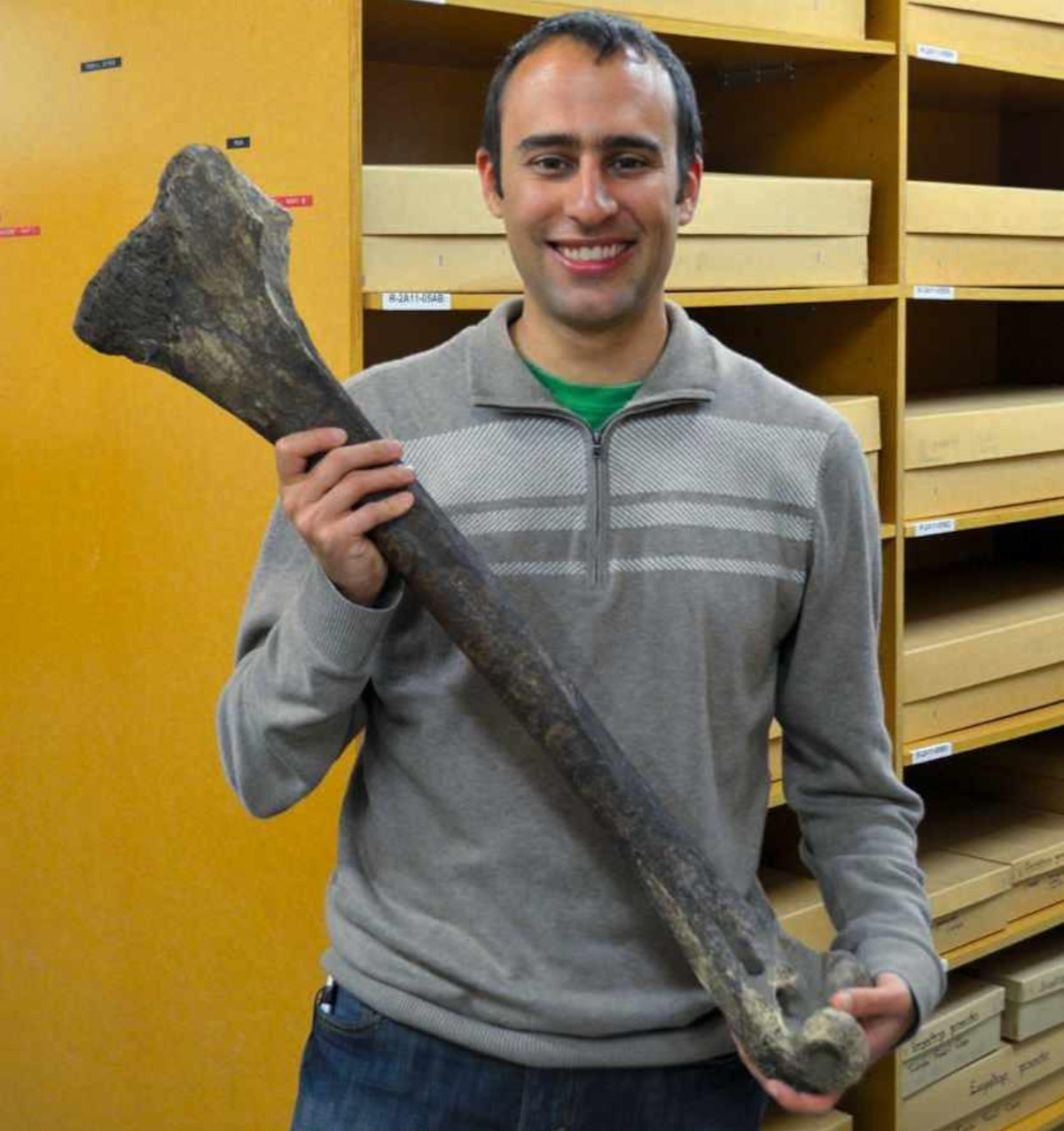
Terror birds, as feared as they were funny-looking
For tens of millions of years after the asteroid hit, South America stood alone, an island continent unconnected to the wider world. Ruling this land were enormous flightless birds that were a mix of funny and fearsome.
They had comically small arms, but ferocious claws on their feet; their heads were cartoonishly large and capped with flesh-slicing beaks. Scientists call them the phorusrhacids, but their nickname better evokes their personality: terror birds.
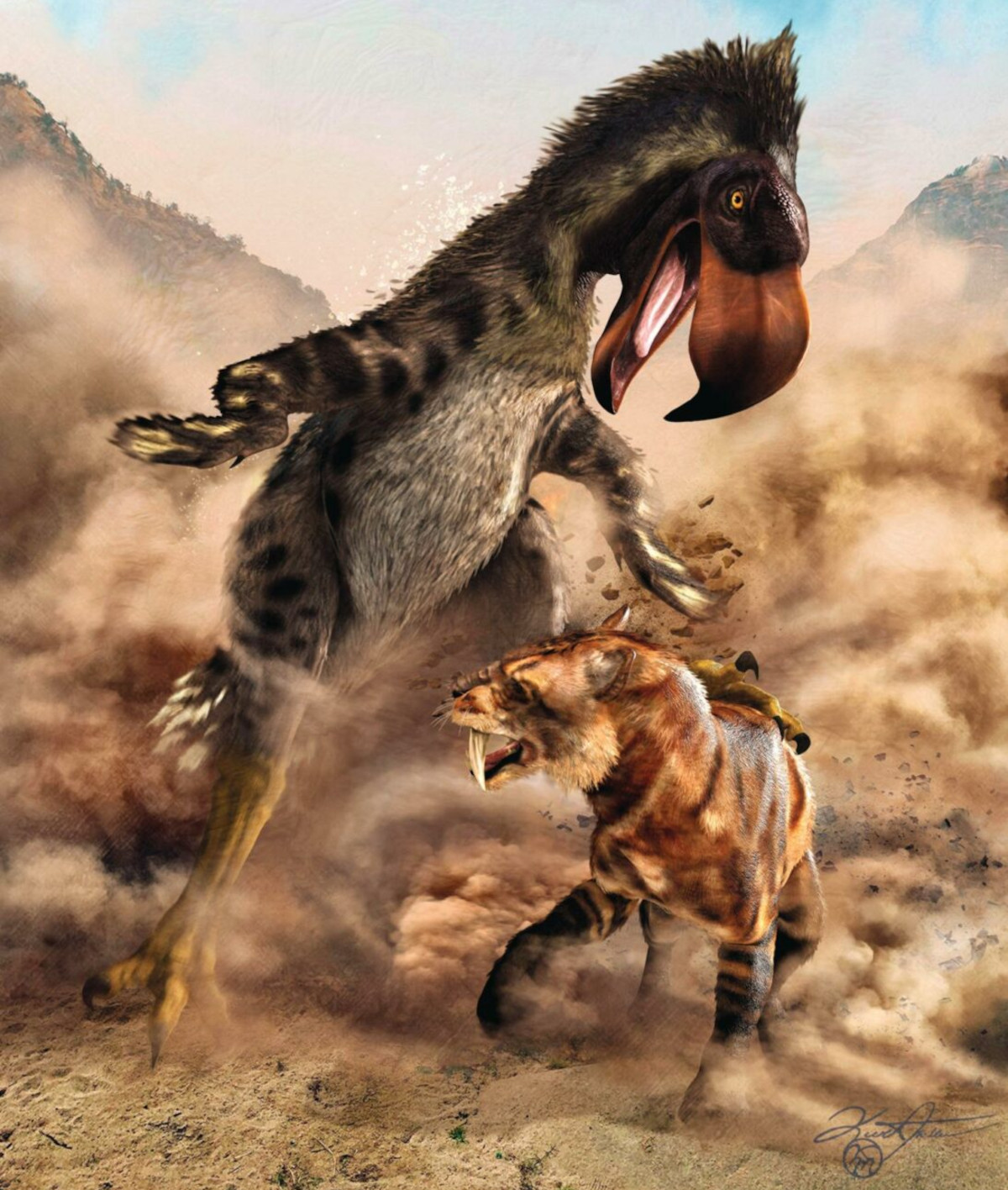
They were, in essence, Tyrannosaurus rex reborn: huge predators that topped the food chain. The largest terror birds, like Kelenken from Argentina, were 3m tall (almost 10ft) and weighed over 350kg (770lbs).
They sprinted at breakneck speed, chasing down marsupial mammals and other prey, first subduing them with their kickboxer feet and then pummelling them into submission with their razor-sharp beaks.
For more than 40 million years, terror birds dominated the plains and mountains of South America.
Some escaped north, across the Isthmus of Panama, when South America formed a land connection with North America about 2.7 million years ago.
But they never gained a foothold in North America, and around 100,000 years ago they became extinct on both sides of the equator.
In geological terms, our human ancestors (Homo sapiens), who appeared in South America around 20,000 years ago, narrowly missed them.
However, terror birds do have close relatives that live today: the long-legged and territorial seriemas of South America.
Elephant birds: biggest eggs, smallest cousins
Many other birds followed the same path as terror birds, giving up the power of flight to grow to huge sizes and fill ground-bound niches left behind by the dinosaurs.
While terror birds seized the top predator niche in South America, an even bigger group of birds took over the top herbivore spot on the island of Madagascar.
These were the elephant birds, known to scientists as the aepyornithiformes.
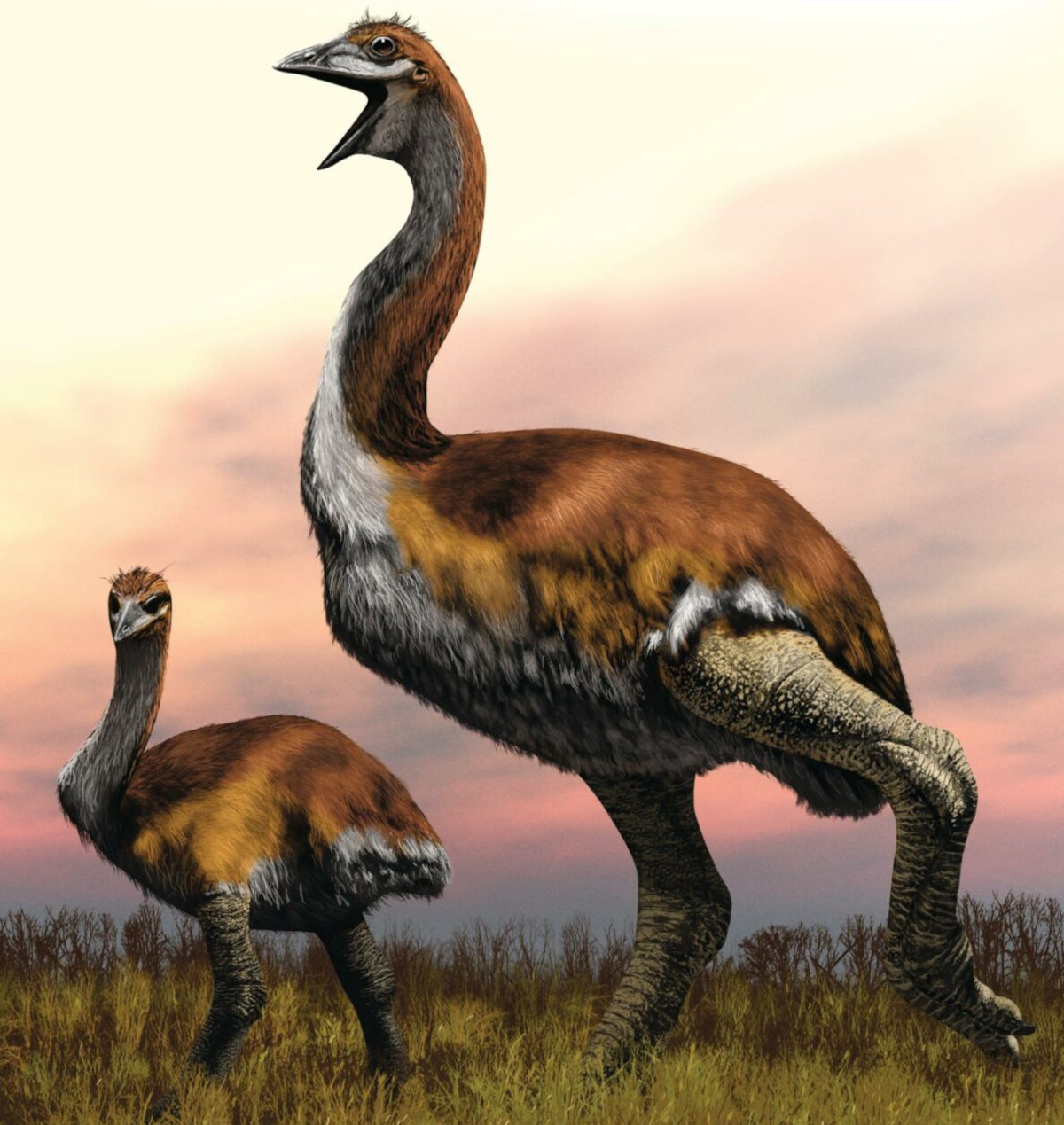
Once again, their nickname encapsulates their character. They were, by most measures, the largest birds to ever live.
The brawniest ones were more than 3m tall (almost 10ft), but it was their bulk, rather than their height, that truly set them apart, as they weighed up to 730kg (over 1,600lbs).
Their eggs were record-setters, too, bigger than any other ever laid by bird, mammal or reptile. A single one was the size of a watermelon and had the volume of approximately 160 chicken eggs.
Once humans arrived on Madagascar, however, their days were numbered. The environment was altered so substantially that the last one disappeared around 900 years ago.
As they went extinct so recently, though, some of their bones and eggs still preserve DNA. Shockingly, they’re most closely related to the most unexpected of kin: the little kiwis of New Zealand!
Demon ducks with (apparently) delicious eggs
Another group rivals the elephant birds for the title of heavyweight champion of bird history. They’re from Australia and are called the dromornithids by scientists.
But these birds are so outrageous that they’ve garnered not one, but three nicknames.
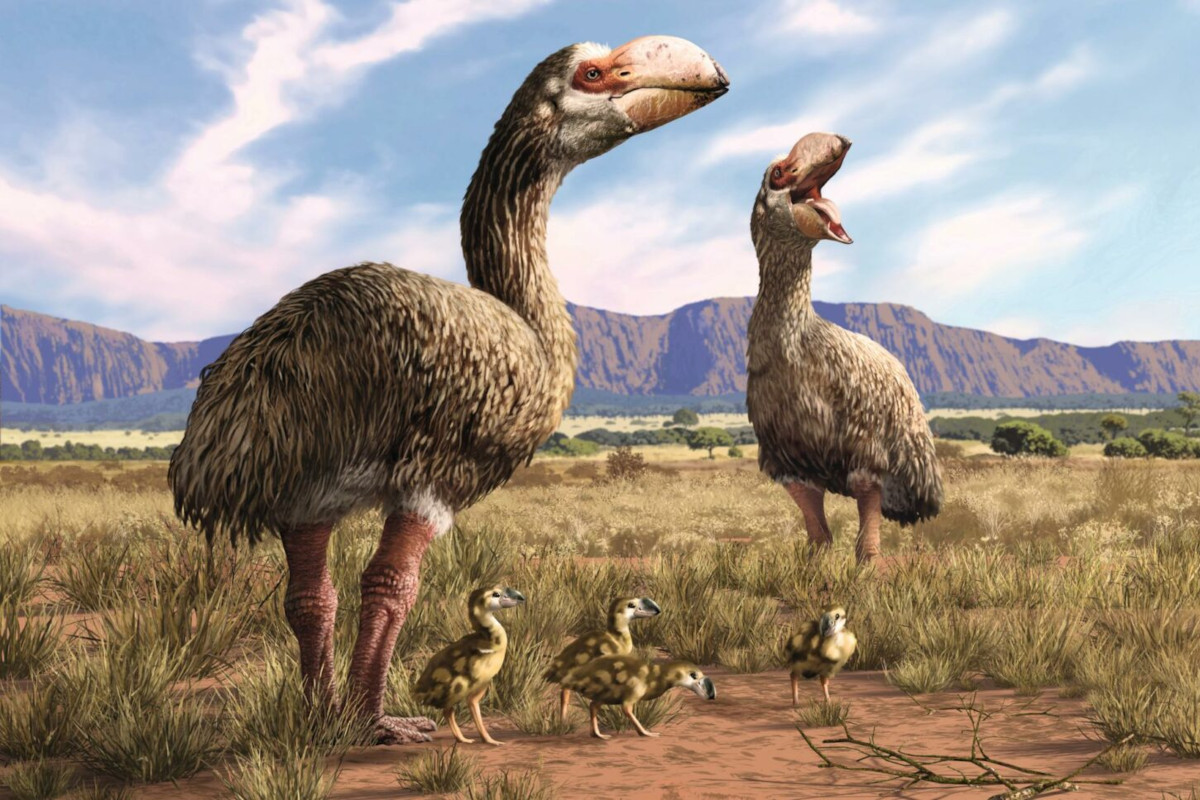
Some call them mihirungs, an Aboriginal term for ‘giant bird’. Others refer to them as thunder birds, evoking the small tremors they made with each footstep. Most commonly, however, they’re known as demon ducks.
This moniker is somewhat unfair, as like elephant birds, they were herbivores. But they were demonic in their girth: the biggest demon ducks were about 725kg (almost 1,600lbs).
They’re closely related to modern ducks and geese, with massive heads and beaks, robust rib cages and sturdy legs.
Their bellies were full of gastroliths – stones that help break down tough foliage during digestion (needed because, like all birds, they had no teeth to chew their food).
For more than 35 million years, demon ducks were among the largest leaf-eating browsers in the forests of Australia, in wetter periods before the outback grasslands moved in.
Humans quickly developed a taste for their eggs, however, shortly after they arrived in Australia around 50,000–65,000 years ago, evidenced by charred eggshells at archaeological sites.
As a result, these stupendous birds went extinct within a few thousand years.
Read more:
- 17 unusual, bizarre, and downright weird dinosaurs
- One of the world's rarest animals has been caught on camera – and the photo is extraordinary
- Earth's early life was terrible at sex, say scientists
Gastornis and Diatryma: the most maligned creatures in prehistory
In 1855, in the clays near Paris, a young man named Gaston Planté found giant petrified bird bones, much bigger than any bird that lived in Europe.
Planté would go on to greater fame when he invented the lead-acid battery, but his peculiar fossils turned out to be revolutionary in their own way.
They were the first glimpses of a tribe of lofty birds that thrived across Europe during the first 20 million years in the aftermath of the dinosaurs’ extinction.
Named Gastornis after its discoverer, this bird stood taller than an average human, with an absurdly inflated head. Soon after, other bones of a transatlantic cousin called Diatryma were discovered in the American west.
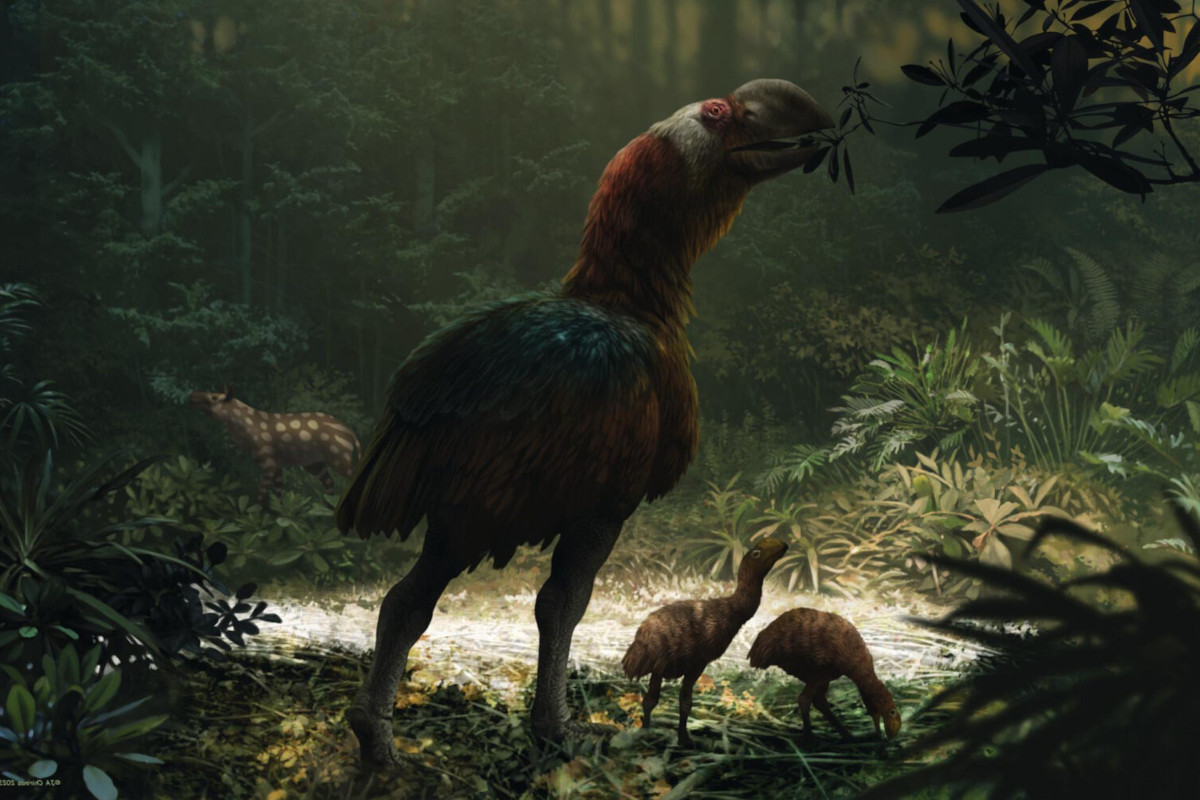
These birds became prehistoric icons. Museums lined up to display their quirky, corpulent skeletons, distinguished by their gigantic beaks, beefy necks, barrel-shaped chests and puny arms.
It was assumed that their deep, pincher beaks were used to devour meat and, for decades, Gastornis and Diatryma were heralded as some of the great villains of prehistory, alongside T. rex and sabre-toothed tigers.
Remarkably, though, recent analysis shows that the chemical composition of their bones has the tell-tale signature of a plant-eater.
It was a profound realisation that one of the apparent ‘bad guys’ of prehistory was actually a gentle herbivore.
And not just any herbivore, but the biggest herbivore at the base of European and North American food webs for millions of years, before they were replaced by mammals.
Moas: flightless birds stomping around New Zealand
The asteroid ended the Age of Dinosaurs. Yes, some survived in the form of birds and, as we’ve seen, many of them bulked up to become the top meat- and plant-eaters.
But eventually, almost all of them were usurped by mammals, which grew even bigger and took over the keystone roles in ecosystems everywhere.
All except in one place: New Zealand. This single spot of land allowed the surviving dinosaurs to hold onto power for tens of millions of years, unbothered by mammals.
Their reign only came to an end about 700 or 800 years ago, when humans arrived and rapidly changed the landscape.
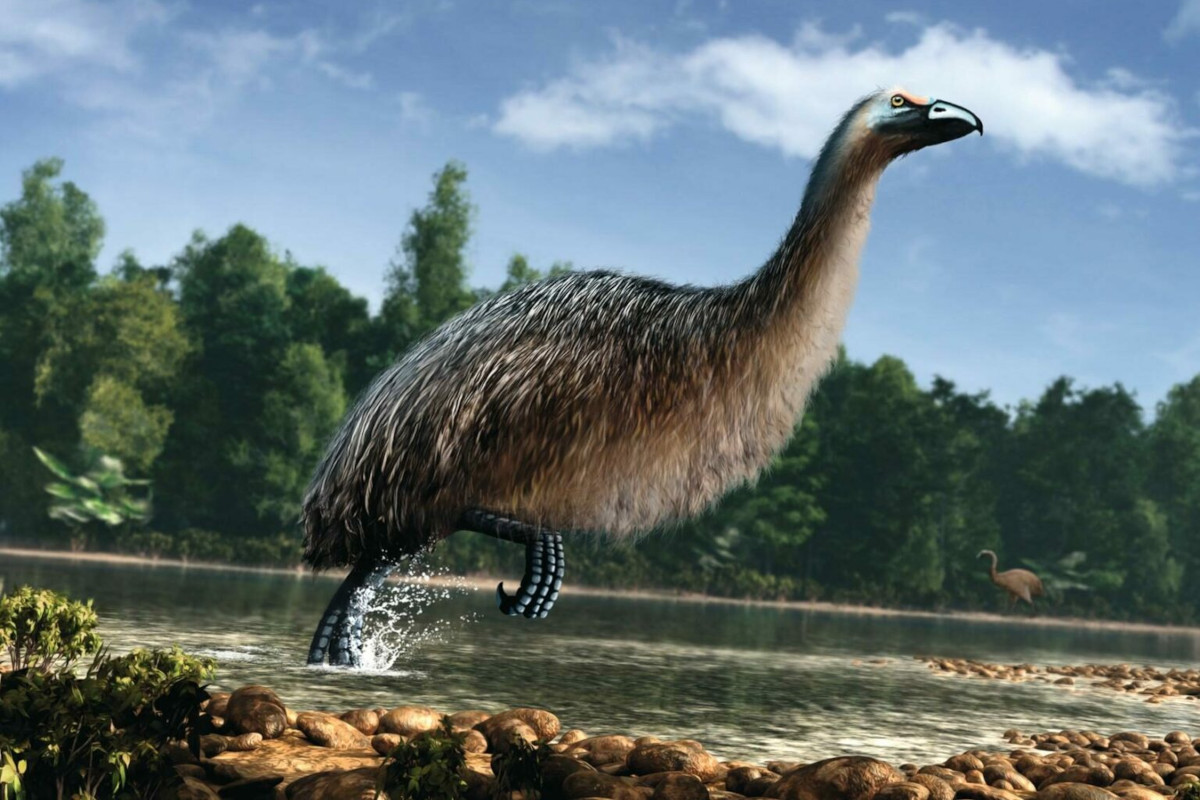
Emblematic of this last kingdom of the dinosaurs were the moas, genuine ‘Big Birds’ that stood taller than a basketball hoop at 3m (10ft) and weighed more than 225kg (almost 500lbs).
These plant-eaters so utterly dominated the New Zealand landscape that there were at least nine species, which ranged in size and occupied different niches, allowing them to peacefully coexist.
They were so varied that it was once thought that two particular types were distinct species, on account of the threefold size difference between them. It was only later that fossil DNA revealed them to be males and females of the same species.
This is the most extreme sexual size difference known among any bird or mammal. Although now extinct, moas are closely related to flightless birds like ostriches and emus.
Colossus penguins, ancestors of the cute Antarctic birds of today
Many birds gave up the ability to fly in order to get big and become the top predators and herbivores on land. One famous group, however, stopped flying through the air and adapted to a new life of ‘flying’ through the water. Penguins.
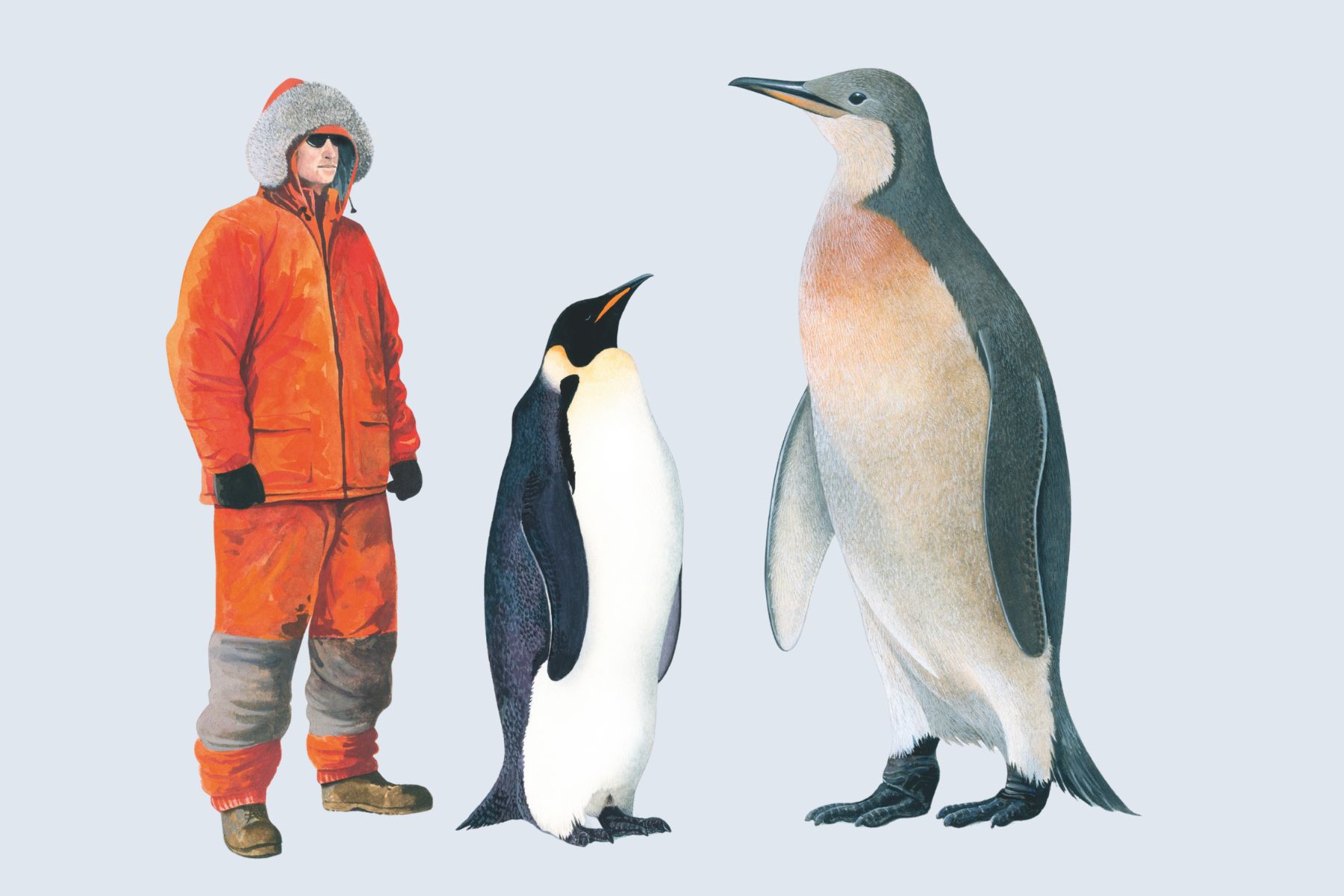
They’re some of the most distinctive birds alive today, with their straight-postured, human-like stance, webbed feet and flippers. In the past, however, penguins were even more sublime.
Their first fossils appear in rocks laid down in ancient shallow seas shortly after the asteroid impact event, and they’re big. Really big.
One species, nicknamed the ‘Colossus Penguin’, was about the size of a gorilla – around 1.8m (6ft) tall and weighing almost 230kg (500lbs).
These first penguins morphed their bodies into a torpedo shape so they could fill another ecological niche left vacant by the asteroid: top predator in the ocean. A role once held by marine reptiles like mosasaurs and plesiosaurs.
For many tens of millions of years, it was penguins that struck fear into the hearts of fish and squid across the southern oceans, before they were eventually outcompeted in many roles by large sharks – such as the great white and southern sleeper sharks – and killer whales.
But penguins didn’t disappear. Instead, they evolved into what we know today: small, charming, deep-diving, fast swimmers synonymous with Antarctica and ice.
Pelagornithids: the end of a long lineage of apex predators
Thus far, every one of the extraordinary extinct birds profiled here has been flightless. That’s the normal route to follow to become a huge, eccentric bird. But some birds have done so while still maintaining the ability to fly.
The most awesome are the pelagornithids. They were essentially giant kites that sailed the world’s thermals, barely flapping their wings as they soared over vast distances.
The biggest ones had wingspans more than 7m wide (almost 23ft) – about twice as wide as the largest flying bird today, the wandering albatross.
But that’s not the only amazing thing about the pelagornithids. They also had teeth. Of sorts. Birds lost teeth and evolved beaks way back during the Mesozoic, and no modern birds have teeth.
Yet, pelagornithids had jaws that looked like sawblades, with pointy projections that look like teeth.
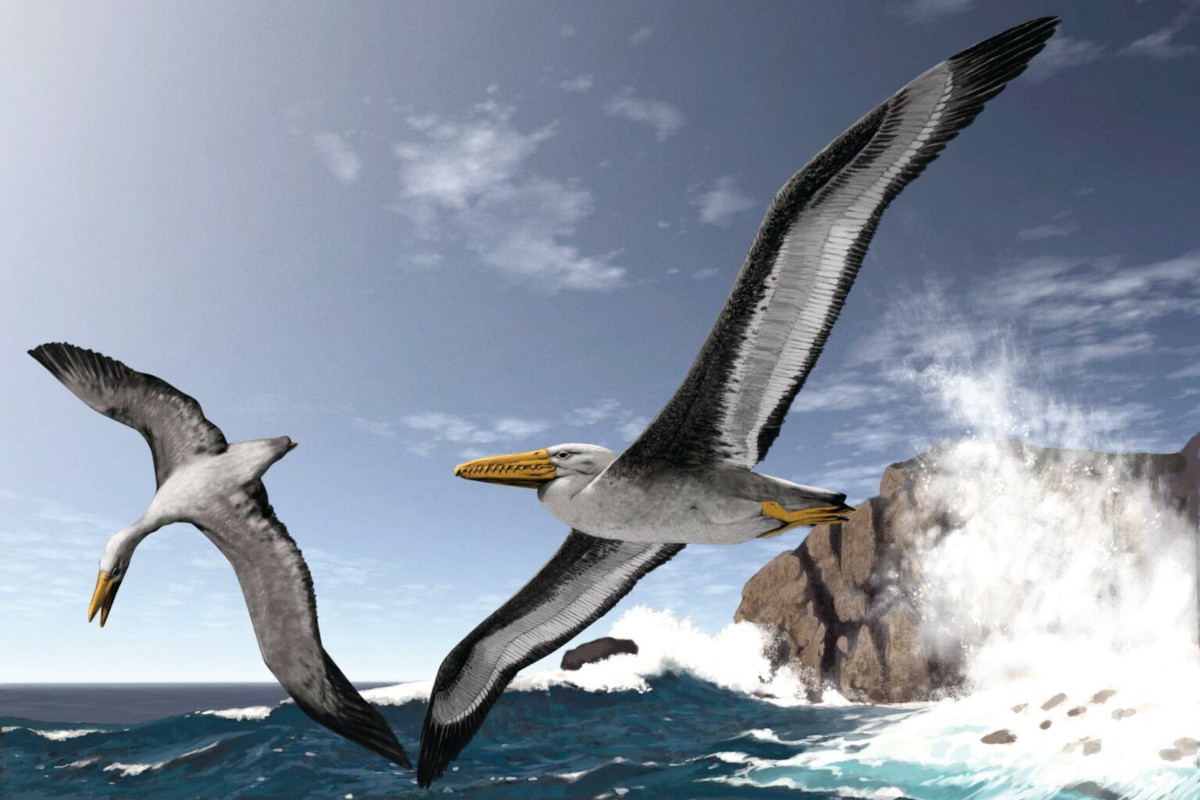
When seen under a microscope, however, these projections do not have enamel, like teeth, but rather the texture of bone – so they were bizarre elaborations of the jaws themselves.
The first pelagornithids appeared soon after the asteroid hit and filled yet another niche that opened up after the extinction: the giant hang-glider role long held by pterosaurs (the famous flying reptiles).
For tens of millions of years, the pelagornithids glided across the world, until suddenly going extinct a few million years ago, as the ice ages began at the start of the Pleistocene.
In doing so, they vacated the hang-glider niche, which remains largely empty to this day. Will something evolve to fill it, or is that position in the food chain gone forever?
Wingspans of the largest birds
Pelagornis sandersi – 7.4m (24.3ft)
Argentavis magnificens – 5.6m (18.4ft)
Diomedea exulans (wandering albatross) – 3.5m (11.5ft)
Gymnogyps californianus (California condor) – 2.9m (9.5ft)
Fregata magnificens (magnificent frigatebird) – 2.4m (8ft)
Read more:
