On 12 August 2026, the skies above Europe appeared to darken as the Moon passed in front of the Sun, creating a total solar eclipse.
The path of totality passed through northern Spain and over Greenland, where the sky was plunged into darkness for over two minutes.
Across the rest of Western Europe, the skies darkened as the Moon blocked out around 90 per cent of the Sun’s disc. The eclipse was even visible in Canada and the northeast US.
Though several eclipses happen every year, the chances of them happening in a specific location can be quite rare. In fact, the last time the path of totality passed across Europe was in 1999.
The continent won’t have to wait that long this time though. Another solar eclipse will pass along the northern coast of Africa, just brushing the southern tip of Spain, on 2 August 2027.
Then, on 26 January 2028, an annular eclipse – where a thin ring of light is visible around the Moon – will pass through Spain again.
If you weren’t lucky enough to be in the path of totality, here is a selection of the best images, taken from around the world.
(And remember – it’s important to never look directly at the Sun, unless you have proper eye protection, such as verified eclipse glasses, or else you can permanently damage your eyes.)
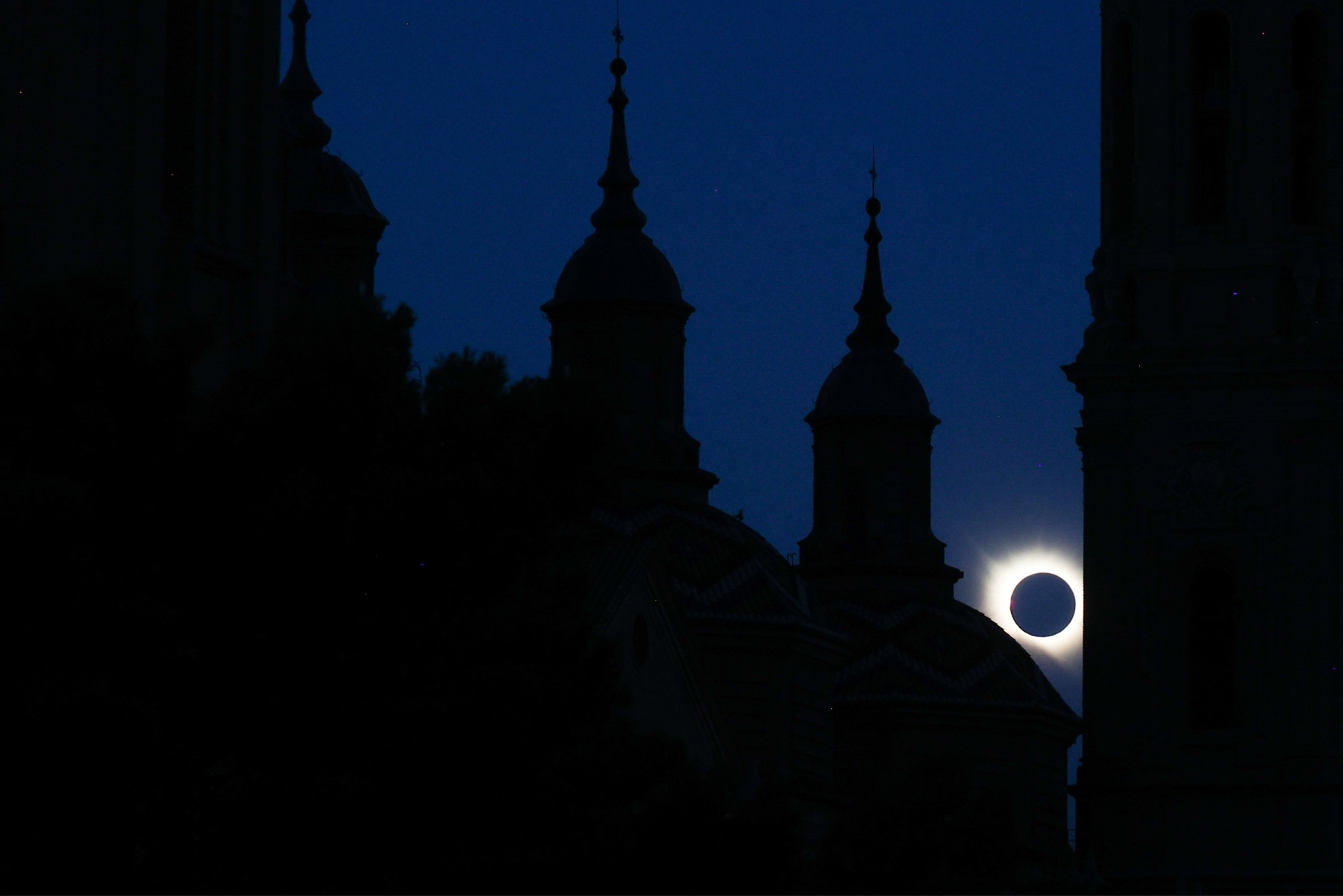
Zaragoza, Spain
The eclipse peaks out between the towers of Catedral-Basílica de Nuestra Señora del Pilar, in Zaragoza, Spain - Credit: Getty
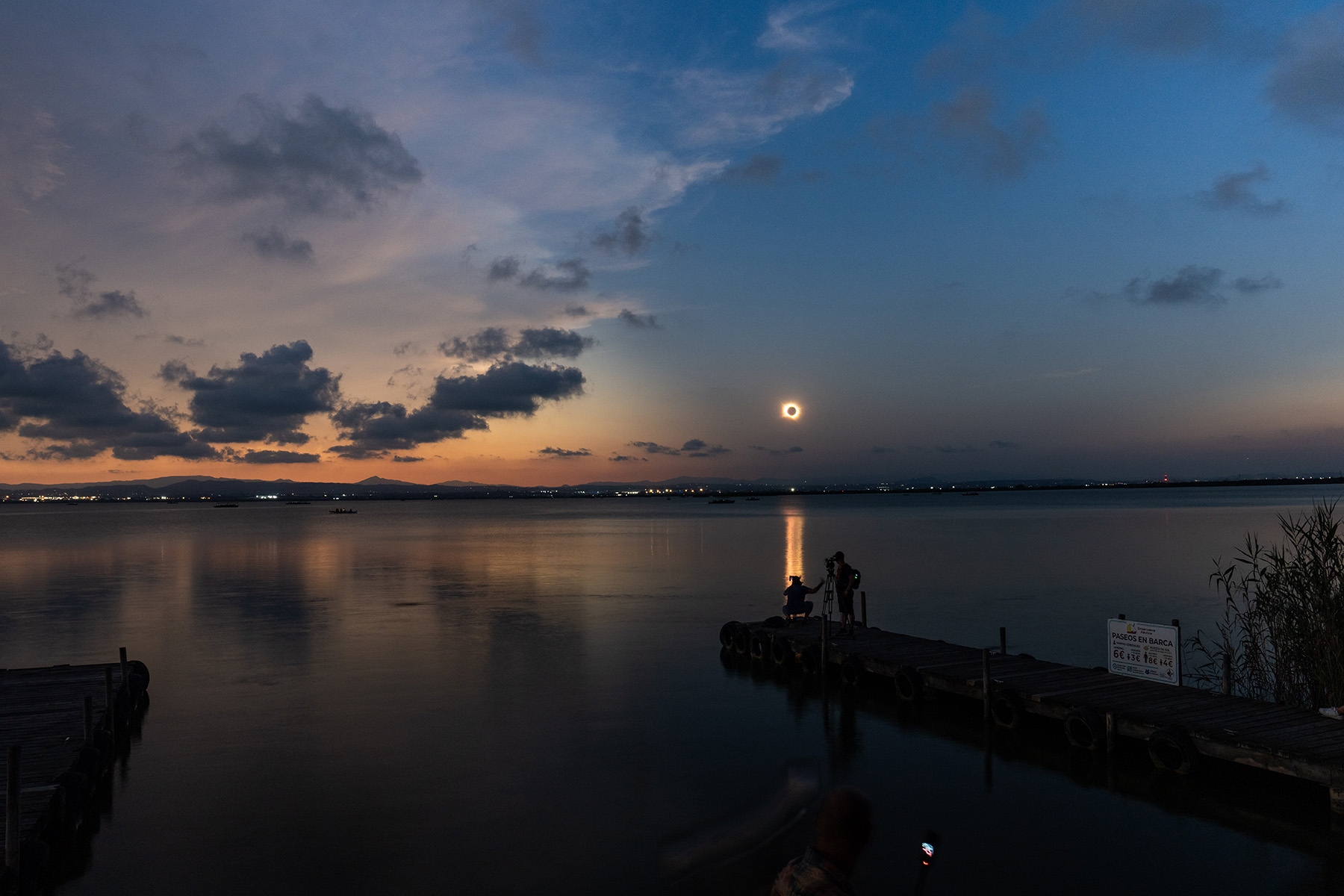
Valencia, Spain
The eclipse appears over the water of the natural park of Albufera - Credit: Getty
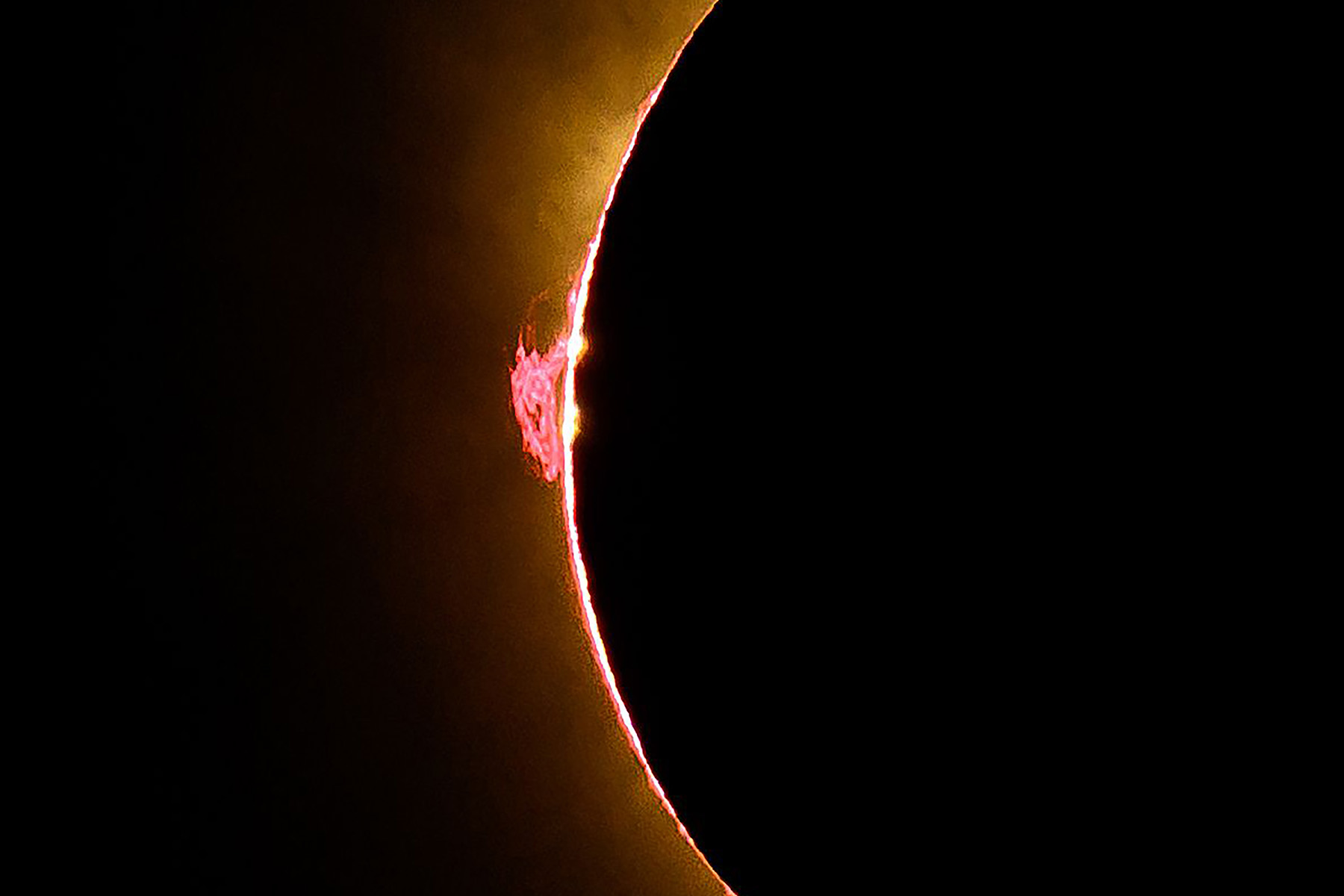
Palencia, Spain
During an eclipse, it's possible to make out several features that usually get lost in the Sun's glare. Here, you can see a bright red flare bursting from the solar surface, while the Sun's wispy atmosphere – known as the corona – glows in orange - Credit: Getty
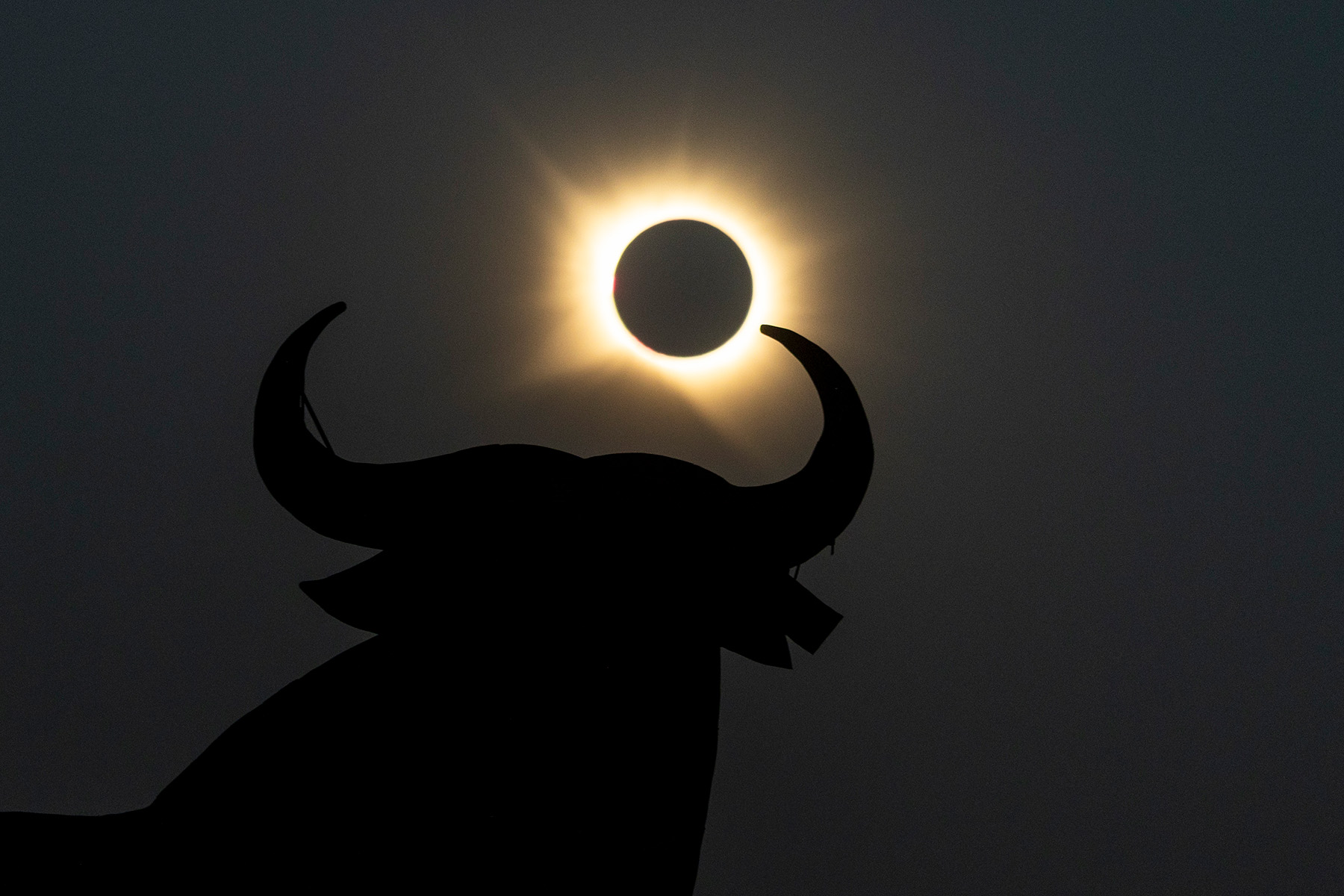
Guadalajara, Spain
The eclipse appears behind El Toro Osborne, a giant silhouette of a bull placed on the hillside in 1956 - Credit: Getty
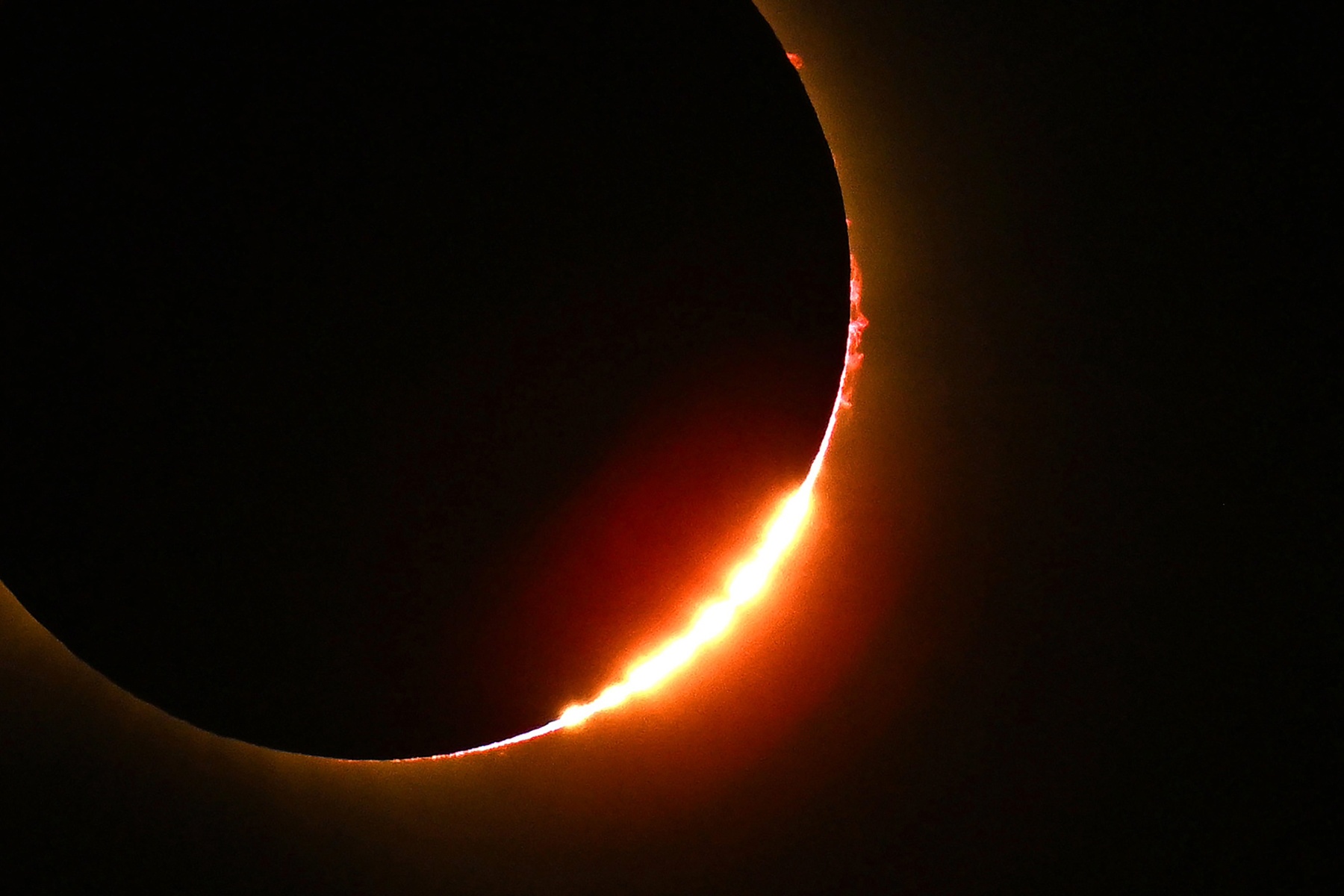
Palencia, Spain
The light of the Sun peaks out from behind the Moon, just before totality. The Moon's uneven surface means that mountains block the sunlight, while the valleys let it through, giving this last glimmer its uneven appearance - Credit: Getty
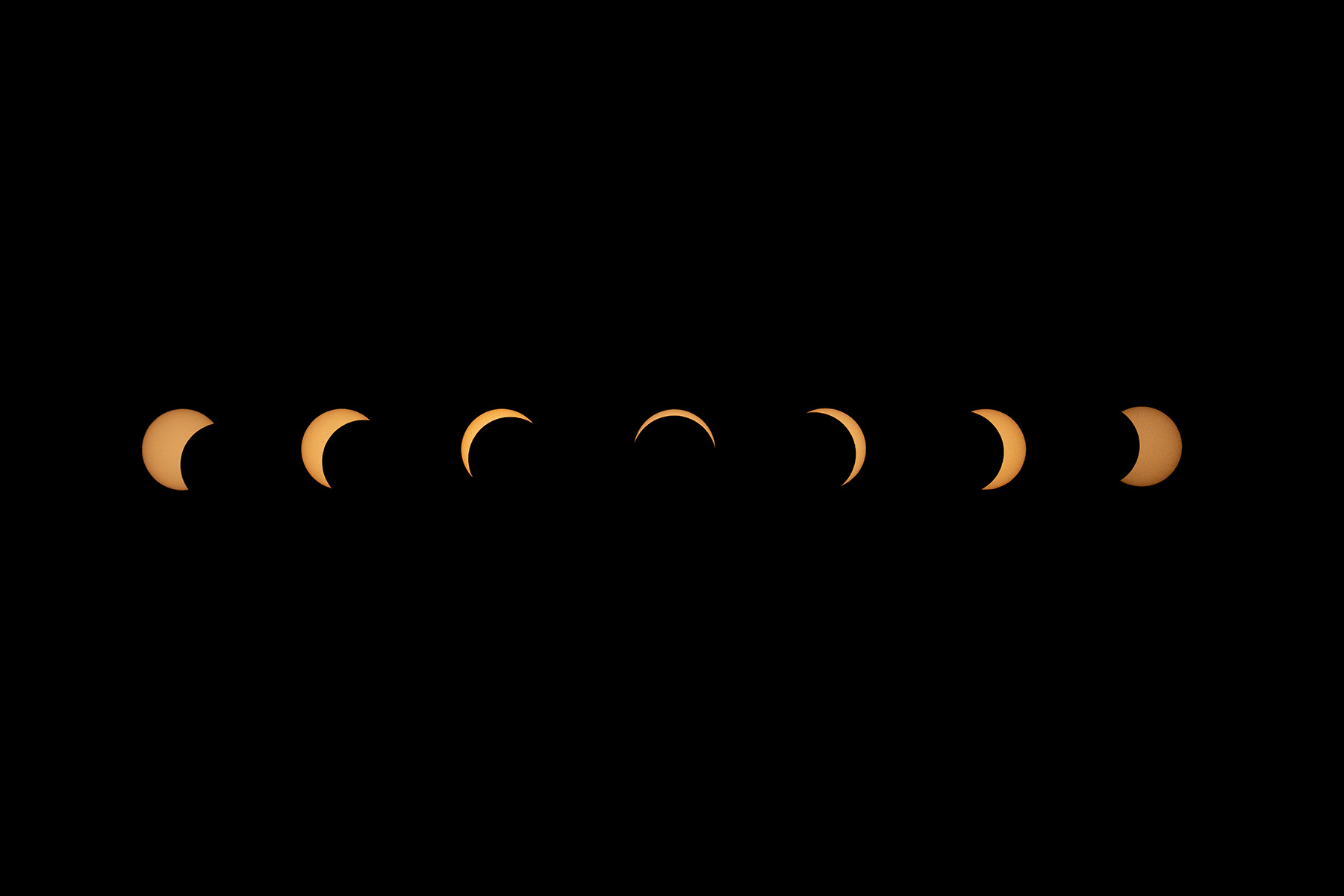
London, UK
This series of images captures the progress of the eclipse as seen from London, UK - Credit: Getty
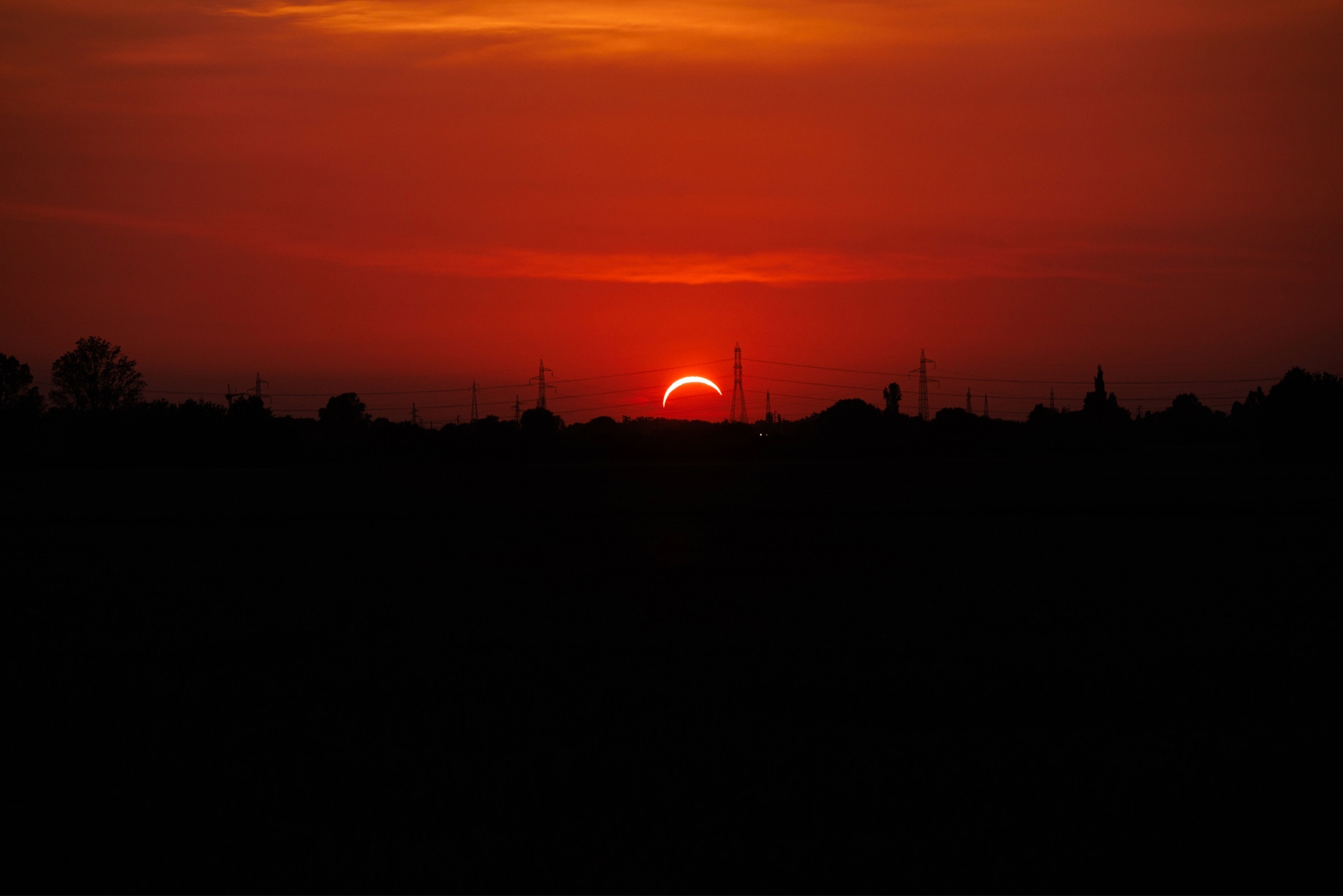
Bologna, Italy
Italy wasn't in the path of totality, but in Bologna the Moon did cover 92.6 per cent of the Sun's disc - Credit: Getty
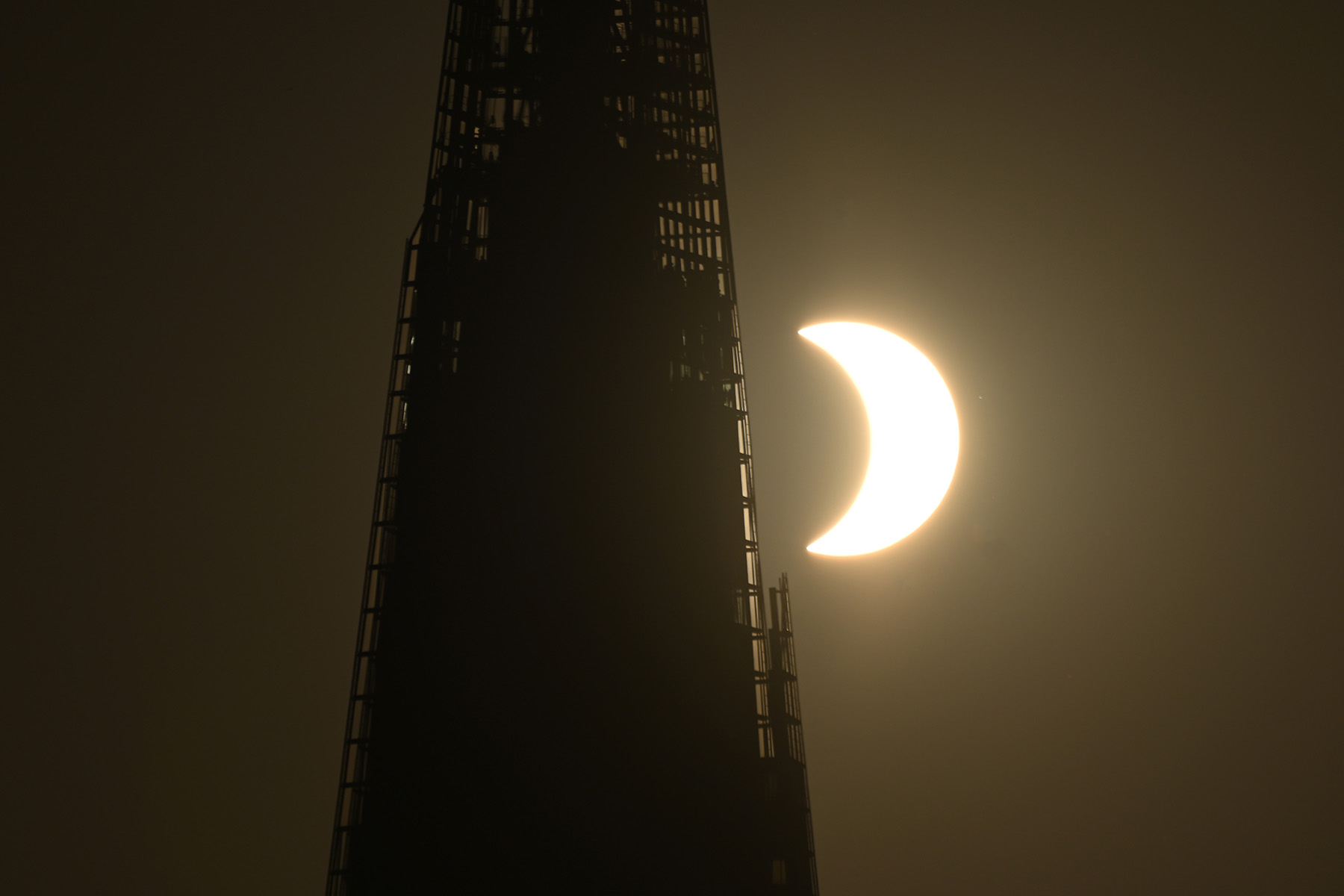
London, UK
The partial solar eclipse appears beside the Shard, as seen from the River Thames in London - Credit: Getty
Ostrava, Czech Republic
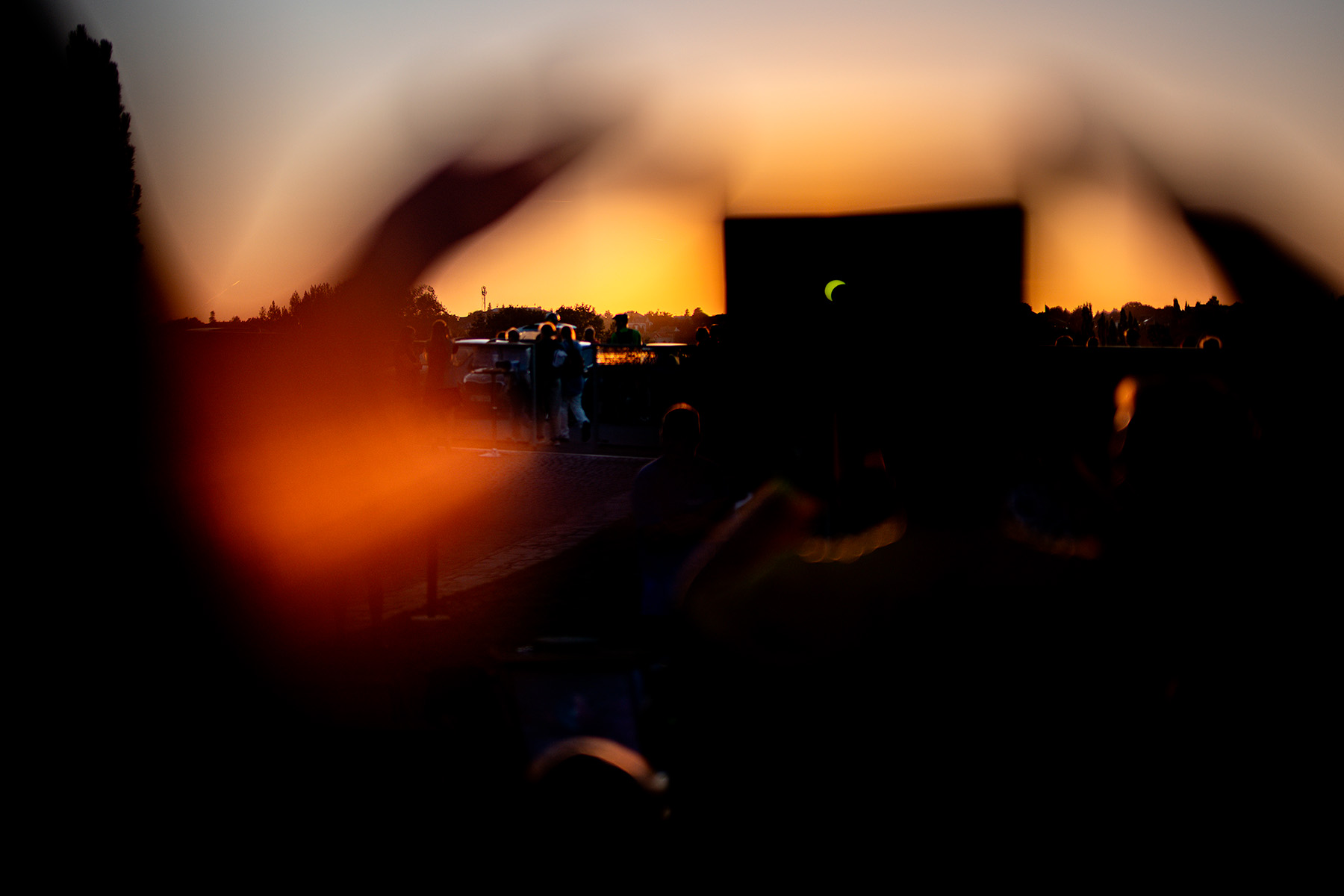
Public events where people could come together and watch the eclipse were held in cities across the continent - Credit: Getty
Glastonbury, UK
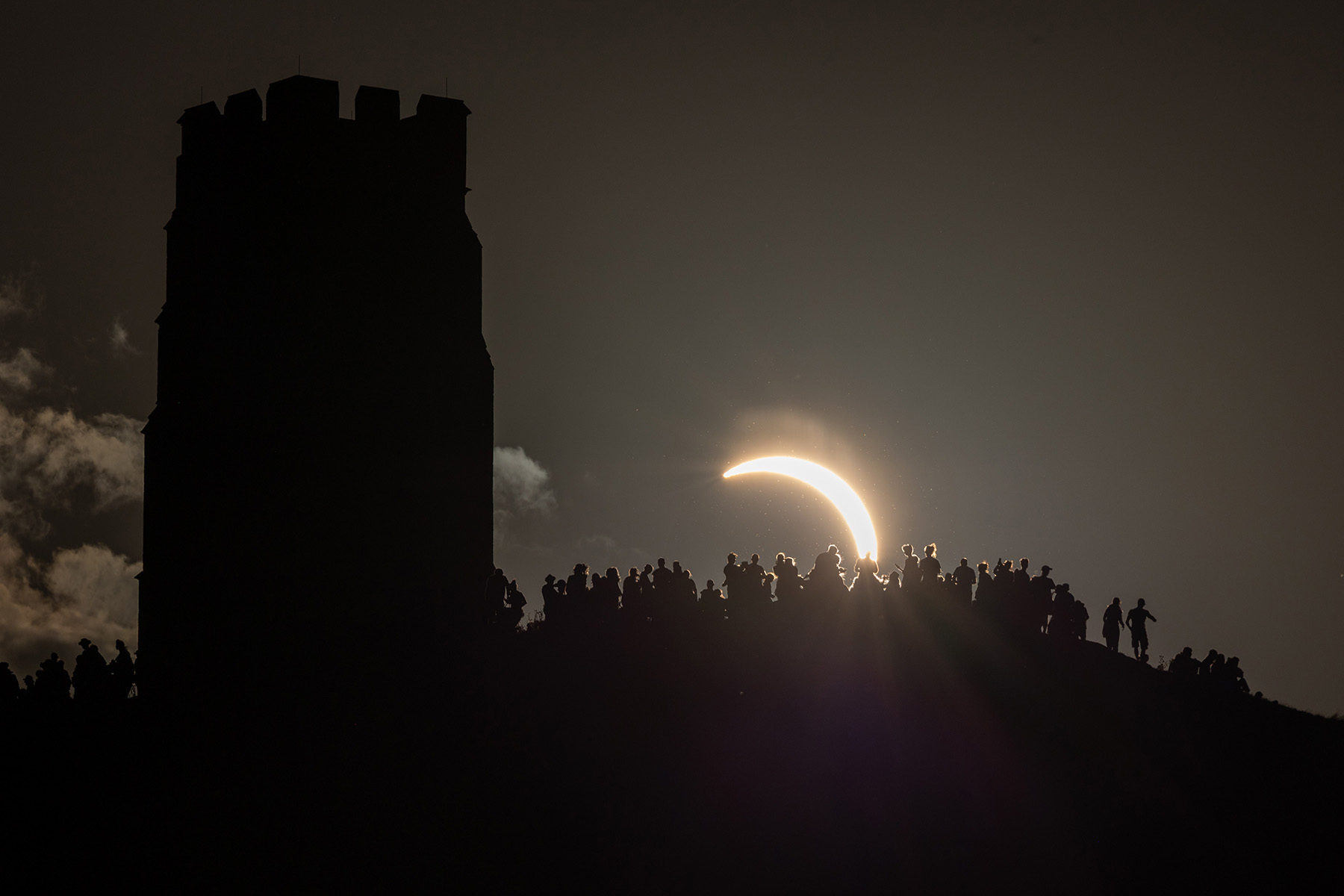
A group of people gather to watch the eclipse at St. Michael's Church on top of Glastonbury Tor. The photograph was taken with a zoom lens from some distance away, making the Sun look much larger in the sky - Credit: Getty
Ladispoli, Italy
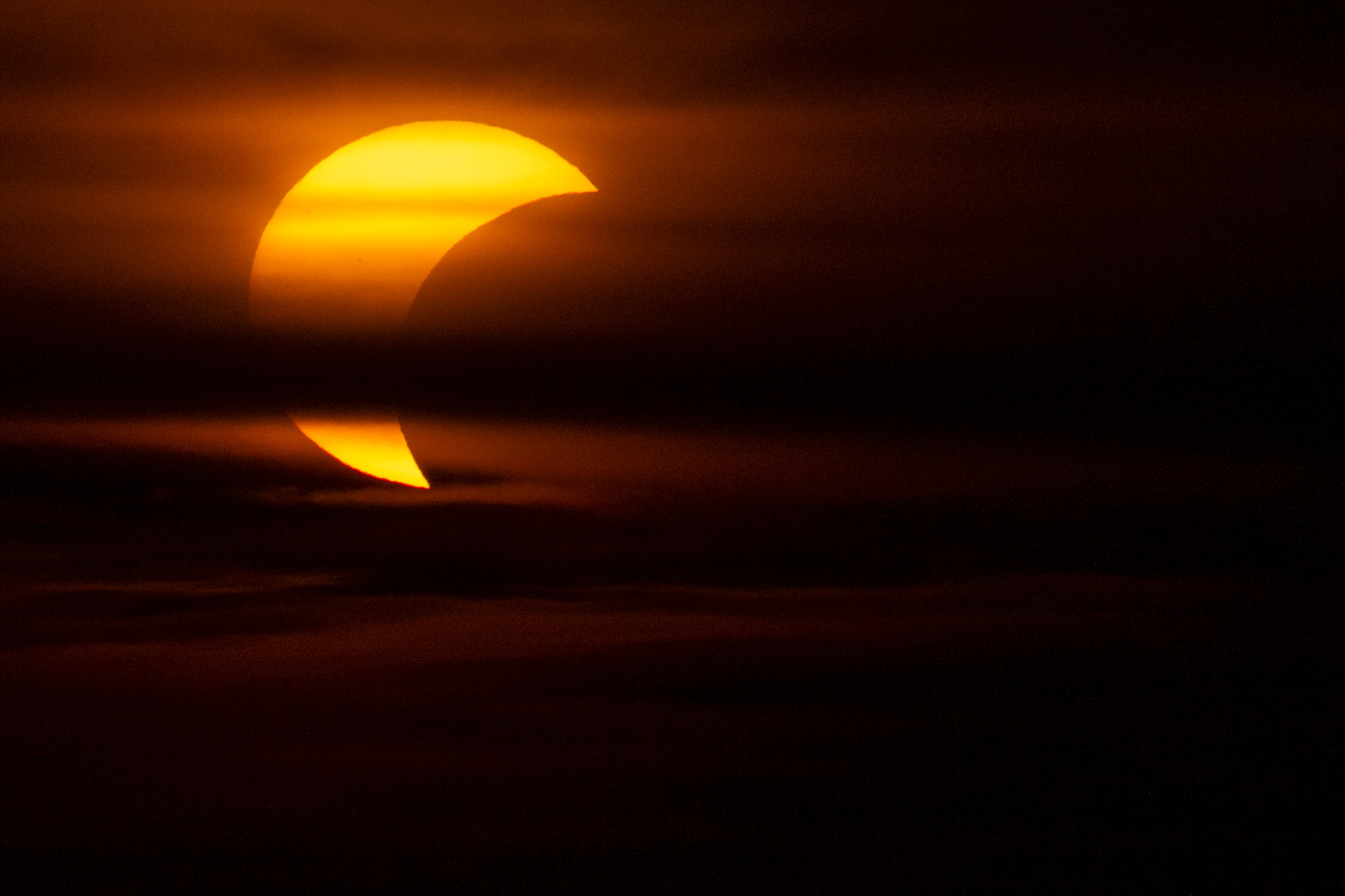
While skies were clear for many parts of Europe, in some parts of Italy, the view was obscured by clouds - Credit: Getty
Liverpool, UK
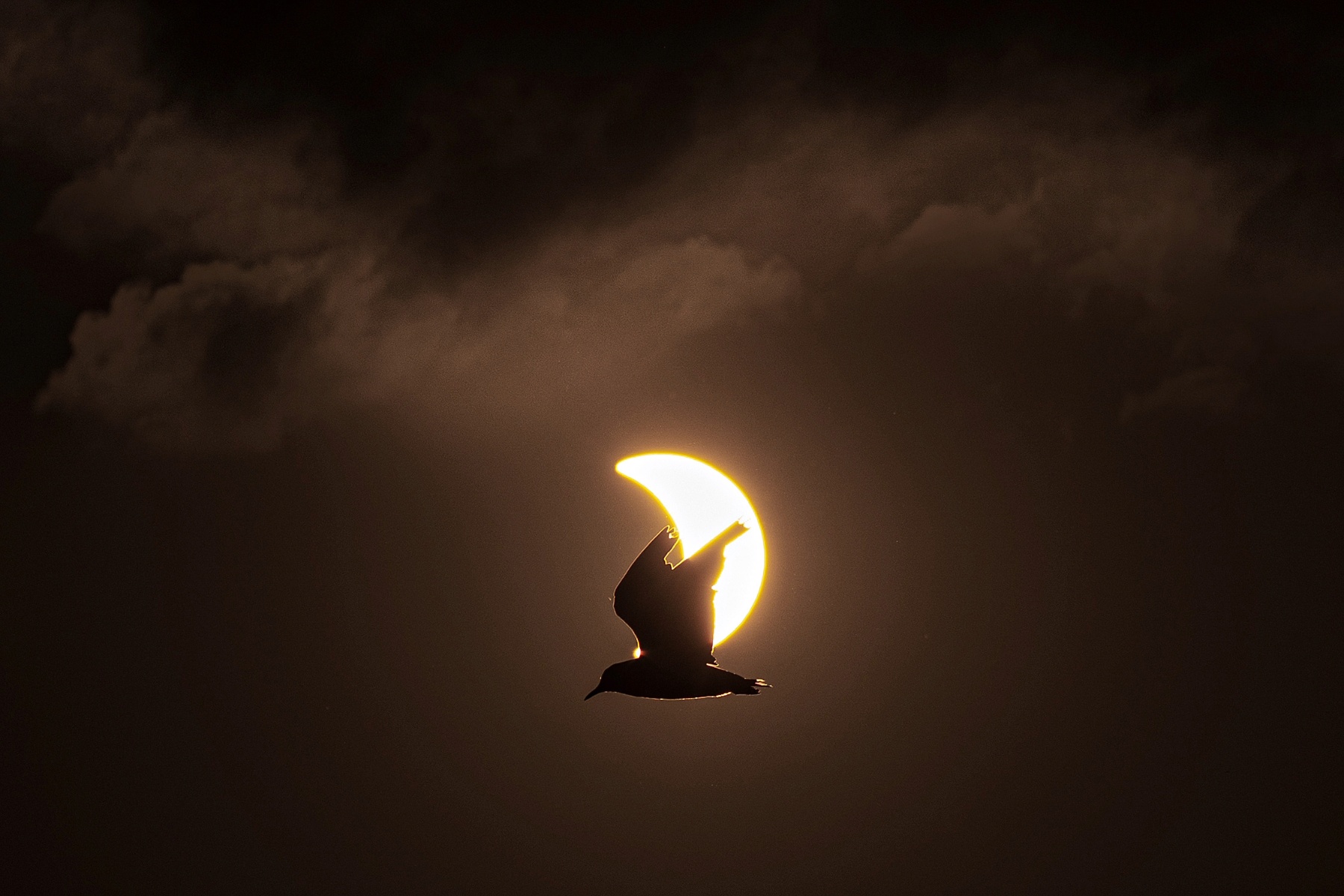
Photographer Christopher Furlong got lucky with this shot, capturing a bird as it flew across the partial eclipse at Crosby Bay in Liverpool - Credit: Getty
London, UK
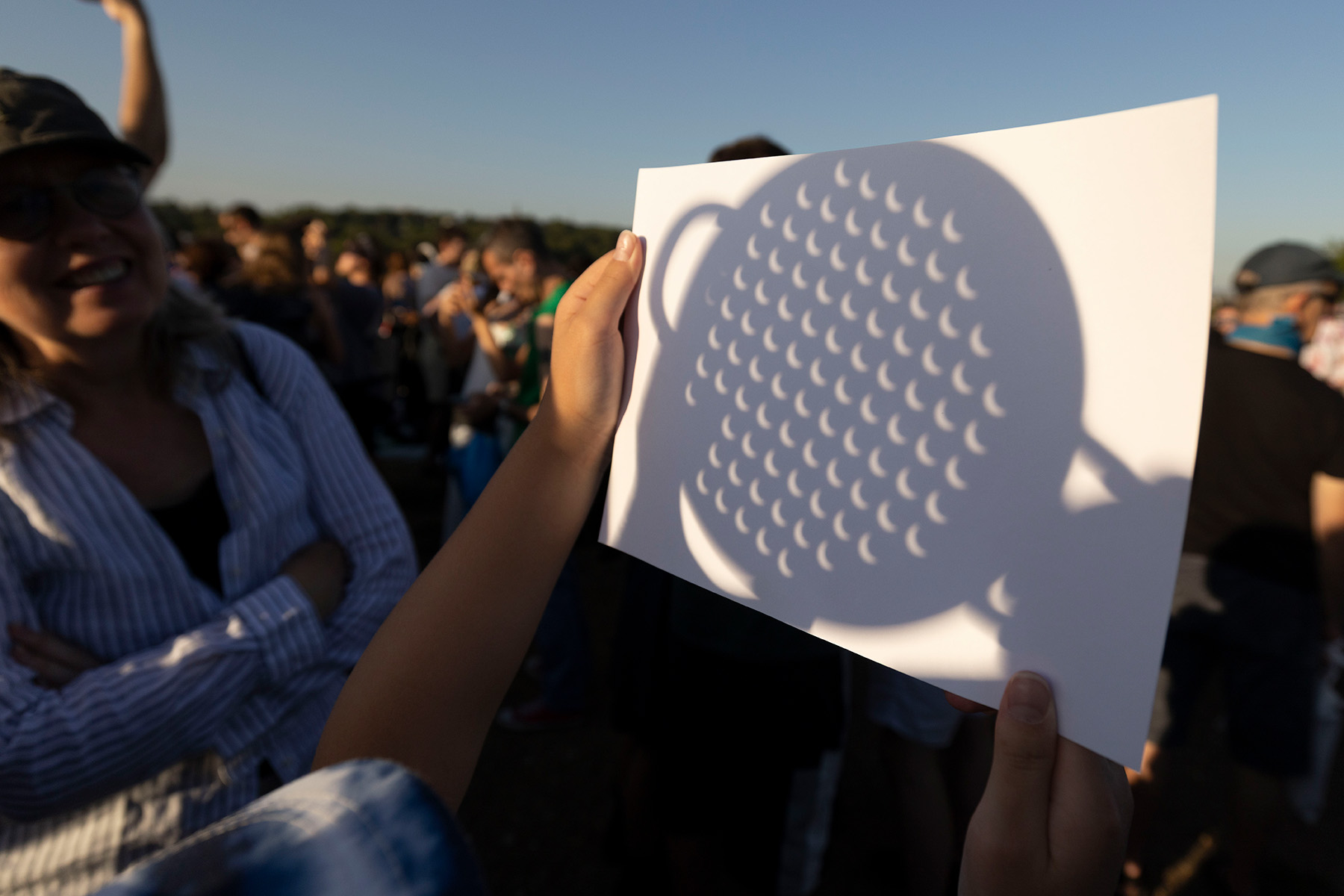
If you find yourself wanting to watch a partial eclipse, but don't have any eclipse glasses, then you can use a colander instead. The light will shine through the holes, projecting the shape of the Sun onto a piece of paper - Credit: Getty
Ibiza, Spain
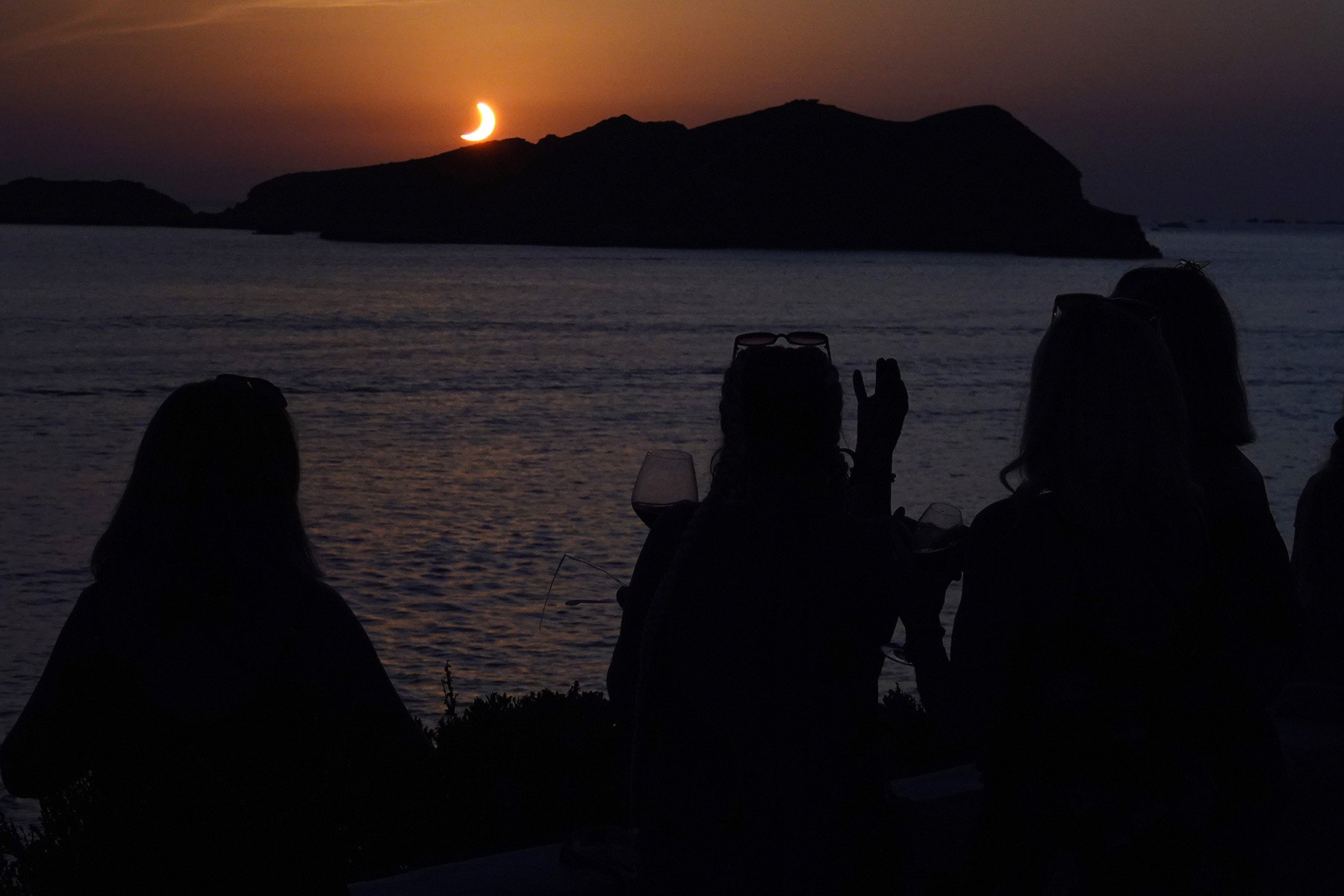
The path of totality ended near the island of Ibiza, off the east coast of mainland Spain - Credit: Getty
Ezzy Pearson is Commissioning Editor at BBC Science Focus. Her first book about the history of robotic planetary landers is out now from The History Press.
This website is owned and published by Our Media Ltd. www.ourmedia.co.uk