
If you're trying to improve your heart health, cholesterol is one of the biggest buzzwords you will likely hear. It is written on food labels, discussed on social media, and you may even have spoken to your doctor about how to manage it.
But that doesn’t mean we all know what cholesterol actually is. In fact, many of us find cholesterol quite confusing. Which is understandable. Over the last few decades, cholesterol science has changed considerably, sometimes directly contradicting previous findings, and leaving a trail of myths and half-truths in its wake.
And that’s a problem. Current estimates suggest that more than half the adult population of the UK and over 47 million people in the US have higher-than-ideal cholesterol levels, putting them at increased risk of heart disease, heart attack and stroke.
With the heart health of so many at stake, we can’t afford to get this wrong. So, let’s get our facts straight. Here are the five biggest lessons everyone needs to know about cholesterol
1. Cholesterol isn't always bad
We all know that too much cholesterol is bad for your heart. It follows, then, that cholesterol itself is a nuisance, right?
Not quite. Cholesterol isn’t inherently good or bad; it’s a waxy, fat-like substance that every cell in your body needs.
Without it, you couldn’t produce important hormones, maintain healthy cell membranes or make vitamin D from sunlight.
The problems with cholesterol come from the fact that it can’t travel through your bloodstream on its own. Instead, it hitchhikes inside tiny molecules called lipoproteins, like little vehicles that cart it around the body.
Some of these molecules, known as low-density lipoproteins (LDL), carry cholesterol from the liver to the tissues that need it.
Others do the opposite. High-density lipoproteins (HDL) act more like a clean-up crew, collecting excess cholesterol from the bloodstream and transporting it back to the liver, for recycling or disposal.
When there are too many LDL molecules – and not enough HDL – cholesterol can start building up in the bloodstream. Eventually, it can become stuck in the lining of your blood vessels and form fatty plaques.
Over time, these plaques can make the walls of your blood vessels harder and narrower – and this increases your risk of heart attack or stroke.
For that reason, HDL cholesterol is sometimes called ‘good’ and LDL labelled ‘bad’. But, in truth, cholesterol is less like a villain or hero, and more like cargo. What matters is who carries it.
Read more:
- Stress is giving you belly fat. Here’s the best way to reduce your cortisol levels
- The one factor stopping you from losing weight, according to a Cambridge professor
- The countries with the lowest (and highest) cholesterol levels in the world
2. High cholesterol foods aren't always unhealthy
To limit the amount of cholesterol in your bloodstream, you may think it’s a good idea to avoid it in your food too. You are what you eat, after all.
But more cholesterol in your food doesn’t automatically mean more cholesterol in your blood. In reality, most of your blood cholesterol is made by your liver, not absorbed from food.
Generally, your liver does a good job of regulating cholesterol levels in your body, producing less when you eat high-cholesterol foods, such as prawns, lobster or offal.

One high-profile example is eggs. For years, these were thought to damage heart health, but recent studies have found that they don’t elevate LDL cholesterol in people's bloodstreams – you don’t have to stop scrambling, frying or poaching your breakfast just yet.
The foods that do pose a risk to your heart health, however, are the ones that impact the functioning of your liver. Red meat and other foods high in saturated fat can inhibit the liver’s ability to regulate LDL and HDL. This can make them fall out of balance, causing cholesterol levels to increase.
Scientists can track the relationship between saturated fat and cholesterol quite clearly. For example, one review found that every additional 50g (1.8oz) serving of processed red meat that a person ate per day was linked to a 42 per cent higher chance of developing coronary heart disease.
3. If you have high cholesterol levels, you might not know
We know that high cholesterol puts you at risk of serious health events, so it makes sense why you might assume that this condition comes with noticeable symptoms.
However, the build-up of cholesterol almost always happens slowly and silently.
“If you have high cholesterol, you’re not going to feel it at all,” Prof Riyaz Patel, a cardiologist at University College London (UCL) previously told BBC Science Focus. “You will only feel it when it’s too late, if it culminates in a heart attack or stroke.”
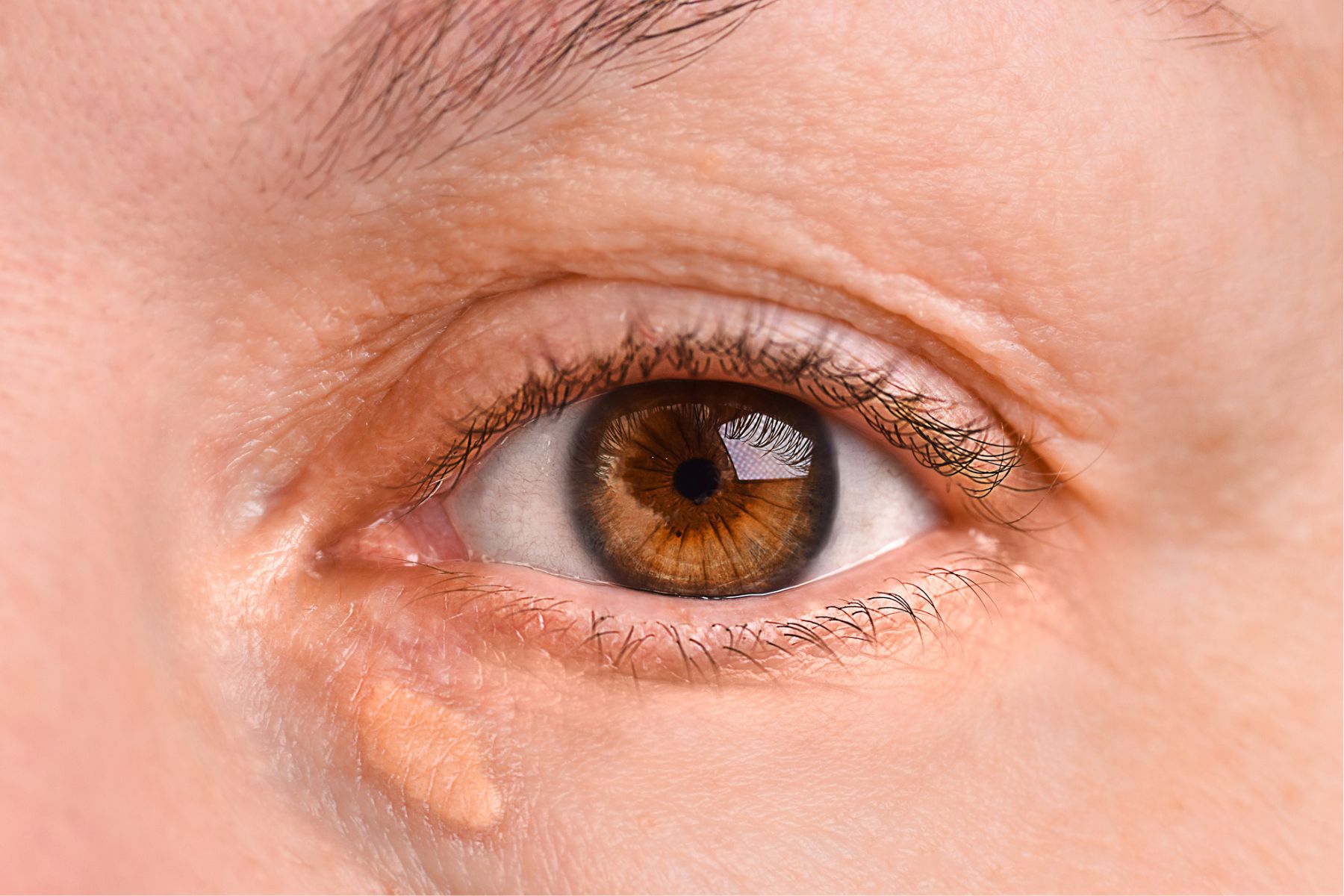
On occasion, familial hypercholesterolaemia (very high cholesterol caused by genetics) can manifest as xanthelasma: small, yellowish deposits under the skin, often near the eyes. These fatty deposits occur where excess cholesterol seeps into the skin.
But for the majority of us, cholesterol won’t send any warning that it’s getting too high. That means the only reliable way to know where you stand is to get tested.
If you’re based in the UK, you are eligible for an NHS health check with your doctor when you hit 40, and then every five years afterwards – or more often if you have high levels.
In the US, the Centers for Disease Control and Prevention (CDC) advises that healthy adults should get their cholesterol checked every four to six years.
4. Thinner people don't always have lower cholesterol levels
Another common myth is that cholesterol levels are directly connected to how much you weigh.
It is true that people with more body fat are at a greater risk of having high cholesterol and later developing heart disease, compared to average-weight individuals.
If that’s you, then losing weight can have considerable benefits. Research shows that overweight adults who lose 5–10 per cent of their body weight – by improving their diet and exercising more – may see clear improvements in their cholesterol levels.
This doesn't mean that all larger people automatically have high cholesterol, nor that all thin people have healthy cholesterol levels.
That’s clear from research on the ketogenic diet – a low-carbohydrate, high-fat eating pattern originally developed to treat epilepsy and that often leads to weight loss.
A 2024 study found that individuals eating a ketogenic diet saw their cholesterol levels skyrocket, even if they lost weight.
“It seems like the way in which you achieve weight loss can influence your cholesterol response,” says study author Prof Javier Gonzalez, from the University of Bath.
In large part, that’s because the ketogenic diet tends to include a lot of saturated fat, which we know can negatively affect how the liver regulates cholesterol.
At the same time, dieters who restrict carbohydrates – including vegetables, fruits, whole grains and legumes – can miss out on fibre, a nutrient that the body uses to get rid of LDL cholesterol.
So, thinness and weight loss aren’t inherently good for your cholesterol levels. It’s all about a heart-healthy diet and plenty of exercise, rather than the size of your jeans.
5. It's generally a myth that statins do more harm than good
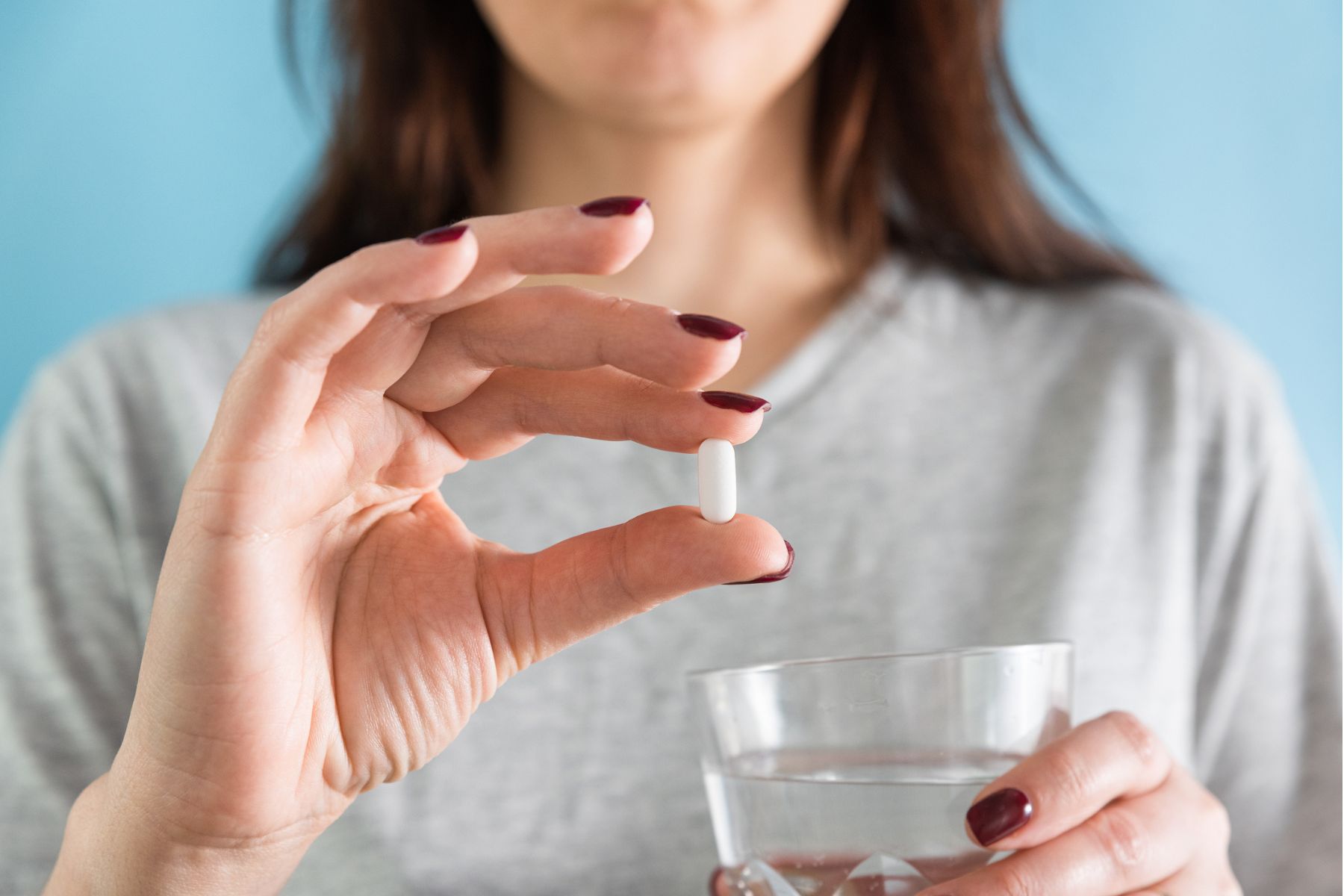
Diet and exercise can help with your cholesterol levels – and so can medication. One of the most common drugs, statins, are currently prescribed to 92 million people in the US alone.
Unfortunately, there are many myths around the medication, leaving many believing the risks outweigh the benefits. As a result, one study found that less than 50 per cent of US adults who were eligible for statins were actually taking them.
Like any medication, there are some minor side effects from using statins, such as headaches, dizziness, nausea, digestive issues, muscle aches or pains, and sleep problems.
But many statin-avoiders are worried about more serious effects, such as diabetes. Statins can slightly raise your blood sugar levels, but even when this happens, diabetes doesn’t necessarily result.
“Diabetes is diagnosed at 48 mmol/mol [blood sugar levels] or above,” says Naveed Sattar, professor of Cardiometabolic Medicine at the University of Glasgow.
“Most people are well below that level, so this small rise isn’t an issue. But for someone who is already very close to the diagnostic cut-off for diabetes, it could nudge them over the line.”
This small rise in blood sugar could also be offset with modest lifestyle changes, such as physical activity, weight loss and improving your diet, Sattar added.
Another popular concern is that statins might cause liver damage – and, again, this isn’t totally unfounded. Statins can slightly increase enzymes in the liver that can lead to irritation or damage.
However, in most cases, these changes are mild and do not lead to serious liver problems. And, as a precaution, your doctor will typically check liver function before treatment begins.
“In most cases, this rise in liver enzymes is small, causes no symptoms, and often settles on its own,” says Dr Christina Reith, associate professor at Oxford Population Health.
“Sometimes your doctor may reduce the dose or recommend stopping taking the statin for a while.”
Quite simply, she added, the benefits of statins – reducing the risk of heart attacks and strokes – far outweighed the risks.
Read more:
