Considering they’re a class of drugs known for making you smaller, GLP-1 receptor agonists are only getting bigger. As many as one in eight Americans are taking drugs like semaglutide, commonly known by their brand names Ozempic and Wegovy.
First developed as diabetes medicines, the drugs have metabolic effects but also suppress appetite, leading to widespread use in recent years as a weight-loss aid.
The results are usually fast and profound. Patients routinely see 15 to 20 per cent reductions in body weight in clinical trials, while the term ‘miracle drug’ comes up a lot in the accompanying news coverage.
But as the evidence mounts, it’s beginning to look as though that term isn’t complete hyperbole.
It’s already very clear that GLP-1s do much more to your body than simply downsize it.
Researchers at the University of Washington reviewed the available evidence and created a list of all the physical effects, positive and negative, that this extraordinary group of medicines seems to have.
There’s no slimming that list down: researchers found no less than 61 separate effects. Quite simply, medicine has never seen anything like it.
“Some people liken them to statins, but statins are not like this,” says Prof Ziyad Al-Aly, lead author of the Washington study. “Statins reduce cholesterol, they have beneficial effects on the heart, and they reduce inflammation, but they don't have this broad, multi-organ effect.
“I’m hesitant to use the word ‘unique’, but it might not be totally inappropriate. This is not an everyday thing we see in the clinic.”
Of the effects that Al-Aly and his colleagues compiled, the majority were positive. They include beneficial effects in…
- Shock
- Aspiration pneumonitis
- Hepatic failure
- Respiratory failure
- Cardiac arrest
- Bulimia
- Schizophrenia
- Pulmonary hypertension
- Post-op respiratory complications
- Liver cancer
- Septicaemia
- Stimulant use disorders
- Pneumonia
- Thromboembolic disorders
- Pleural effusion
- Haemorrhagic stroke
- Chronic phlebitis
- Opioid use disorders
- Inflammatory bowel disease
- Cannabis use disorders
- Bacterial infections
- Acute pulmonary embolism
- Acute kidney injury
- Post-thrombotic sequelae
- Pneumonitis
- Heart failure
- Gangrene
- Alcohol use disorders
- Suicidal ideation
- Seizures
- Chronic obstructive pulmonary disease
- Osteomyelitis
- Myocardial infarction
- Muscle pain
- Fever
- Deep vein thrombosis
- Coagulopathy and clotting disorders
- Ischemic stroke
- Neurocognitive disorders
- Urinary tract infections
- Chronic kidney disease
- Anaemia
There are, however, potential negative outcomes as well, including an increased risk of these 19 health conditions:
- Nausea and vomiting
- Non-infectious gastroenteritis
- Sleep disturbances
- Abdominal pain
- Gastroesophageal Reflux Disease (GERD)
- Nephrolithiasis
- Headaches
- Tendinitis and synovitis
- Arthralgia
- Arthritis
- Gastritis
- Haemorrhoids
- Diverticulosis and diverticulitis
- Bone pain
- Gastroparesis
- Syncope
- Interstitial nephritis
- Hypotension
- Osteoarthritis
“For a lot of people, this is life-changing medicine,” Al-Aly says, “so I understand the enthusiasm behind it. But as a scientist, I look at both sides of the coin, benefits and risks.
"I’ve been humbled myself many times when I assume things about a new drug. I feel we should be optimistic, excited and also, at the same time, cautious.”
An extraordinary experiment
Given the remarkable breadth of effects, researchers are trying to confirm how these drugs actually work. There are currently two leading theories, both of which could be true.
“One possibility is that obesity is the mother of all ills,” Al-Aly says. “It’s a risk factor for heart disease, kidney disease, cognitive problems, depression.”
So when you treat obesity, you don’t just change the number on the weight scales, you lower the risk of multiple interconnected health issues.
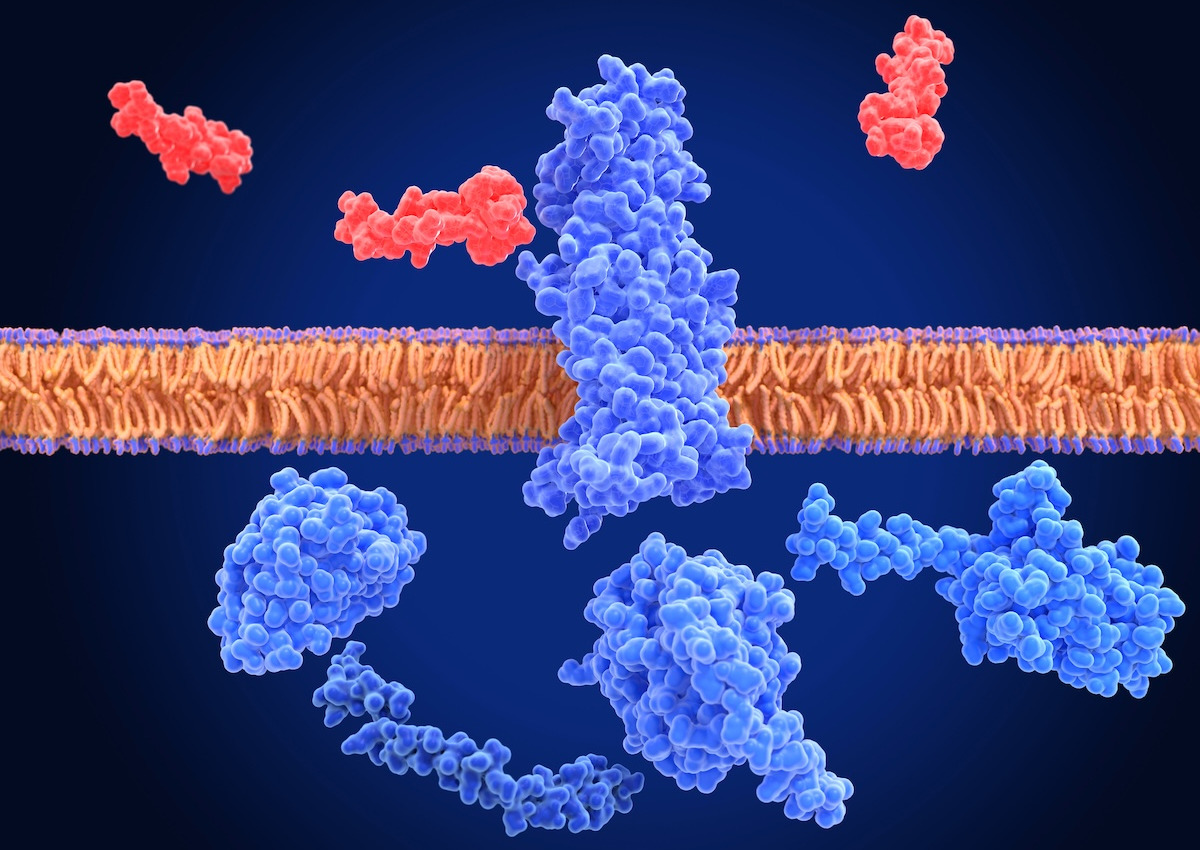
The other theory centres on what the drugs do at a microscopic level. It’s in the name: they are GLP-1 receptor agonists, meaning they attach to GLP-1 receptors on cells around the body.
There, they mimic the effects of GLP-1, a naturally occurring hormone that stimulates insulin and suppresses appetite.
But here’s the thing. GLP-1 receptors are found throughout the body, in many organs, including the brain.
“You can think of them as a key that opens this lock, the receptor,” Al-Aly says. “The idea is that it’s working on multiple different things beyond just purely the metabolic machinery, or diabetes and obesity.”

Whatever mechanisms are at play, both research and adoption of these drugs is moving fast. In the US Medicaid system alone, GLP-1 prescriptions increased sevenfold between 2019 and 2024, while spending rose from about $1 billion (approx. £750 million) to almost $9 billion (approx. £6.75 billion).
There have been supply-and-demand issues, and researchers have also warned of a rapidly growing black market for the drugs.
Vitally, they shouldn’t be viewed as lifestyle products, says Prof Amira Guirguis, chief scientist at the Royal College of Pharmacy.
“What’s really important is that people using these medicines receive proper medical support, clear advice on side effects and prompt assessment if they experience symptoms such as severe abdominal pain or sudden visual loss,” she says.
“The public-health risk is often not the medicine itself, but inappropriate or unsupervised use outside robust clinical care.”
With that in mind, here are eight of the most discussed side effects being observed and studied in GLP-1 drugs. Some are common, some are profound. All of them reiterate that we’re living through an extraordinary medical experiment.
1. Extending longevity
One reason scientists are so fascinated by GLP-1 drugs is that they seem to improve multiple major age-related diseases at once. Traditionally, medicine has treated heart disease, kidney disease, obesity and dementia as mostly separate problems.
GLP-1 drugs are blurring the boundaries.
Researchers increasingly think that ageing itself is partly driven by interconnected systems: chronic inflammation, metabolic dysfunction, mitochondrial stress, vascular damage and compromised cellular repair.
GLP-1 drugs appear to touch many of those pathways simultaneously.
That’s why some researchers have started asking whether these medicines might become the first mainstream ‘longevity drugs’ – not because they make people immortal, but because they may delay the biological deterioration associated with ageing.

The drugs already reduce cardiovascular events and may lower risks connected to other chronic conditions like kidney and fatty liver disease (more on this later).
The insurance firm Swiss Re has predicted that, in the UK, GLP-1 drugs could lead to a 5 per cent reduction in all-cause mortality by 2045. Others suspect the combined effects could ultimately extend your ‘healthspan’, meaning fewer years spent disabled by chronic illness.
That doesn’t mean the science is settled. There’s no definitive evidence that GLP-1 drugs slow biological ageing itself and it’s too early to tell if they add years to users’ lives.
But the fact that one drug class keeps showing benefits across so many organ systems has transformed ageing research. It has also fuelled a growing longevity culture around ‘microdosing’ GLP-1 drugs, despite limited evidence for those approaches.
Read more:
- How to turn down 'food noise' and take back control of your cravings
- The one factor stopping you from losing weight, according to a Cambridge professor
- Inside the radical plan to make weight-loss jabs free for everyone
2. Gastrointestinal issues
‘Ozempic mouth’ is a common, if unexpected, side effect of GLP-1 drugs. Users sometimes report dryness, bad breath and ulcers – all of which stem from broad gastrointestinal effects of the drugs including vomiting, diarrhoea, constipation and reflux.
“GI disorders are generally benign and well-tolerated,” says Al-Aly, “but they occur across the gastrointestinal tract, all six metres (16ft) of it.”
The drugs slow gastric emptying, he says. “The stomach doesn’t move and people accumulate gas. You may get a reflux, and that could irritate the GI tract and produce heartburn. There could also be some abdominal discomfort like constipation.”
These effects are a price that many users are willing to pay, but Al-Aly says that patients and clinicians should also be aware of rare, more serious effects such as pancreatitis. “This is a serious condition that lands people in the hospital and, in some instances, it can lead to death.”

Researchers stress that it’s an uncommon side effect, but symptoms to watch out for include intense upper abdominal pain.
3. Mental health
GLP-1 drugs can take users on something of a rollercoaster. “Significant weight loss can bring emotional changes as well as physical ones,” says Guirguis.
There were early reports that the drugs may increase the likelihood of suicidal thoughts, but Guirguis has published research that found no such link. That’s not to say there aren’t reasons to be vigilant, she says.
“Some people may feel better physically, yet still struggle with body image, self-perception or anxiety about appearance. Obesity is already closely linked with stigma, distress, depression, anxiety and reduced quality of life, so treatment is taking place within a much wider emotional and social context.”
Conversely, there are potentially some mental health benefits.
“A 2025 review published found no increase in psychiatric side effects in people taking GLP-1 medicines compared with placebo,” Guirguis says. “It also found some improvements in quality of life and eating-related behaviours.”
Al-Aly adds that there are some reports, mostly anecdotal, of different kinds of psychological effects, such as reductions in sexual desire, initiative and competitiveness in sports.
Researchers have discussed the possibility that as well as suppressing appetite, GLP-1 drugs affect motivation more broadly by suppressing the brain’s dopamine reward system.
4. Chronic pain relief
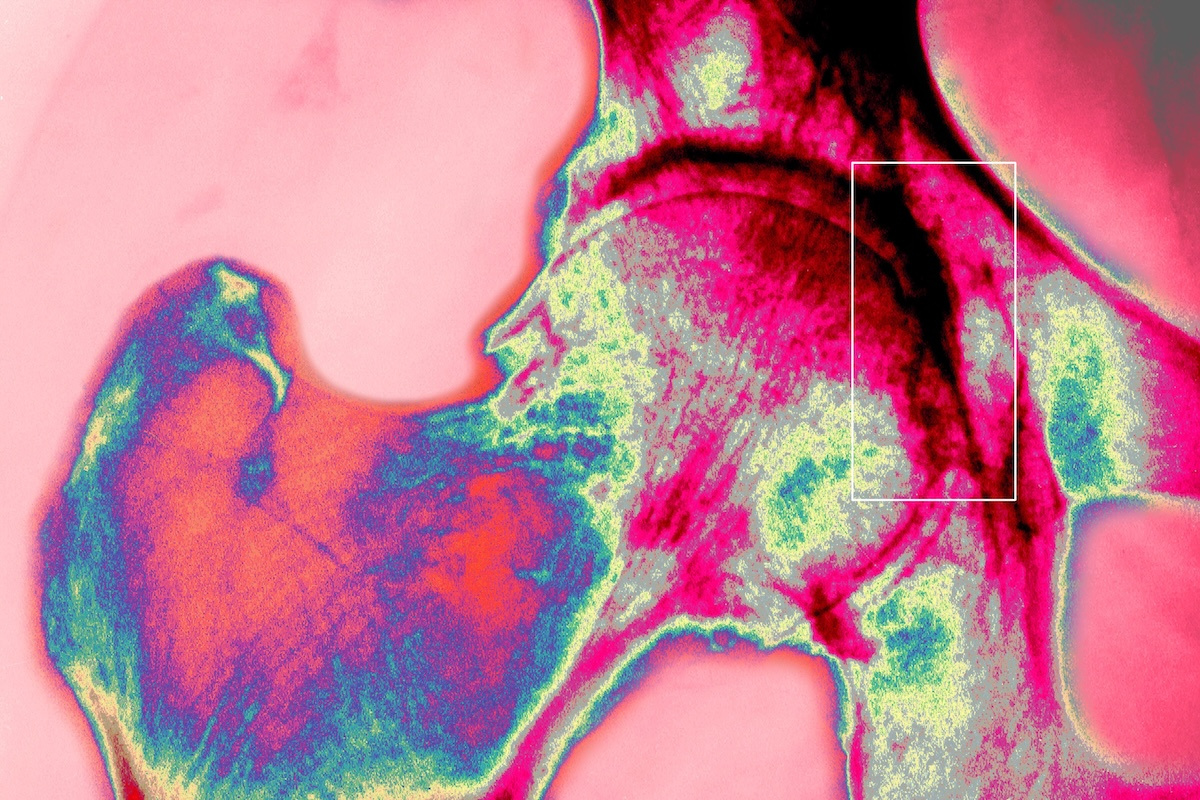
GLP-1 drugs were not designed as painkillers, yet some patients report dramatic improvements in chronic pain conditions. A 2025 review of evidence found widespread improvements in inflammatory pain linked to obesity, arthritis and metabolic disease.
Part of this is mechanical. Losing significant weight reduces pressure on joints, especially the knees and hips. That alone can transform osteoarthritis symptoms. But there are hints that something more biologically interesting may also be happening.
GLP-1 drugs appear to reduce systemic inflammation, something that’s increasingly recognised as a major driver of persistent pain.
Some studies suggest the drugs may influence inflammatory signalling molecules throughout the body, potentially affecting pain sensitivity itself.
Researchers are now exploring links between GLP-1 pathways and osteoarthritis, neuropathic pain and inflammatory disorders.
This is exciting because chronic pain medicine has stagnated for years. Many current treatments either work poorly or can lead to opioid addiction.
If GLP-1 drugs prove capable of reducing inflammatory pain through metabolic pathways, they could reshape how scientists think about chronic pain altogether.
There is also evidence of reduced migraine frequency and improved autoimmune-related pain.
As with a lot of GLP-1 effects, the research on pain is early and much of it comes from small studies or in people with obesity or other co-morbidities (conditions that occur simultaneously). More research and bigger studies are needed in otherwise healthy individuals.
5. Better brain health
One of the strangest twists in the GLP-1 story is that drugs designed for diabetes may help to treat or prevent neurodegeneration.
In April 2026, researchers at Anglia Ruskin University published a review of 30 studies looking at results in cell cultures and animal models.
They found that a number of GLP-1 drugs reduce the build-up of telltale proteins in the brain that are linked to dementia: beta-amyloid and phosphorated tau.
Six months earlier, another research group had published promising results in humans.
Using an older GLP-1 drug called liraglutide, they found that patients with mild to moderate Alzheimer’s disease saw slower decline in cognitive function and reduced shrinkage in parts of the brain linked to cognition and memory. But what could be driving the effects?
Well, GLP-1 receptors are found throughout the nervous system, raising the possibility that these medicines have direct effects on brain cells.
Perhaps more likely is an indirect relationship, says Dr Riccardo Di Giorgi, a researcher at the University of Oxford who has also found promising cognitive signs in patients who use the drugs.
“We don’t have definitive answers, but there is growing, accumulating evidence that anti-inflammatory mechanisms and brain metabolism mechanisms might explain the beneficial effects that we are seeing,” he says.
The biology here is intriguing because researchers increasingly suspect neurodegenerative diseases are partly metabolic diseases of the brain.
Impaired insulin signalling, chronic inflammation and disrupted cellular energy systems may all contribute to dementia and other neurological conditions like Parkinson’s.
It’s not all good news, however. Another human trial published in The Lancet this year found no effect in slowing the progression of Alzheimer’s.
Meanwhile, in late 2025, Danish pharmaceutical company Novo Nordisk (the makers of Ozempic and Wegovy) announced they had found no reduction in Alzheimer’s progression from early trials of semaglutide.
6. Lower bone density and muscle mass
Another persistent concern around the rapid weight loss driven by GLP-1 drugs is that the body doesn’t just lose fat. People can also lose substantial amounts of lean mass, including muscle and potentially bone density.
That worries researchers because muscle is metabolically important, especially as people age. Losing too much can increase frailty, reduce strength and worsen long-term health outcomes.

Some studies suggest that 25 to 40 per cent of weight lost on GLP-1 drugs may come from lean tissue. This has triggered a wave of interest in ‘muscle-preserving’ obesity drugs and combination therapies.
“It’s very, very hard to regain bone mass and muscle mass after age 50,” Al-Aly says. “You lose bone mass and muscle mass, and you probably are not going to get that back again.
"I do worry whether we’re creating a generation of potentially frail people who have thinner bone mass and thinner muscle mass 10 years down the road. That’s just a hypothesis – I don’t know that it’s happening, but these are the sorts of things that I think about.”
It has also shifted clinical advice around GLP-1 use. Doctors increasingly emphasise resistance training, high protein intake and slower, more sustainable weight loss rather than simply maximising the drop on the scales.
7. Healthier liver and kidneys
Some of the most clinically important effects of GLP-1 drugs may occur in organs most people rarely think about: the kidneys and liver.
In kidney disease, the drugs appear to reduce inflammation, improve blood-vessel function and lessen metabolic stress on the kidneys.
Chronic kidney disease is one of the world’s fastest-growing causes of death, and once the kidneys are badly damaged there are limited treatment options short of dialysis or transplant.
That’s why researchers were excited when GLP-1 drugs began showing protective effects in large cardiovascular and diabetes trials.

The liver findings may be even more striking. Fatty liver disease affects hundreds of millions of people globally and is increasingly a leading cause of liver failure.
Historically, doctors had few effective treatments beyond advising weight loss, but semaglutide trials showed major reductions in liver fat, inflammation and the progression of fibrosis (the excessive build-up of scar tissue).
Then, research published by Spanish researchers in 2026 found something even more promising: some liver benefits seem to occur independently of weight loss itself.
Indeed, emerging evidence suggests GLP-1 drugs may directly affect liver cells and inflammatory pathways, again hinting these medicines are doing much more than simply helping people lose weight.
8. Vision issues
Vision loss is a well-established complication of diabetes, but it can also be a side effect of the GLP-1 drugs developed to treat it. Diabetic retinopathy is a condition where high blood sugar causes damage to blood vessels in the retina.
It’s one of the most common forms of vision loss in working age adults.
Early studies of semaglutide found that some patients with pre-existing diabetic eye disease experienced worsening symptoms. Researchers think this may partly happen because blood sugar can improve so rapidly that delicate retinal vessels struggle to adapt.
More recently, there has been growing attention on reports of other possible vision problems, including in people who take GLP-1s for weight management rather than diabetes.
“The clearest current signal is around semaglutide and a rare eye condition called non-arteritic anterior ischaemic optic neuropathy, or NAION, which causes sudden visual loss,” says Guirguis.
“UK regulators updated semaglutide product information in February 2026 to reflect this very rare risk and advise urgent medical assessment if someone experiences sudden or rapidly worsening vision loss.
“At the moment, we still don’t fully understand what is driving it. There’s enough evidence for regulators to take the signal seriously, but not yet a complete scientific explanation for why it may happen.”
This also reflects the larger reality and the speed of the GLP-1 era: medicine is still discovering just how many systems these drugs influence.
Read more: