
Weight loss medications may make your nails more likely to fall off, new research has suggested.
In a study of almost 2,000 people, which has not yet been peer-reviewed, researchers found those taking GLP-1 drugs were more than four times more likely to experience nail detachment than those who did not.
Even when the researchers factored in the effect of individual age, sex, country and medical background, nail detachment was still at least twice as common among GLP-1 users.
Overall, 66 per cent of people taking GLP-1 drugs reported at least one problem with their nails, compared with 53 per cent of non-users. Nail discolouration was particularly common, affecting 46 per cent of GLP-1 users compared with just 17 per cent of non-users.
“Until now, nail changes associated with GLP-1 therapies had essentially been anecdotal,” said Dr Charles Taïeb, who co-authored the study and presented it at the 2026 European Academy of Dermatology and Venereology Congress.
“Our findings show a clear association, but they also underline an important point: not everything that happens during GLP-1 treatment is necessarily caused by the treatment itself.”
The researchers caution that GLP-1 drugs may not directly cause these nail changes. Instead, they could be an indirect effect of the rapid weight loss and reduced food intake that can come with taking the drugs.
Losing weight quickly, eating less, and being deficient in nutrients such as protein, iron and zinc can all disrupt nail growth, Dr Christos Tziotzios – a consultant dermatologist at Guy’s and St Thomas’ Hospitals in London, who was not involved in the research – told BBC Science Focus.
In some cases, he explained, this can cause the nail to loosen and lift away from the skin underneath.
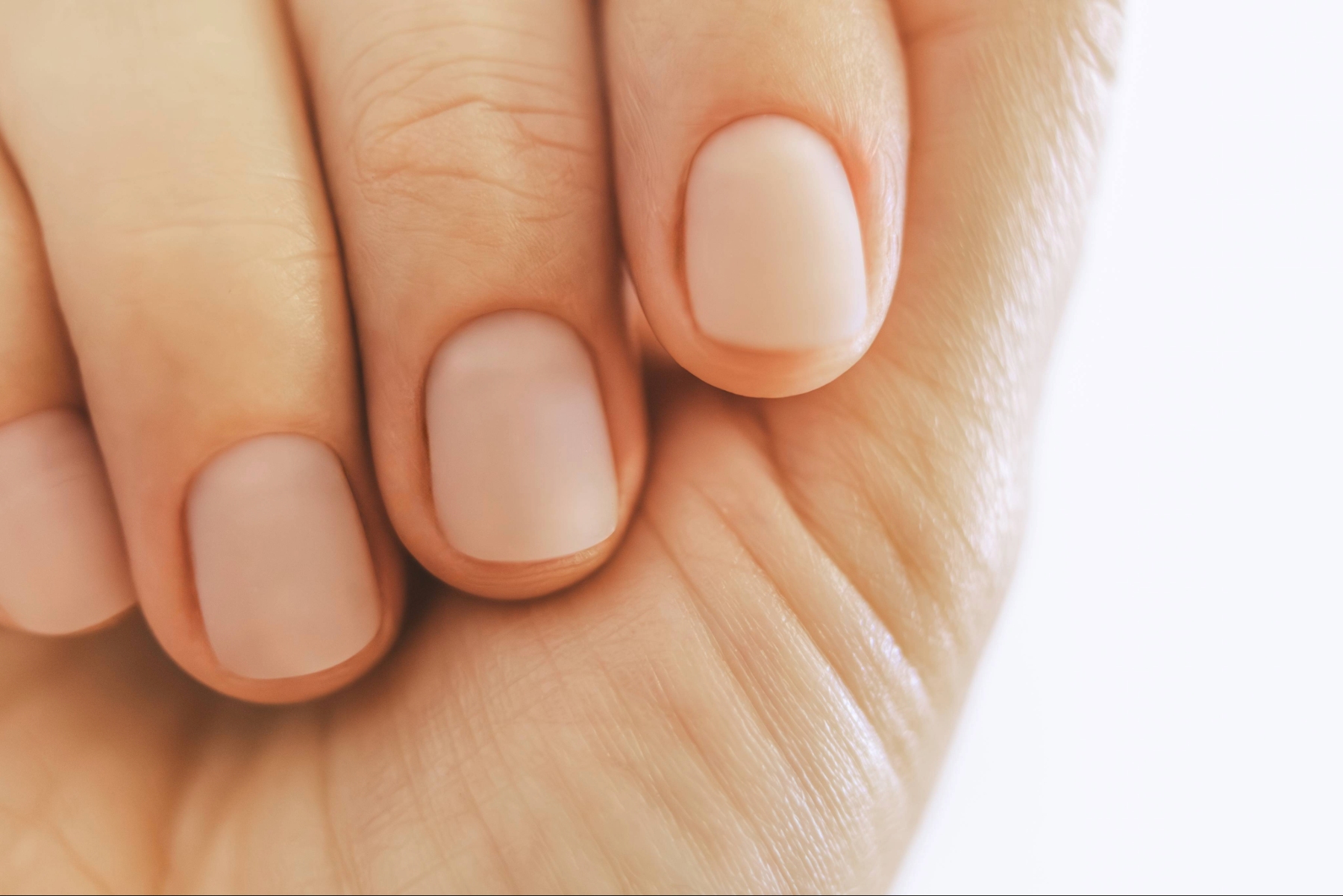
In total, the study looked at more than 1,900 people across France, the US, Brazil and Mexico. Of these, 575 were taking GLP-1 drugs, while the rest had obesity and/or type 2 diabetes but had never used the drugs.
A separate study of the same group found that people taking GLP-1 drugs were also more than twice as likely to develop hair loss.
Overall, 26 per cent of GLP-1 users reported new hair loss, compared with 12 per cent of non-users. Most GLP-1 users affected by hair loss also experienced problems with their scalp, including itching, redness or flaky skin.
“This suggests that what is happening on the scalp may go beyond the classical shedding seen after rapid weight loss and involve an inflammatory component,” explained study co-author Dr Bruno Halioua.
“Scalp inflammation was the rule rather than the exception, which clinicians do not currently look for and which may be treatable.”
Tziotzios stressed, however, that a direct effect of GLP-1 drugs on hair and nail changes “remains unproven”. The studies show an association, he said, but cannot establish cause and effect.
According to Tziotzios, the hair loss could instead be ‘telogen effluvium’ – a common, temporary condition in which physical stress on the body, such as rapid weight loss, causes more hair than usual to shed.
He added that any hair and nail changes after weight loss usually recover, though fingernails can take around six months to regrow and toenails even longer.
For people prescribed GLP-1s for diabetes, weight management or to reduce cardiovascular risk, Tziotzios said the benefits outweigh these potential side effects: “Nobody should stop treatment because of this research.”
Read more:
