
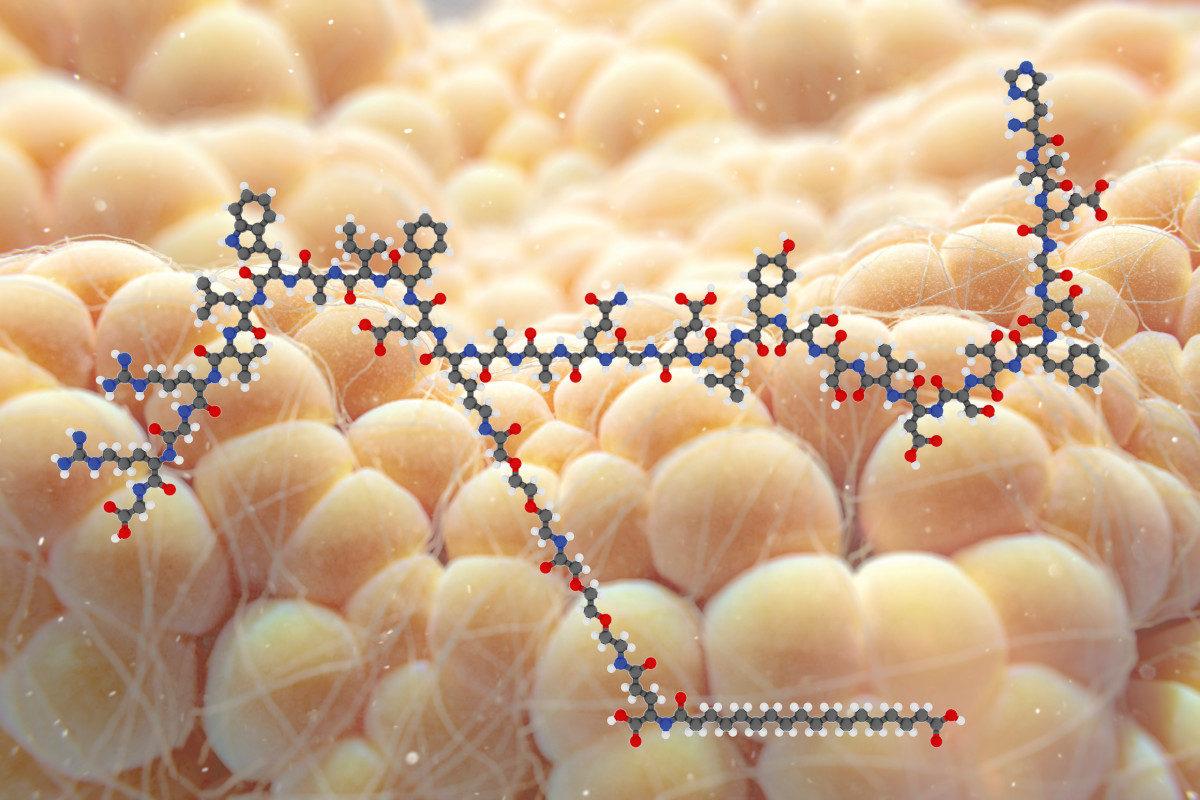
Today's weight-loss drugs work by changing how much we eat. Ozempic, Wegovy and the like – the GLP-1s – reduce our desire to eat by interfering with the hormones involved in blood sugar, appetite and feeling full.
Put simply, they make it easier to stick to a diet.
Cue the next generation of weight-loss drugs, which promise to do something radically different. Right now, drug companies are testing drugs that won’t necessarily change how much food we eat, but rather what our bodies do with that food.
These new drugs target the metabolic pathways governing how our bodies burn and store energy. Essentially, they alter the mechanics of the engine rather than how much fuel goes into it.
Manufacturers say these new drugs could help people keep the weight off for longer while avoiding the muscle wastage that comes with GLP-1s.
‘Could’ is the key word here, though, because none of these drugs have been widely tested on humans – yet. Although they’re now starting to make it into smaller trials.
Will we see GLP-1s swept to the side as a new wave of weight-loss medications races to the market? Or is there a place in the world for both?
Muscling in
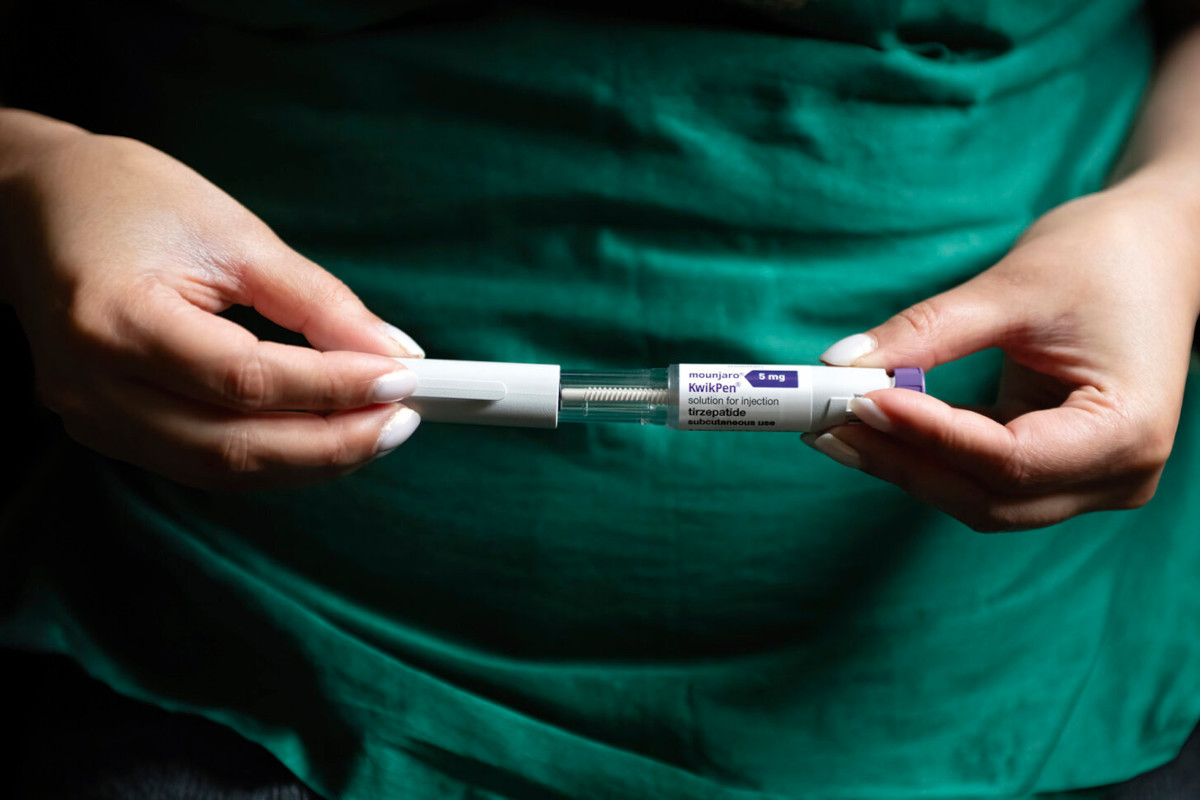
“Current GLP-1 drugs like semaglutide [Ozempic and Wegovy] and tirzepatide [Mounjaro] are genuinely impressive. They can help people lose 15–20 per cent of their body weight,” says Prof Maria Dalamaga, who specialises in laboratory medicine and clinical biochemistry at the National and Kapodistrian University of Athens in Greece.
“But they have some important limitations,” she adds. One such limitation is that when people stop taking GLP-1s, their food intake usually shoots back up, so any weight they’ve lost returns quickly.
The main problem, however, is that GLP-1-fuelled weight loss isn’t just fat. About 25–40 per cent of it is ‘lean mass’ – muscle.
It’s a similar proportion to what we see with conventional diets, because, like low-calorie diets, GLP-1s work by reducing our food intake. But why does this calorie-cutting approach waste away muscle?
According to scientists, it’s an energy-saving strategy we’ve inherited from our ancestors. Muscle burns more energy than fat at rest, so shedding it may once have helped humans survive starvation.
What this means is that losing weight while maintaining a healthy body composition is hard – our bodies would somehow have to override their default muscle-wasting programme. And that’s what scientists making the next generation of weight-loss drugs are trying to do.
“I think we have to take our eye off the magnitude of weight loss. That’s not as important as quality [of weight loss],” says Dr Mark Sleeman, head of obesity, muscle and metabolism research at Regeneron Pharmaceuticals in New York, in the US.
“We want patients to have quality weight loss, so [they can] decrease their fat, have proper storage of [their remaining] fat and preserve muscle.”
In 2022, Sleeman’s team uncovered a link between obesity and a signalling molecule known as Activin E. They found that people who made short versions of the Activin E protein – due to mutations in the Activin E gene – had a healthier body type and tended to store less fat around their waists and hips.
Realising the potential of blocking Activin E, the team investigated further. Through tests on mice, they managed to show that Activin E proteins are messengers that allow the liver to talk to the body’s fat stores via fat cell receptors.
“They act on the fat-storing cells to modulate how you store fat,” Sleeman explains. “If you eat too much food, you have to have somewhere to store it, so you put it in your fat. [Activin E] is one of the secreted factors that’s able to regulate where you store your energy.”
Targeting Activin E, then, could prevent fat hoarding, allowing more of it to be converted to energy so that – hopefully – the body resorts less to breaking down muscle.
However, while most of Regeneron’s therapies use antibodies to block proteins, it hasn’t yet announced human trials of any Activin E blockers.
Sleeman says his team wants to fully understand what the messenger and its receptors do first.
Gene slicing
Other companies are trying a different approach to stop the messages from getting through to fat tissues.
US companies Arrowhead Pharmaceuticals and Alnylam both make gene-silencing therapies that take out specific proteins at their source.
The medicines target the DNA sequences coding for the proteins using short stretches of RNA – known as siRNAs (small interfering RNAs).
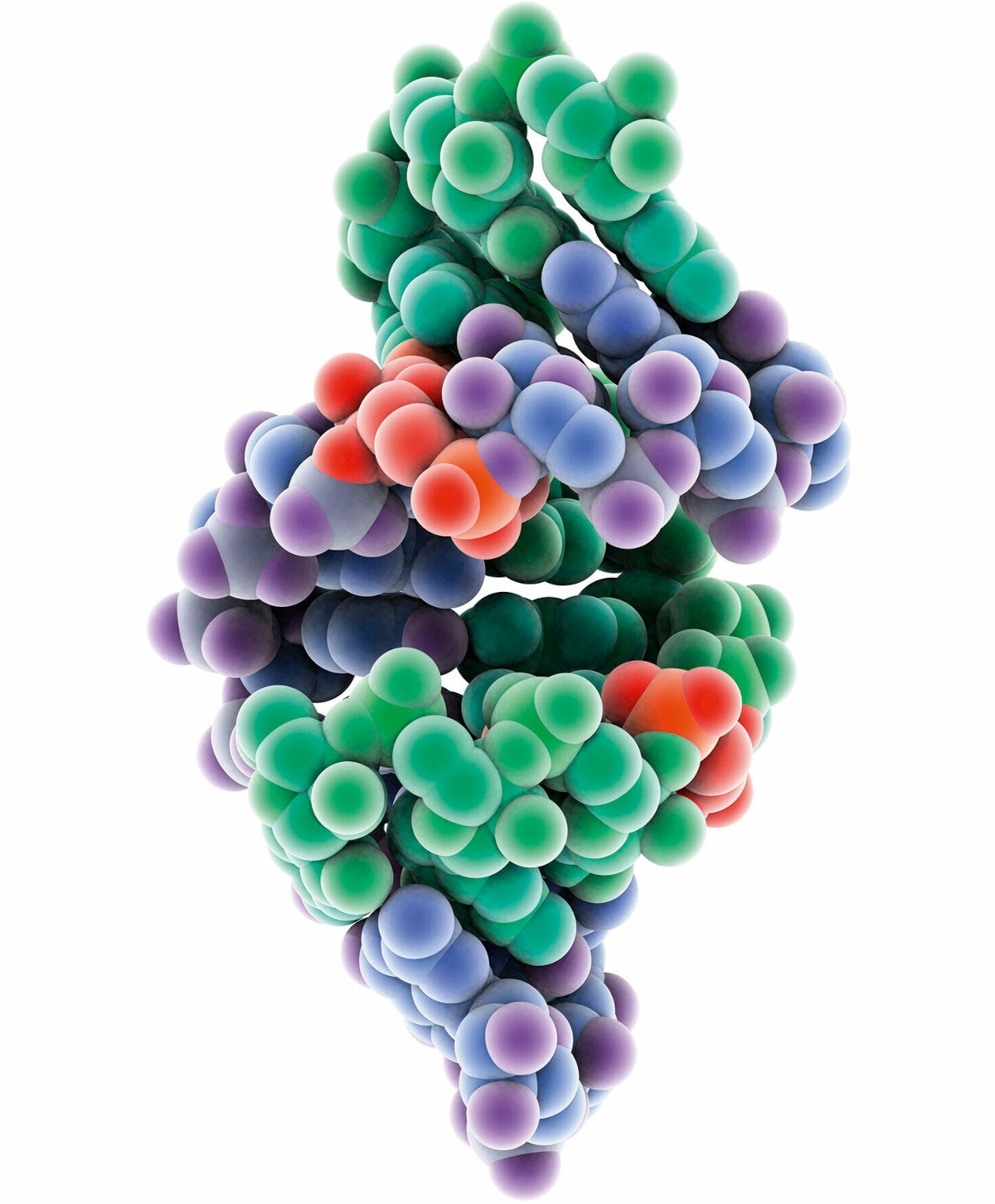
It’s like “turning off the faucet” for these signalling proteins, explains Dr James Hamilton, Arrowhead’s chief medical officer and head of research and development.
The California-based company has two drugs targeting the Activin E pathway in human trials – one (ARO-INHBE) targeting the Activin E gene itself and the other (ARO-ALK7) targeting the gene for its receptor, ALK7, on fat cells.
Although these are early trials, looking at effects in less than 100 people each, so far the results look promising.
“We’ve seen in some of our early clinical trials that targeting the [Activin E] pathway might have benefits specific to visceral fat, which is the most problematic fat – it’s the fat that accumulates around organs, which is inflammatory and can predispose people to things like type 2 diabetes,” Hamilton says.
Preliminary data shows patients drop 14 per cent of their visceral (‘belly’) fat within eight weeks on a single dose of ARO-ALK7.
What’s more, early data from the ARO-INHBE trial suggests the drug could actually prevent muscle loss altogether.
An advantage of this gene-silencing approach compared to antibody therapies is that the effects could last several months, Hamilton says.
And compared to the current generation of GLP-1s, most of which are injected weekly, that’s a big benefit.
There’s a caveat, though, as Dalamaga points out. “They may require less frequent dosing [but]… they’re not quickly reversible if an unexpected problem appears.”
In the past, she adds, there have been concerns about the effects of gene-silencing drugs on the liver, for example, or how they might inadvertently switch off non-target genes that have similar DNA sequences.
While modern drug designs have improved, extended trials will be needed to show that Activin E can be safely switched off for longer periods.
Read more:
- 'An extremely exciting milestone!': landmark treatment slashes cholesterol by 62% with a single dose
- Can you avoid getting 'Ozempic face'?
- The 3 rules your diet needs to actually work, according to a Cambridge professor
Body comms
Activin E isn’t the only activin, however. There’s a handful of others, some of which also talk to fat cells, as well as an array of receptors that bind to varying combinations of them.
Their roles extend beyond metabolism, but if drug manufacturers can unravel the activins’ complex communications to learn how they target fat loss and muscle preservation, they’ll be on to a winner.
Regeneron has been working on doing this for decades. Alongside its research on Activin E, the company is already in clinical trials with garetosmab, an antibody that blocks Activin A – an activin with a role in fat cell development.
In 2025, Regeneron also published results of a trial in postmenopausal women, where researchers paired garetosmab with another antibody (trevogrumab) that blocks myostatin, a key protein driving muscle wasting.
Together, the two drugs increased women’s thigh muscle volume while decreasing fat mass.
“That was a very pivotal early study,” Sleeman says, adding that sarcopenia – age-related muscle loss – is important in both men and women.
Components of activin receptors are also the target of bimagrumab, an antibody originally developed by Mounjaro’s US manufacturer Eli Lilly to treat muscle-wasting disorders, but now in mid-stage clinical trials to test its safety and efficacy as a weight-loss drug.
Results published in 2026 suggest the drug strips fat almost as fast as a GLP-1 (semaglutide).
But where it may excel is in preserving muscle – those on bimagrumab lost barely 1 per cent of their lean mass compared to 5–7 per cent in those who took GLP-1.

Interestingly, though, the best results were seen in those who took both drugs (bimagrumab and semaglutide). They lost more fat than with either drug alone – over a third of their belly fat – while still only sacrificing 1–2 per cent of their lean mass.
According to Dalamaga, who covered bimagrumab in a recent review, multiple new trials are now recruiting people to test the drug in combination with tirzepatide (Mounjaro). But there may still be a call for taking the drug on its own.
“For someone who doesn’t tolerate GLP-1 drugs, or an older person where preserving muscle is a major priority, a metabolism-focused drug on its own could make sense, even if the number on the scales doesn’t drop as dramatically,” she says.
If there’s a concern, it’s that bimagrumab blocks components of receptors involved in transmitting messages for multiple activin pathways. And activins don’t just talk to fat cells.
So, while side effects in early trials have been limited mainly to muscle spasms, acne and diarrhoea, Dalamaga suggests we need to watch out for more dangerous ones.
“So far, the available trial data has been generally reassuring, but we’re interfering in a system whose full range of actions we don’t completely understand,” she warns.
Activins are known to be involved in important processes like reproduction, immunity, wound healing and more.
The same concerns could be extended to metabolic ‘master switches’ that some companies are trying to flip to reset metabolism in an even broader way.
Biotech company Resalis Therapeutics, based in Turin, Italy, for instance, is testing RES-010, a drug that targets a well-studied genetic switch known as miR-22.
A metabolic regulator, miR-22 is a short piece of natural RNA that can control various metabolic pathways – some of which cross over with activin pathways.
From a drug manufacturer’s perspective, perhaps its most interesting quality is that it suppresses messages promoting conversion of fat-storing tissue to fat-burning tissue.
Thus, switching it off should be metabolically beneficial.
“[RES-010] changes the way in which the body uses fats, boosts the production and activity of mitochondria – the ‘batteries’ that power cells – and helps convert white fat (which stores energy) into brown fat (which burns it),” Dr Riccardo Panella, chief scientific officer at Resalis, told a meeting of scientific experts discussing diabetes in Vienna, Austria last September.

Thus far, however, the best data came from a recently-ended Phase 1 trial (which Resalis would not comment on) and studies in non-human primates.
In the primate studies, animals lost close to 15 per cent of their body fat on both RES-010 and semaglutide over 10 weeks, but just 1 per cent of their lean mass with RES-010 versus 8 per cent with semaglutide.
Resalis claims that the fundamental action of its drug should reduce the likelihood of weight regain.
But while animals did have less rebound compared to the GLP-1, the follow-up period appears to have been just four weeks.
A combined approach
This brings us back to the first problem with GLP-1s and the question of whether any of these new metabolism-altering approaches – either alone or paired with a GLP-1 appetite modifier – can delay the inevitable regain when patients stop the drugs.
“A good balance between reducing food intake and increasing energy expenditure would be a very sound approach, and I think it’d be more prolonged,” says Sleeman, hinting that combined appetite-and metabolic-changing approaches look promising.
Meanwhile, Dalamaga says it’s too early to presume that stopping any obesity drug would lead to lasting results without ongoing treatment.
And Hamilton expresses only cautious optimism about slower weight regain based on “interesting animal studies” at other companies.
Nevertheless, we may soon start to learn more about the power of metabolic modification as drug makers test a new generation of GLP-1s mixed with other molecules.
Eli Lilly’s experimental retatrutide (‘Triple G’), for example, combines GLP-1 with two other hormones – GIP and glucagon, which is partly intended to help people burn more fat.
Very recent trials also suggest that even approved, dual-action drugs like Mounjaro (GLP-1 plus GIP) drive ‘browning’ of unhealthy white fat to improve metabolism – although how they do this is currently unclear.
Whether this refocusing of the weight-loss market towards healthier metabolism is ultimately of benefit remains to be seen.
In a sense, worrying less about what we put in our mouths – because we’ve changed what our bodies do with it – could mean people pay less attention to healthy eating.
Dalamaga, however, is less cynical. “I wouldn’t frame it [like that],” she says. “The real goal is to make obesity treatment healthier and more biologically complete, while still recognising that nutrition, physical activity and resistance exercise remain important for long-term health.”
The broader point, she says, is that the field is moving away from judging success purely by total weight loss and towards an ideal of better body composition.
Read more:
- 'It gives people more time to think': The strange effect of GLP-1s that's puzzling experts
- 'We have no freaking clue' what weight-loss drugs are doing to your brain, warns Cambridge professor
- 'There's going to be a lot of unexpected babies': the side effect of GLP-1s nobody is talking about, according to a Cambridge professor
