Science has significantly improved life expectancy and quality of life around the world, by treating diseases, enabling new medical procedures and improving nutrition.
Here are five of history’s most life-saving scientists.
1. Maurice Hilleman
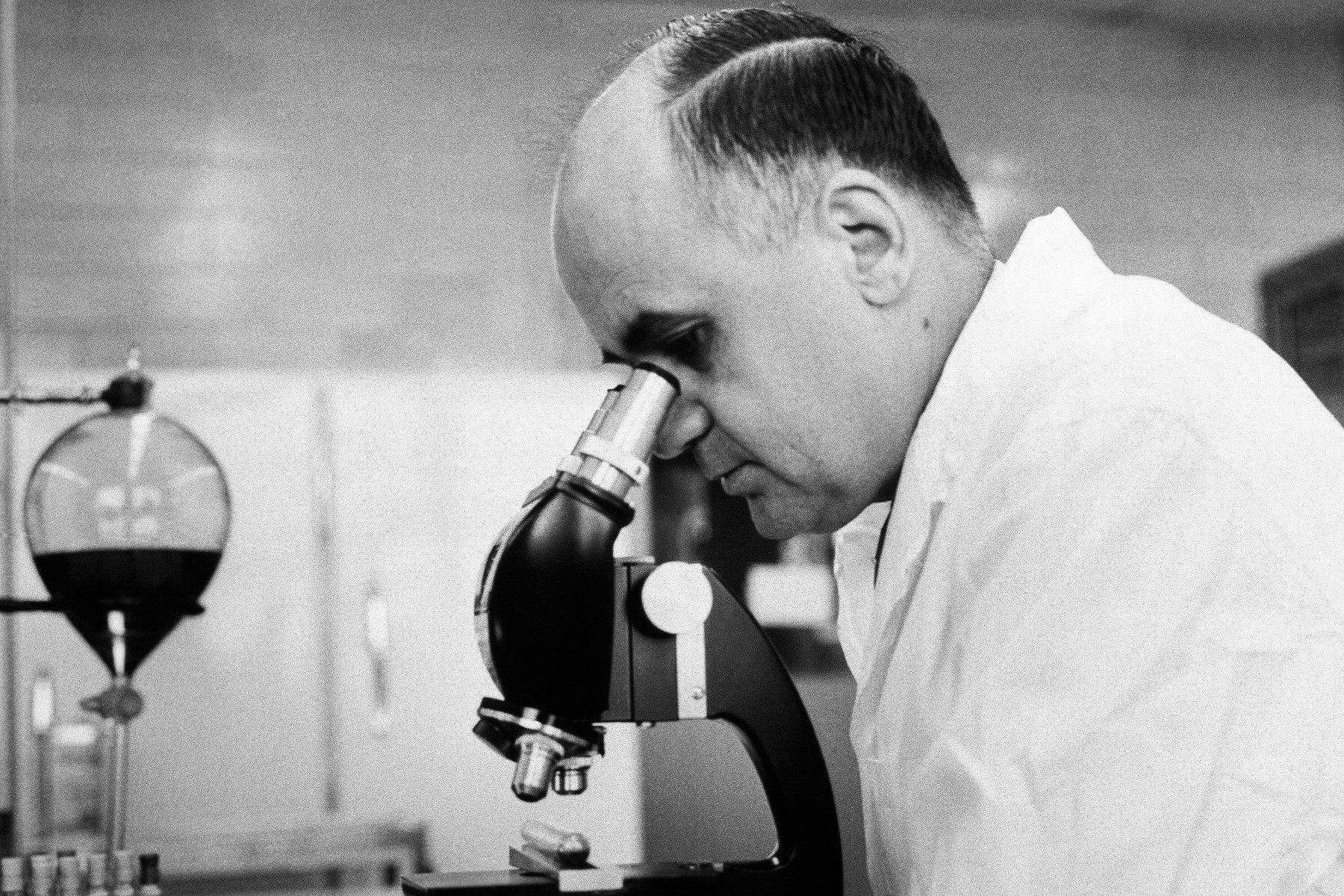
American virologist Maurice Hilleman developed 40 vaccines during his career, including those for mumps, chickenpox, meningitis and measles. His vaccines are credited with saving over 130 million lives.
He also discovered that influenza viruses mutate, altering the proteins that the body uses to identify them and mount an immune response. This led to the development of annual flu vaccines.
And in 1957, he anticipated a potential flu pandemic and quickly developed a new vaccine, limiting the severity of the outbreak.
2. Alexander Fleming
Perhaps the greatest accidental discovery of all time happened in 1928, when Scottish microbiologist Sir Alexander Fleming returned from holiday to find that one of his Petri dishes of bacteria had been contaminated with mould.
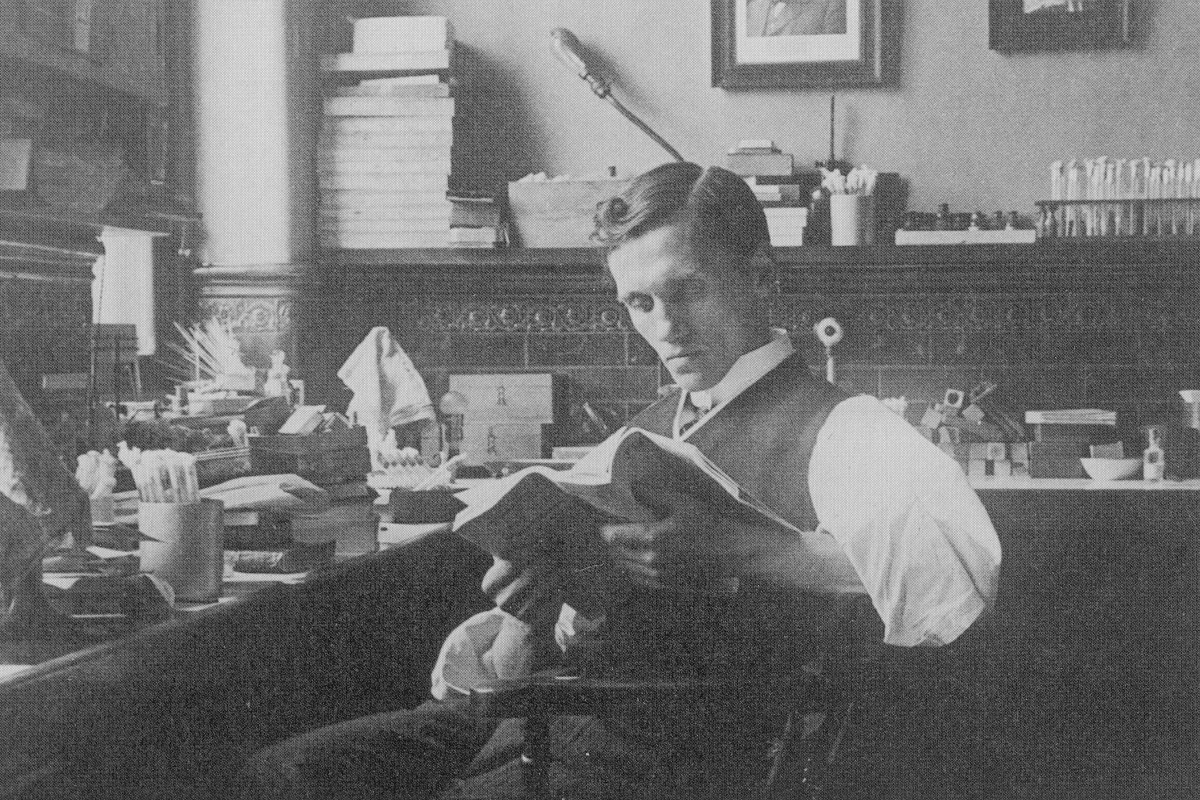
Noticing that there was a bacteria-free zone around the mould, he realised that it must be releasing a substance that inhibited bacterial growth.
He discovered that the substance, which he named penicillin, could kill a variety of harmful bacteria. But he struggled to isolate and purify it for medical use.
Over a decade later, Australian pharmacologist Prof Howard Florey, along with colleagues, finally managed to purify penicillin, and the antibiotic has since saved over 200 million lives.
Read more:
- Epidemiology: the history of disease and epidemics (Part I, pre-20th Century)
- Epidemiology: the history of disease and epidemics (Part II, post-20th Century)
- The experiment that proved bacteria caused disease
3. Sir Frederick Banting
Diabetes is a group of diseases that impair the body’s ability to regulate sugar uptake from the blood. Historically, there were few treatment options, and type 1 diabetes was often fatal in childhood.
Then, in 1921, Canadian pharmacologist Sir Frederick Banting discovered insulin – the hormone that regulates blood sugar absorption – and demonstrated that it could treat diabetes in animals.
His colleague, James Collip, developed a process to purify insulin for human use. Together, their breakthroughs are estimated to have saved over 200 million lives.
The team sold the patent for one dollar, so that everyone who needed it could access this life-saving treatment.
4. Prof Norman Ernest Borlaug

In the 1950s and 1960s, American agronomist Prof Norman Ernest Borlaug developed high-yield, disease-resistant wheat varieties, which he supplied to farmers in Mexico, Pakistan and India.
At the time, most farmers grew purebred crop varieties, which produced high yields but only carried a few disease resistance genes, making them very vulnerable to outbreaks.
Borlaug pioneered a technique of crossbreeding purebred crops that were related. These produced ‘multiline varieties’ that combined the disease-resistance genes of their parents.
His work dramatically increased crop yields and saved an estimated 245 million lives through improved nutrition.
5. Prof Karl Landsteiner
Before the First World War, injuries and illnesses that caused significant blood loss were often fatal. Doctors had tried to perform blood transfusions, but many patients suffered a deadly reaction to the donor blood.
In 1901, Austrian American biologist Prof Karl Landsteiner worked out why.
He discovered that different people have blood with different characteristics – now known as blood groups – which made their blood incompatible. His breakthrough paved the way for successful blood transfusions.
But it wasn’t until 1914, when Belgian physician Albert Hustin discovered a technique to prevent blood from clotting during storage and transportation, that this vital medical procedure became practical.
The pair are credited with saving over a billion lives worldwide.
This article is an answer to the question (asked by Frank Wright, Devises) 'Which one person has saved the most human lives?'
To submit your questions, email us at questions@sciencefocus.com, or message our Facebook, X, or Instagram pages (don't forget to include your name and location).
Check out our ultimate fun facts page for more mind-blowing science
Read more: