
Just 20 years ago, type 2 diabetes was a lifelong diagnosis. When doctors spoke with their patients, the focus was on treating symptoms and managing complications with pharmaceuticals. Thoughts of eradicating the disease itself seemed far-fetched.
Now, though, thousands of people are successfully pushing back the disease.
Type 2 diabetes is a condition where the body becomes resistant to insulin, the hormone that regulates how cells absorb blood sugar, or glucose. Instead, many people have to take extra insulin or other medications to keep their blood sugar under control. Around 400 million people worldwide are impacted by the disease.
While there is no way to fully cure the disease yet, many patients have been able to put their type 2 diabetes into remission, meaning they are able to control their blood sugar for three months without the use of medication.
Whether or not a person can achieve remission depends on many factors, but the most likely candidates are those who’ve received a diagnosis within the last six years, according to Massachusetts-based endocrinologist Dr Damola Aje. The longer a person has diabetes, the more stress the condition puts on the pancreas – the organ which produces insulin.
“After five or six years, the pancreas can sometimes be more burnt out, and we’re looking more at preventing complications rather than achieving full remission,” she says.
The good news is that there are interventions that can help the body regulate its own blood sugar and relieve some of this stress on the pancreas and liver – another important organ in the process.
Unlike certain other chronic conditions, diabetes is strongly influenced by lifestyle factors, meaning remission can be achieved through what doctors call ‘intensive lifestyle interventions’.
These lifestyle interventions are called ‘intensive’ for a reason, though. Remission can’t be achieved passively, and most patients require medical supervision from a dedicated lifestyle team.
But diabetes remission is within reach for many patients, Aje assures.
“It’s not a function of willpower, it’s not something that patients should be crucified for if it’s not achieved, but it’s highly possible. With the right support and the right medications, and if the intervention is in a timely manner, a person can get their diabetes into remission.”
Here are eight lifestyle interventions that support diabetes remission
1. Quality sleep

Lack of sleep doesn’t just leave us feeling tired and sluggish – it has a profound impact on our health. According to Aje, people with years of poor sleep – people who work night shifts or just get less than eight hours of sleep each night – are at a greater risk of type 2 diabetes.
Poor sleep leads to higher levels of the stress hormone cortisol, as well as adrenaline spikes, leading to elevated blood glucose. Over time, these can lead to cells becoming more resistant to insulin.
“We’re hoping for at least eight hours of sleep, even if it’s not all in one stretch,” Aje explains.
That said, while eight hours per night has long been considered the gold standard for sleep duration, new research suggests that the precise amount of nightly sleep to best manage type 2 diabetes is actually seven hours and 19 minutes – and major deviations from that amount result in higher instances of insulin resistance.
2. Timing of eating
It’s no surprise that diet is a major factor in controlling diabetes. Achieving remission requires building a diet around specific whole foods, says registered dietitian Avery Zenker, especially cruciferous and leafy green vegetables, berries and fruits, whole grains, nuts, seeds, legumes, beans, and lentils.
Basically, foods that “don’t have a lot of free added sugar, saturated fat, or refined ingredients,” Zenker says.
But it’s not just what we eat that can influence diabetes. It’s also how and when we eat it. The interplay between diet and our circadian rhythm – the 24-hour biological cycle that governs our bodies – is an essential piece of the puzzle.
Studies show that later dinnertimes and snacking closer to bedtime can be a risk factor for type 2 diabetes, in part because of how the sleep hormone melatonin interacts with digestion. Generally, the body processes glucose less efficiently at night, which can lead to blood sugar spikes.
“Ideally we are having some kind of fast overnight,” Zenker explains. “Somewhere between 10 to 12 hours is ideal. The body wants time to not have to be working and digesting. It wants to do other things while we’re sleeping.”
Patients working toward remission are also usually advised to prioritise larger meals in the morning and smaller meals as the day goes on. “We see it’s beneficial to have a more front-loaded day,” she says.
3. Diverse gut microbiome
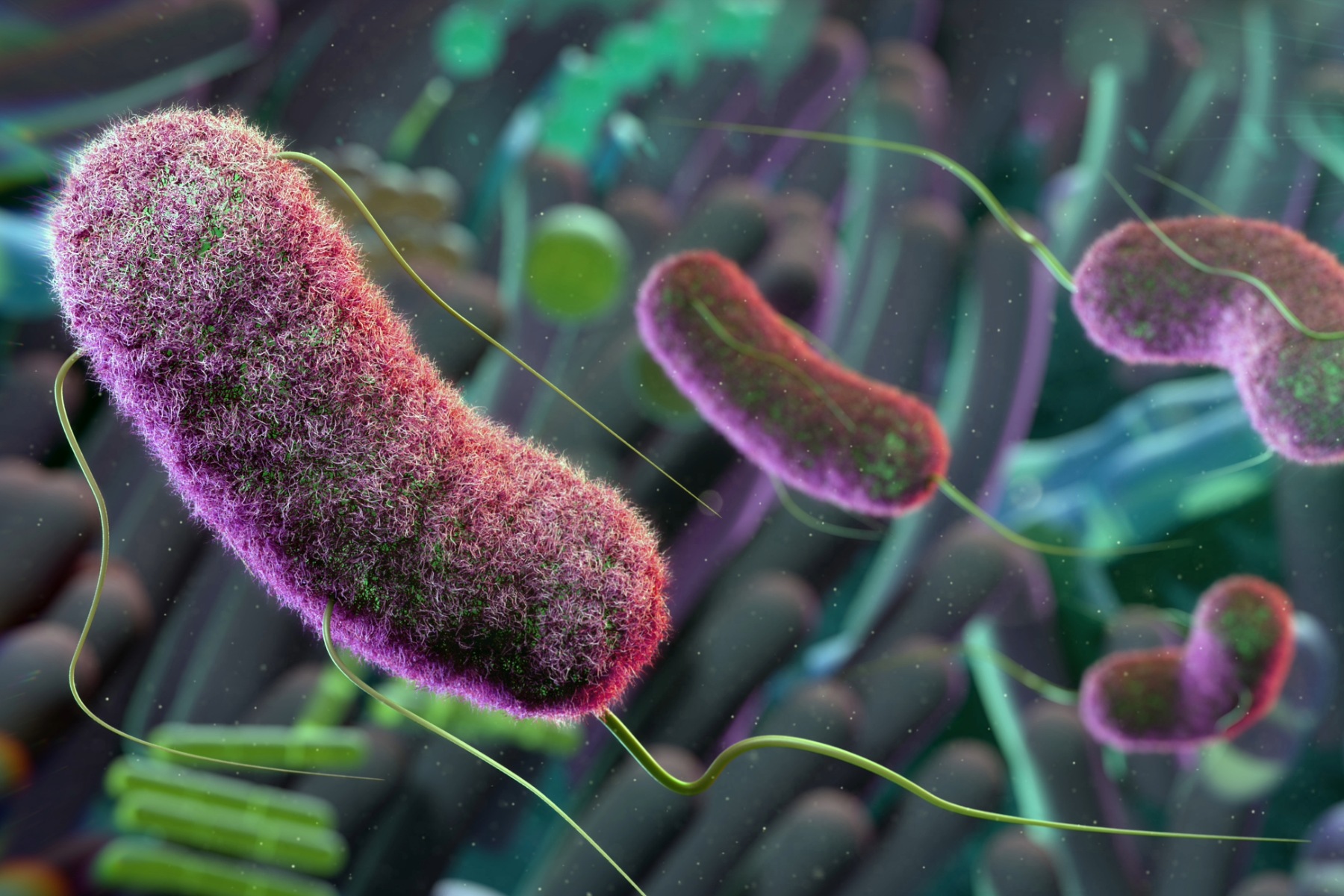
In recent years, it’s become increasingly apparent how much of our whole-body health relies on the bacteria in our gut, known as the gut microbiome.
One area the gut has a particular impact on is a person’s likelihood of being obese – one of, if not the, biggest risk factors for type 2 diabetes – and research has found many connections between the two.
For example, early exposure to antibiotics has been found to decrease the diversity of beneficial bacteria in the gut, and has been linked to the development of obesity later in life.
Consequently, Zenker says, a healthy gut is an important building block of diabetes remission.
“There’s no one perfect gut, we all have our own unique microbiomes,” she says. But in general, a flourishing gut microbiome “supports healthy metabolism and healthy weight, and can directly and indirectly affect blood sugar balance.”
Tending to it means eating lots of probiotic and fibre-rich foods, as these produce short-chain fatty acids which help to regulate and process blood sugar.
Many of the foods we’ve already mentioned – vegetables, fruit, whole grains, nuts, seeds, legumes – are also excellent sources of different kinds of fibre.
“Getting variety is really the key, you don’t need to stress about which specific foods in particular,” says Zenker.
Probiotic foods – or fermented foods that contain living bacterial cultures – support gut health, too. At least one serving each day of yogurt, kefir, sauerkraut, kimchi, miso paste, tempeh, or nattō can go a long way in priming the gut.
Read more:
- What your sweat is trying to tell you about your health
- The biggest factor controlling where your body stores fat (and what you can do about it)
- The sports supplements that actually work (and the hidden problem with the rest), according to leading experts
4. Intermittent fasting and the fasting mimicking diet
One way to unlock diabetes remission is fasting, when conducted under the supervision of a medical professional.
A relatively new approach that’s had some success is the fasting mimicking diet (FMD), a strict eating regimen that mimics the effects of starving over the course of five days to help cells rebuild themselves stronger.
Endocrinologist Dr William Hsu – the chief health officer for biotech company L-Nutra, a leader in FMD medicine – describes the specialised diet as a process that kickstarts cell regeneration, driven by deprivation.
“Every life form on Earth has gone through periods of famine, and periods of plenty, and cells have had to adapt to the stress of no food,” he says. “When there’s no food, the cells say ‘I gotta survive, which part of the cell can I burn up to generate molecules so I can make it another day?’”

But the cell won’t digest the useful stuff, like its own nucleus. Instead, it will burn up “the cellular organelles that are broken and less valuable,” says Hsu, generating enough energy to keep going.
“If food never comes, the cell will die. But if the food comes on day four or five, you’ve gotten rid of the less valuable parts of the cell. When nature gives you stress, you turn that around to make the cells younger and better, you replace the old parts with new parts.”
This cellular autophagy, as the process is known, is a sort of cellular therapy that can significantly reduce dependency on diabetes medications, decrease insulin resistance, and in some cases cause total type 2 diabetes remission, per a six-month clinical trial by L-Nutra. Outside of diabetes research, FMD has also been studied as a potential prevention strategy for Alzheimer’s.
Hsu argues that while intermittent fasting – or fasting for a period of less than two consecutive days – and FMD both have metabolic benefits, FMD is considered more effective at achieving diabetes remission.
“[Intermittent fasting] is great metabolically because you’re eating less and not eating close to bedtimes,” he says. “There are many studies to show that intermittent fasting is helpful to reduce insulin resistance and improve glucose control.”
The FMD regimen usually lasts between four to seven days, eating a low-calorie, low-protein diet of plant-based foods and healthy fats. It is meant to mimic much more extreme deprivation, without putting the body through the real stress of surviving on zero nutrients.
“The cellular autophagy, replacing old parts with new parts, that only comes when the body senses a crisis moment,” he says.
FMD isn’t suitable for everyone, however, and requires a very delicate balance of foods to ensure you are still getting the nutrition you need, so it’s best to consult a qualified dietitian before starting.
5. Exercise after meals
When it comes to diabetes remission, all exercise is good exercise. Moving your muscles encourages them to take up glucose, bringing down your blood sugar. There are some surprisingly simple habits that can contribute to major reductions in your long-term blood sugar levels.
“A lot of patients have this all-or-nothing mentality, like if I can’t go to the gym five days a week then it’s no good,” Aje says. “But you don’t need to have a gym membership or do 50 minutes a day. Ten minutes here or there is great.”
Our muscles play a significant role in regulating blood sugar, she says. “One thing I tell my patients with early-onset diabetes is to go for a walk 15 minutes after eating, to allow the muscles to soak up the glucose.”

Additionally, exercises like squats and calf raises can help the muscles absorb the glucose, too, preventing a spike.
“Prioritising strength training is best for blood sugar, the bones, and metabolism overall,” she says. “It’s not about the amount of time you spend in the gym, it’s about the intention.”
She adds that a little bit of movement after your lunch break at the office, or after dinner, can “really impact your blood sugars.”
“Any time of the day is better than nothing, but if you can prioritise some movement in the first 15 or 20 minutes after a meal, it’s much better for blood glucose.”
6. Stress relief
Stress is another factor which can have huge impacts on our health, including diabetes.
“Stress can increase a person’s risk of high cortisol, which can lead to higher blood sugar over time, and earlier onset of developing diabetes,” says Aje.
The body releases hormones like cortisol and adrenaline when it’s stressed. This triggers the release of glucose into the bloodstream, preparing the body for a ‘fight or flight’ response. Normally, insulin would tell your cells to soak up this excess glucose, but cortisol also blocks this signal. Over time, this can lead to cells becoming more and more resistant to insulin.
High levels of stress hormones can even stop insulin-producing cells in the pancreas from working properly and reduce the amount of insulin they make.
But researchers are uncovering new methods for stress and anxiety management as a therapy for type 2 diabetes. One study involving a 46-year-old man looked at the impact of Neuro-Emotional Technique (NET) – a “15-step stress-reduction Mind-Body Intervention aimed at improving physical and emotional health” – to treat his type 2 diabetes and chronic pain.
After four weeks of NET treatment designed to reduce his body’s unique stress patterns, “glucose levels stabilised and psychometric tests demonstrated improvements in pain, stress, and emotional wellbeing,” the study’s authors wrote.
7. Social ties, community, and advocating for yourself
Diabetes remission is especially challenging without the right kind of support – both in and outside the doctor’s office.
“The environment, community, and people we’re around affect all areas of our wellbeing, our choices, our exercise, our sleep,” Zenker says. “They also affect our mindset and beliefs. If you are in an environment that’s not so supportive of your wellbeing, like a food desert [where access to fresh and healthy food is limited], it can be really hard to shift to something better, even if you’re committed on your own.”

Having social support from friends, family, and neighbours can go a long way in staying on top of your remission goals.
On the medical side, you have to be your own loudest advocate.
“The moment you get a diabetes diagnosis, pay close attention to it, and seek help,” Aje recommends. “If your primary care provider isn’t able to provide you with all the tools you need, ask for a referral to an endocrinologist to get things under better control. Those first 5–10 years after your diagnosis are very important.”
Read more:
