When we think of cholesterol, it’s usually our arteries that come to mind. We picture a physiological fatberg slowly building up from all the cheeseburgers and processed food in our diets.
So, it might surprise you to learn that around 25 per cent of the cholesterol in our bodies isn’t found in our arteries. It’s in our brains.
With so much cholesterol hanging around in our skulls, scientists were bound to start questioning how it might influence our brain health or affect our risk of diseases like dementia or Alzheimer’s. Some are even asking whether we can manipulate our cranial cholesterol, all for the better benefit of our brains.
But first, it’s worth understanding exactly what cholesterol is and why the stuff in our brains is different to the pool in our blood.
Cholesterol in the brain
Cholesterol is a waxy, fat-like substance that’s present in every cell in our bodies. It’s often considered a biological villain because of the link between high blood cholesterol and cardiovascular disease. There is much more to it than that, however.
The walls of every cell in the body contain cholesterol, and the substance is vital in the production of vitamin D and hormones like testosterone. The liver also uses it to make bile to help digest fats in our diets.
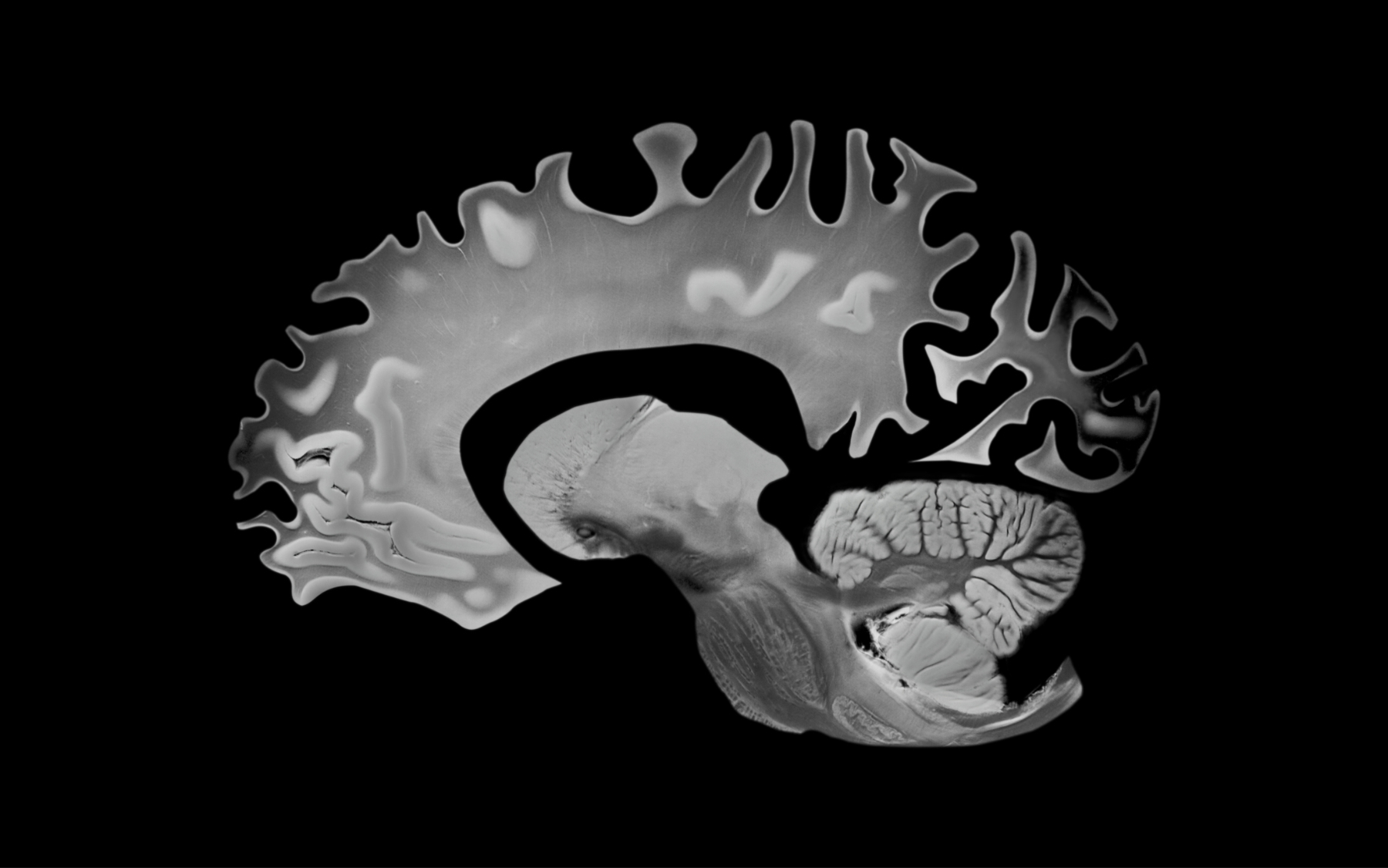
In the brain, cholesterol has distinct roles. Perhaps most significantly, it helps protect brain cells.
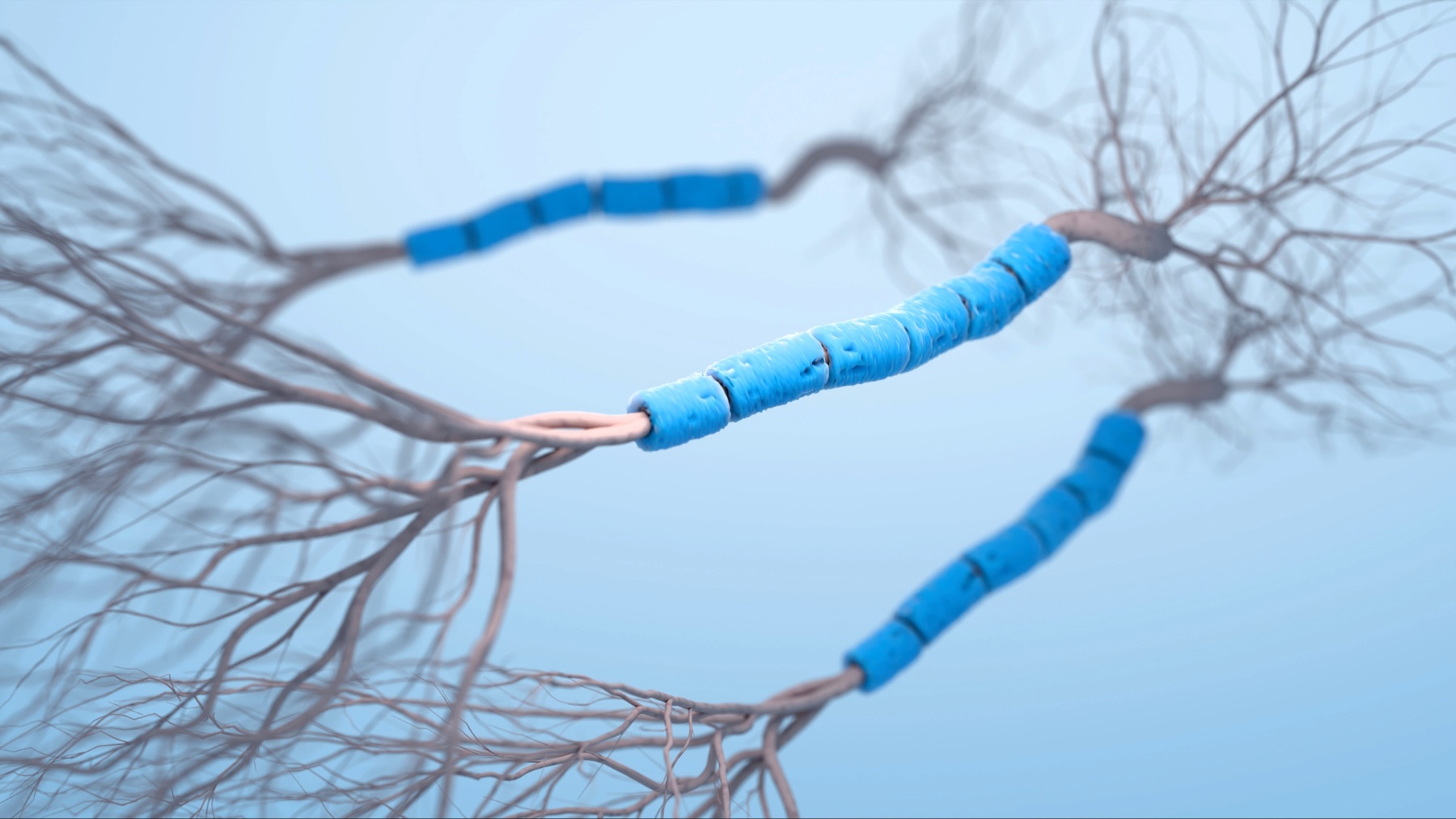
“Brain cells have axons, which are these extensions that conduct signals. Myelin wraps around these axons and contains a ton of cholesterol,” says Prof Irina Pikuleva, who studies brain cholesterol at Case Western Reserve University in Ohio.
The white substance acts like insulation, similar to the plastic coating around electrical wires. “It increases the speed of signal propagation and that’s also why cholesterol is important for memory and cognition,” says Pikuleva.
In other words, while we worry about cholesterol blocking up our bloodstream, the same stuff – or something very similar – is an essential building material for the brain and also allows our grey matter to communicate.
A self-contained economy
The cholesterol in our brains is different to the cholesterol elsewhere in our bodies. Outside the brain, cholesterol is packaged into lipoproteins like HDL and LDL and delivered to where it’s needed in our blood. Those lipoproteins can’t cross the protective blood-brain barrier, which means the inside of our skull is effectively cut off from the supply travelling around the rest of our system.
Instead, the brain relies on its own cholesterol ‘economy’. It produces, uses and disposes of its own reserve, and brain cholesterol is also chemically and metabolically distinct from the cholesterol in our blood.
“The majority of cholesterol is believed to be synthesised by glial cells in the brain,” Pikuleva says. These are a type of brain cell that don’t transmit electrical signals. “Neurons can also synthesise cholesterol, but apparently not enough. So, cholesterol is kind of imported from other brain cells.”
After it’s been manufactured, cholesterol is distributed to neurons and other cells, constantly being used, recycled and eventually removed from the brain via processes that convert it into something that is able to cross the blood-brain barrier.
‘An exacerbating factor’
There is growing evidence that disrupted cholesterol in the brain plays a part in the progressive loss of brain matter, known as neurodegeneration. The issue isn't that there’s too much of it, necessarily – it’s not like high brain cholesterol can cause Alzheimer’s in the same way high blood cholesterol can lead to heart disease.
Instead, the emerging picture is that it is cholesterol tipping out of balance that causes problems. As issues arise with making, transporting, recycling or removing cholesterol, it can affect neuronal membranes, synapses and myelin.
“As we age, the balance – which is very good and precise when we are young – becomes broken and not well regulated,” Pikuleva says.
Alzheimer’s is the best-studied example. Cholesterol metabolism appears to interact with recognised hallmarks of dementia progression – such as abnormalities in certain proteins and inflammation in the brain.
There are also intriguing connections to our circulation. Although blood cholesterol does not cross into the brain, some cholesterol metabolites can. One variety, 27-hydroxycholesterol, has been linked to synaptic dysfunction and memory impairment.
“I wouldn’t say that cholesterol is a cause [of Alzheimer’s],” Pikuleva says. “But nobody questions that there is an association between neurodegenerative diseases and disturbances in brain cholesterol. I would say it’s an exacerbating factor.”
An important caveat, she adds, is that this is a two-way relationship: neurodegeneration itself can disrupt cholesterol handling. So, cholesterol dysfunction may be both a contributor to disease and a consequence of the damage it causes.
Beyond dementia, there is also evidence of a relationship between brain cholesterol and other neurodegenerative diseases, including Parkinson’s, Huntington’s, motor neuron disease and prion disease. Again, in most cases, researchers are still trying to work out whether dysregulated cholesterol metabolism is a cause, consequence or part of some feedback mechanism in the development of the conditions.
The really interesting question for researchers now is whether restoring the balance of cholesterol can interrupt that cycle.
Read more:
- How to reduce your cholesterol: 6 life-saving lessons from a world-leading expert
- An everyday pill could cut dementia risk in diabetics, study suggests
- These simple changes could stop you ever getting constipated, says world-leading gut health doctor
Manipulating our brains
Altering the cholesterol in our brains to improve our health is becoming one of the more intriguing areas of brain metabolism research, but it remains experimental rather than an established way to prevent dementia.
The target isn’t necessarily to lower brain cholesterol, as cholesterol is essential for neurons, myelin and synapses. Instead, the goal is more likely to be restoring the brain’s ability to manage cholesterol properly.
One promising target is an enzyme found in the brain called CYP46A1, which is the focus of research at Pikuleva’s lab. “CYP46A1 converts cholesterol to a more soluble form,” she says. Only then, “can cholesterol leave the blood-brain barrier and get into the systemic circulation”.
In animal models, increasing the enzyme’s activity has had an encouraging effect on several Alzheimer’s related processes, such as the turnover of cholesterol in our brain and synaptic function.
Pikuleva’s research has also shown the anti-HIV drug efavirenz can activate CYP46A1, and early human work has demonstrated that it can increase the enzyme’s activity and impact the brain’s cholesterol metabolism. One day, such treatments could help manage how cholesterol is being eliminated and rebalance things if they have become dysregulated.
Meanwhile, other researchers are taking a different approach and looking directly at the genes that are responsible for moving cholesterol about the brain.
One variant in particular, APOE4, appears to disrupt how cholesterol is handled by brain cells, and seems to be the strongest genetic risk factor for Alzheimer’s. A 2024 paper by researchers at Washington University looked at mice where these genes had been manipulated, predisposing them to developing neurodegeneration.
They found that when treated with a drug designed to remove excess cholesterol, the mice retained more brain volume and had less tau proteins and inflammation in their brains.
However, we’re not yet at the point where doctors can say, “Your brain cholesterol is out of balance; let’s fix it.” The challenge is considerable: cholesterol is essential, different brain cells have different requirements, and simply reducing cholesterol could potentially be as harmful as having too much.
Statins on the brain
Which leads us to the question of statins. When it comes to lowering blood cholesterol, statins are one of the most effective methods there are, and doctors in the US prescribe them to over 92 million adults every year.
Given the potential harm of disrupting the cholesterol inside our heads, it’s natural to worry whether these medications are protecting our hearts at the expense of disrupting our brains. Especially as there are some statins which are capable of crossing the blood-brain barrier.
Fortunately, research doesn’t support the idea that statins affect cognition, at least not directly. Randomised trials have not found convincing evidence that statins cause cognitive decline, while a Cochrane review of evidence found that statins given in later life did not prevent dementia either.
The question of whether they might protect the brain in some other way is more interesting. It is true that numerous observational studies have found lower rates of dementia among statin users, even if the medication isn’t directly impacting their brains.
A 2025 meta-analysis of 55 observational studies involving more than 7 million people associated statins with reduced risks of dementia and Alzheimer’s. A separate umbrella review, also published in 2025, similarly found apparently protective associations in several meta-analyses, although it’s worth pointing out that observational studies cannot establish that it was the statins themselves that caused the reduction.
There may be mechanisms beyond cholesterol lowering – such as vascular protection and anti-inflammatory effects – and the type of statin may matter.
But the current evidence supports a fairly simple conclusion: statins are not established dementia-prevention drugs. But neither is there good evidence that they harm the brain overall.
For Pikuleva, this developing research might not yield a cure for dementia or neurodegenerative diseases, but it may certainly help. “What ultimately will work is most likely a combination therapy, using several treatments for these diseases,” she says. “I doubt that there will be one miracle drug.”
For decades, the story of cholesterol has always been one of excess and trying to scrub it out of our blood vessels. But inside our skulls, the story is a lot more nuanced.
It’s not too much or too little. The problem is cholesterol going to the wrong place, at the wrong time, or getting stuck when it should be recycled. And the solution is trying to keep our brain’s self-contained economy on track, running the way it did when we were young.
That may be a less dramatic story than a fatberg in our brains, but it may be a more helpful one.
Read more: