
When it comes to women’s health issues, heart disease isn’t normally one of the first things that comes to mind.
Yet, cardiovascular disease (CVD) is women’s biggest killer. Over nine million women die from heart attacks, strokes and other CVDs every year – double those who die from cancer. What’s more, CVD causes a higher proportion of women’s deaths and by the age of 60, women are three times more likely than men to have high cholesterol.
There is a shocking lack of awareness of the problem. In a 2019 survey, only 44 per cent of US women correctly named heart disease as the leading cause of death in women. Even amongst doctors, heart attacks are more frequently missed in women, and the risk of CVD is more often underestimated by the scoring systems doctors use.
Why the oversight? The reasons are many-layered. Part of the explanation, however, may lie in the poorly recognised surge in cholesterol levels accompanying menopause, which means women see a steeper climb later in life than men.
This cholesterol hike may be as much a part and parcel of menopause as hot flashes and stiff joints. But it can go unnoticed. And scientists admit that, thanks to chronic underfunding of menopause research, it’s not that well understood.
So, if your cholesterol shoots up in your fifties, it’s not just because you caved into the odd cake – and it’s no reason to beat yourself up.

“If your cholesterol increases after menopause, that doesn’t mean that you don’t look after yourself,” says CVD prevention specialist, Jeanine Roeters van Lennep at Erasmus University Rotterdam, Netherlands, who studies sex differences in CVD. “It’s a physiological thing.”
It is, however, something to be taken seriously. Asking for a cholesterol check isn’t top of your list when you’re at the doctor’s feeling clammy, on-edge, achy, itchy, bloated and… was that everything? Oh, like you could explode into flames at any moment… But if you’re this deep into menopause and your doctor isn’t testing your cholesterol, then they’re not doing enough to help.
So, whether you’re in the thick of it, or just heading into peri, here’s what we know about cholesterol during and after menopause – and what to do about it.
1. Women spend much of their lives with higher cholesterol
Most women go through menopause in their late forties or early fifties. Long before that, however, our cholesterol trajectories differ from men’s because – surprise! – men’s and women’s bodies are different. Whilst women’s cholesterol averages lower than men’s through most of our twenties, thirties and forties, it’s actually higher at both ends of the age spectrum.
“Before the age of 18, women have higher cholesterol than men,” notes Roeters van Lennep. From at least age eight to around puberty, girls’ total cholesterol tracks just above boys. Then, in our twenties, there’s a crossover as men’s steadily rises, overtaking ours.
The exception is during pregnancy, when cholesterol levels can steeply rise but usually return to normal after birth.
So, it’s not that menopause sets us on a different path; we follow a different course our whole life long. But menopause does push our cholesterol levels to their peak in our fifties, a decade after men.
Is it hormones dive-bombing that makes our cholesterol soar? Well, as Roeters van Lennep explains, widespread knowledge gaps in female health mean there’s still lots to learn but there’s “convincing” evidence it’s due to menopause and not just ageing.
Recent research also suggests it’s universal, with similar patterns seen even in indigenous populations renowned for their resistance to heart disease, like the Tsimané in Bolivia.

The post-menopausal peak is at least partly a consequence of falling oestrogen, which reduces clearance of low-density lipoprotein (LDL) cholesterol – so-called ‘bad’ cholesterol – from the blood. Lower oestrogen indirectly causes a protein called PCSK9 to break down LDL receptors on the liver, meaning they struggle to do a proper clean-up job.
Menopausal changes also affect how and where body fat is stored, all of which leads to our CVD risk climbing.
2. Menopause drives up cholesterol levels
Perhaps one of the reasons the post-menopausal cholesterol hike gets missed is that we tend to assume if we’re not overweight and we’ve always had low cholesterol, then we’ll go on having low cholesterol.
In fact, though, the opposite could be true. One of the largest studies following women through the menopause shows it’s the lightest women (below 62kg) who suffer the biggest cholesterol surges with menopause.
Why? Possibly because thinner women already have lower oestrogen levels – fat cells produce oestrogen, supplementing the main supply from our ovaries.
More generally, not every woman’s oestrogen drops off at the same rate, and, as far as cholesterol goes, we enter menopause at different baselines. That’s why getting it checked is vital, particularly if you think you might be at increased risk.
One important influence on CVD risk is when you go through menopause. South Asian women, for example, are often younger (the average age is 45 in Indian women) and a recently published study shows this earlier menopause increases CVD risk, though why is debatable.
“Clearly premature menopause finds women exposed to lower oestrogen for a longer duration,” says biostatistician Simone Marschner from the University of Sydney, who led the study. But she thinks there’s “more to the story”, including changes in visceral (aka ‘belly’) fat, which affect inflammation and insulin resistance too.

Meanwhile, inherited high cholesterol sets a higher baseline, so having family members with high cholesterol or CVD may mean you need to get checked out early. Genetic conditions, such as Familial hypercholesterolaemia (FH) and elevated Lp(a), can cause high cholesterol, and affect around 1 in 250 and 1 in 5 of us respectively but, crucially, they can be tested for and treated.
Whilst there’s limited research on how menopause affects cholesterol levels in these conditions, a small study that Roeters van Lennep was involved with suggests those with FH will see a 17 per cent rise through menopause if they’re not medicated compared to 10 per cent rise if they are.
The team is now looking into whether treatment plans are adapted in these women through menopause.
“If their cholesterol goes up, does that mean that their lipid-lowering medication is also adapted to this higher cholesterol?” asks Roeters van Lennep, noting that it might seem “strange” that we don’t know, but such knowledge gaps are typical of women’s health and menopause research.
3. HRT decisions are about more than cholesterol
If cholesterol rises as oestrogen slumps, then it’s reasonable to think replacing oestrogen would be the route to controlling cholesterol. And hormone replacement therapy (HRT) does help reduce it. But experts advise wider conversations around HRT.
“It's important to take a holistic approach,” says Haitham Hamoda, who leads the menopause service at King’s College Hospital, London. “The discussion often starts with menopause symptoms. And then, in parallel, you can talk about the cardiovascular aspect, bone [health] aspect, breast cancer risk, etc.”
It’s a complex picture and every woman’s risk profile looks different. Multiple studies show that HRT containing oestrogen helps to slow bone density loss whilst increasing the risk of breast cancer. However, the impact on CVD risk is complex and scientists are still untangling the results of trials that were carried out in the 1990s.
Initially, large US trials suggested that old-style pill forms of HRT increased heart disease and stroke risk (and breast cancer risk), resulting in women abandoning their prescriptions in droves. However, recent reanalysis of data from the same trials suggests the increased CVD risk only impacts women over 70 and supports international guidelines that state HRT is beneficial for heart health up to age 60.
Evidence on the risks and benefits of newer, transdermal forms of HRT – including patches and gels – and on HRT taken during perimenopause (before periods have stopped) is scarcer. Transdermal HRT does appear to cause fewer dangerous blood clots than pills. But more generally, “the only way to really know is to have another big trial,” says Samia Mora, a cardiovascular medicine specialist at Brigham and Women’s Hospital in Boston, Massachusetts.
“In the absence of that,” Mora adds, “What we know is that [HRT] shouldn’t be used for cardiovascular prevention.” In other words, don’t take HRT to reduce your risk of heart disease. Take it because you need help with your menopause symptoms, and you’ve weighed up the risks and benefits before deciding it’s the right option for you.
The British Menopause Society suggests healthy women under 60 needn’t worry about the overall safety profile of HRT, whilst a higher risk of CVD may warrant a deeper discussion.
Read more:
- 22 women whose ideas changed how we see the world forever
- How to reduce your cholesterol: 6 life-saving lessons from a world-leading expert
- Here’s what actually makes a difference for women going through perimenopause
4. Don’t believe everything you read about statins
For cholesterol that creeps up during menopause, statins are likely to be the first drugs offered. And whilst you might have seen some bad press around side effects like muscle pain in recent years, experts stress statins are some of the best-studied drugs we have, and side effects are rare.
One 2021 study bringing together data from trials involving over 120,000 patients (including 49,0000 women) shows that, for every 10,000 patients treated, statins prevent 19 heart attacks, nine strokes and eight deaths from other CVD every year.
“Fortunately, because statins have been around for so long, we have a lot of data in women, so we can ensure they are effective in women and in general very safe,” Roeters van Lennep says.
Meanwhile, though, a recent study by her team does show women are more likely than men to stop taking statins due to side effects. It’s not clear why, exactly. One simple explanation could be that we’re smaller on average, so the same doses are proportionally larger for us, making side effects more likely.
Other possibilities are that we’re more suspicious of statins causing side effects or of a doctor’s reasons for prescribing them, or we’re more likely to misattribute symptoms of other conditions to statins. The new study suggests those who stop taking statins tend to be more mistrustful of healthcare providers and less likely to stick to medications generally.
Whatever the reason, Roeters van Lennep believes women deserve better explanations for why statins might be right for them. “Very often, doctors just prescribe a pill and [assume] a patient will take it without any information – like about why it’s beneficial for them, or safe,” she says. “I think it’s key to take somebody seriously and tell them why you’re prescribing it and why cholesterol is a risk factor.”
Perhaps it’s no surprise if women are more hesitant when it comes to heeding doctors’ advice – after all, we’re more frequently disbelieved or misdiagnosed. But you should never hesitate to ask for more information, a change of dose, or even a different drug. Alternatives include PCSK9 inhibitors and ezetimibe. If you suspect statins are causing side effects, you can also ask your doctor for a short break to see whether symptoms subside.
5. Hysterectomy or ‘surgical menopause’ needs a clear plan
Around a third of women have hysterectomies before age 60 due to endometriosis, fibroids, cancer and other conditions, leading to a sudden shift in hormones termed ‘surgical menopause’.
If this happens before natural menopause it can leave women exposed to the effects of low oestrogen – including climbing cholesterol – for longer.
Hysterectomy probably plays a role in the link between early menopause and raised CVD risk in India, for example – figures suggest the operation is 11 times more common in India than in the US.
However, for women more widely, Marschner notes, “The key is whether the ovaries were removed.” Our ovaries produce most of our oestrogen and Marschner says specialists should understand the implications for heart health of not having them, especially in younger women.
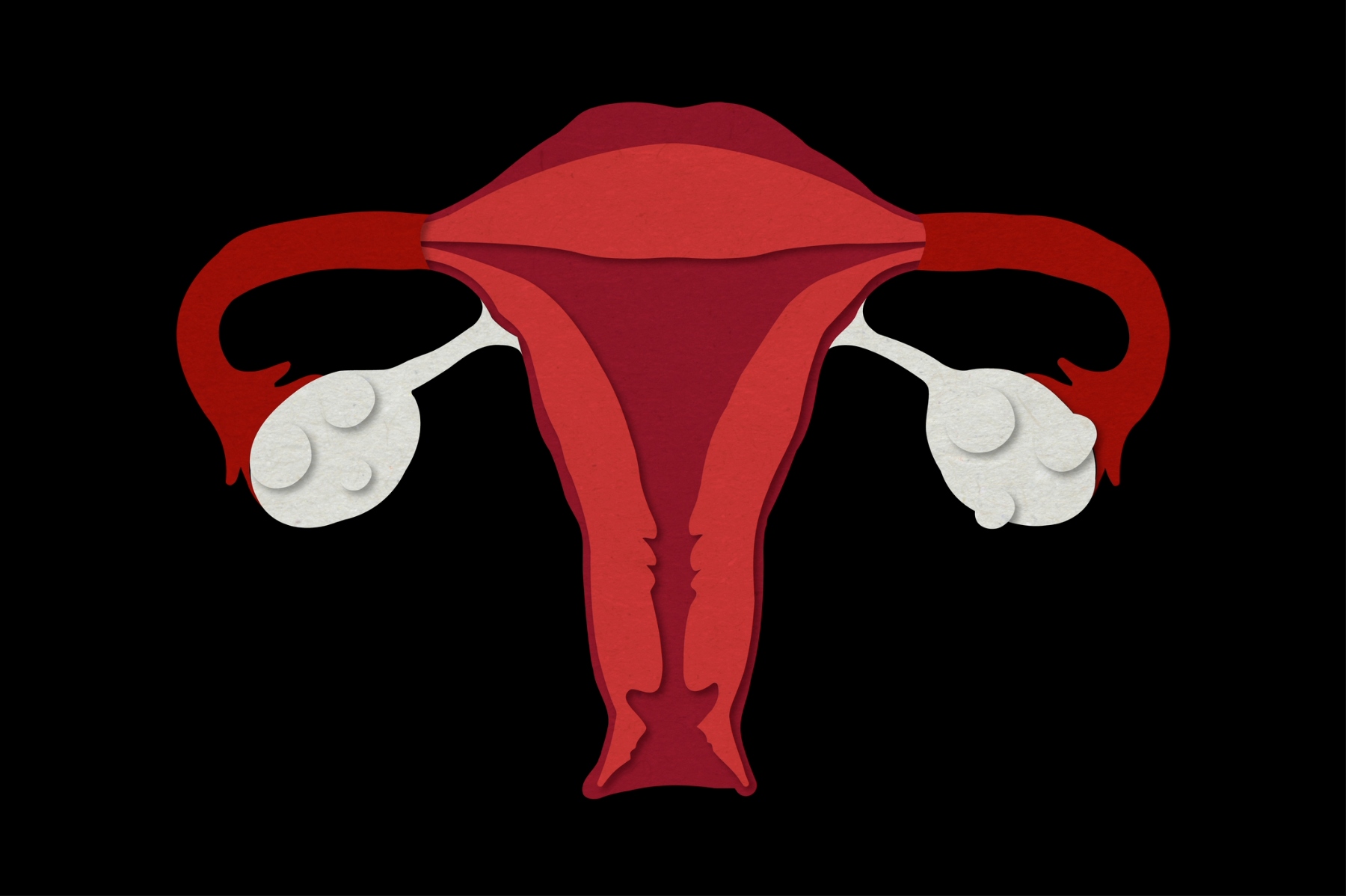
Of course, though, your cholesterol levels may not be your first consideration when you’re losing your ovaries. That’s why a planned approach involving options for HRT, based on wider risks and benefits – and checking cholesterol levels before starting on it – should be routine.
According to Hamoda, all women under 50 should be offered HRT if they’re having a hysterectomy. “Without a shadow of a doubt,” he emphasises. But whether they are does vary, he says, “because it depends on how much experience in menopause the individual who’s dealing with women has got.”
If you’re worried about how hysterectomy could affect your health, Women’s Health Concern has a factsheet on surgical menopause (alongside a stack of others on menopause) and women in the UK can use this handy search tool to find nearby menopause specialists.
6. Make menopause a checkpoint for your health
Cholesterol isn’t the only risk factor for CVD. In the UK, CVD risk is scored by doctors using ‘QRISK’ – which provides a ten-year risk estimate – based on multiple different components. So cholesterol levels need to be considered alongside family history, blood pressure, diabetes, smoking and other factors.
We can think of menopause as a time to take stock of our health more broadly, bringing in the bone density aspect as well as, for example, weight, sleep and mental health. This wider perspective may help us to catch hidden problems with cholesterol too.
According to Mora, diabetes and obesity can turn us into “walking timebombs” around menopause, even when standard cholesterol tests show nothing is wrong.
“If you just checked LDL cholesterol, it may seem like ‘oh, this is good’,” she says. But if you have diabetes or obesity, another test, for a cholesterol-carrying particle called ApoB, might be needed.

Whereas standard tests tell us about the amount of cholesterol, an ApoB test estimates the number of cholesterol particles – a key measure because the same amount of cholesterol split up into lots of smaller particles is riskier. US and European guidelines on cholesterol both now recommend ApoB testing.
And whilst all these scores and tests might feel a bit frazzling, having some concrete numbers in front of us means we can make more focused health decisions – which is certainly preferable to chugging back overpriced menopause supplements every day and hoping for the best.
For some of us, diet and exercise changes might be enough to keep our cholesterol in check. But at least one trial suggests they won’t necessarily eliminate all of the extra risk that menopause brings. So don’t wallow in shame if your numbers have shot up. As Roeters van Lennep reminds us, “it’s not something women should be blamed for.”
Instead, see it as an opportunity to take charge of your health as you head towards your post-menopause era.
Read more:
