
Weight-loss drugs can be life-changing for people who are trying to slim down.
Sold under brand names such as Ozempic, Wegovy and Mounjaro, they suppress your appetite by mimicking the action of a hormone called glucagon-like peptide 1 (GLP-1), which tells your brain you've eaten enough.
People taking these drugs typically don’t feel like eating as much as they once did, so often find themselves eating less, choosing healthier alternatives, or a combination of both.
This is usually good news for their waistlines, as well as their general health, since carrying extra fat increases a person’s risk of developing several conditions such as diabetes and heart disease.
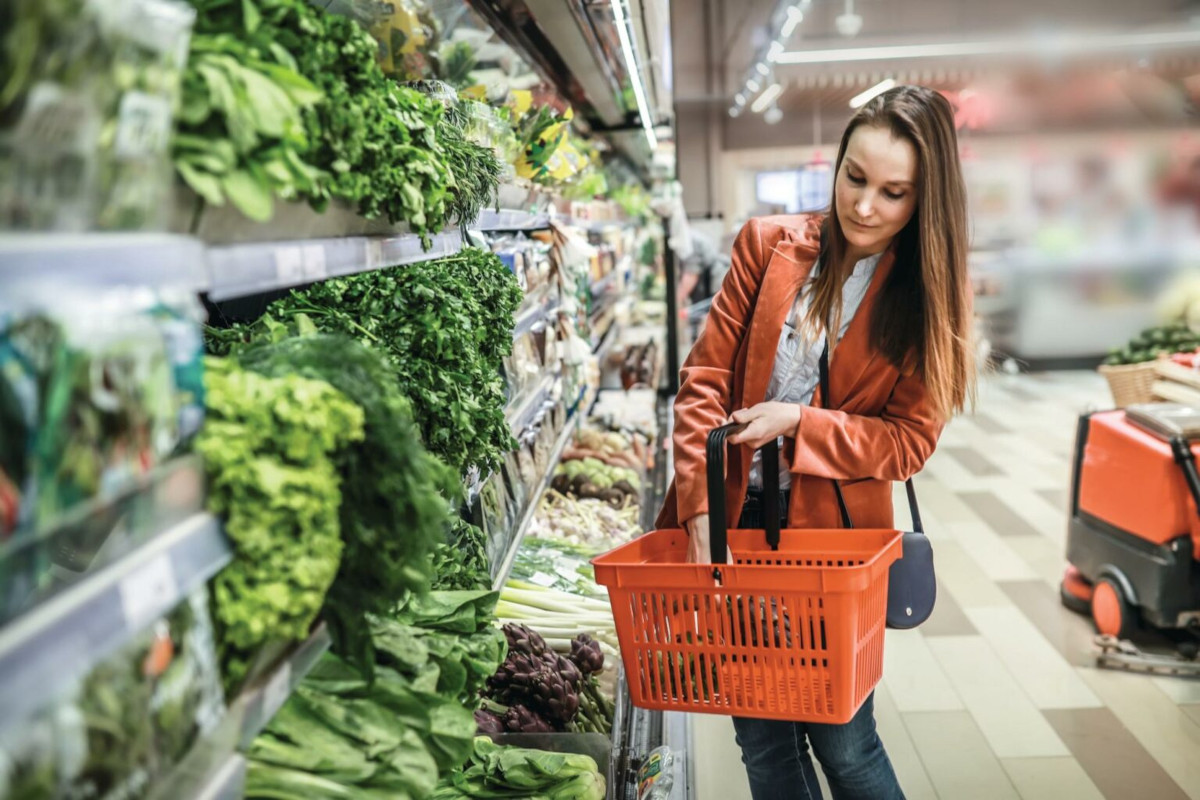
It’s not such good news for the food industry, however, since cutting back means people on GLP-1 drugs change their shopping habits: as well as buying different foods, they also buy less of them.
“GLP-1 drugs are reducing the amount of money consumers spend at the grocery store,” says Prof Jill McCluskey, director of the School of Economic Sciences at Washington State University. “I think this is definitely transforming the market.”
Grocery stores in the US are already feeling the effect – spending is down $6.5bn, according to a recent report. It’s unlikely to be a passing trend either, since more and more people are now taking these medications.
At least five per cent of adults in the US are now using GLP-1 drugs and forecasts predict that usage could be 10 times higher by 2035.
In the UK, about 1.6 million adults were using weight-loss drugs between 2024 and 2025, with an additional 3.3 million people reporting that they might start taking them over the next year.
Although this presents a major challenge for food manufacturers, it also presents a huge opportunity.
People taking weight-loss drugs aren’t just eating less; research is finding that their relationship with food is changing in other ways too.
Manufacturers are therefore starting to adapt what they offer, partly by trying to attract people using GLP-1 drugs through product branding, but also by reformulating food to complement their new preferences.
So how exactly are weight-loss drugs changing people’s food choices and how are food manufacturers trying to respond?
Quality and quantity
One noticeable shift is that people’s eating habits generally became healthier when taking GLP-1 drugs.
In recent work, McCluskey and her colleagues found that people on weight-loss medication started spending less of their grocery budget on ultra-processed foods and buying more fresh fruits, vegetables, meat and plain dairy products.
Another study found that households with at least one person on GLP-1 drugs bought less calorie-dense food, with a marked reduction in savoury snacks. They also reduced their spending at fast-food chains and coffee shops.
People taking GLP-1 drugs also tend to have less intense food-related thoughts and experience them less often, especially when they first start the medications. They also become more intentional about their food choices.
In other words, they eat in response to hunger cues rather than when they’re upset, stressed, angry or bored (aka emotional eating).
“They’re thinking more about the quality of the food they eat, rather than just the quantity and the urge to eat,” says McCluskey.
They’re also seeking out more nutritious food. Eating smaller portions means that they want food that packs in more nutrition since they may now struggle to consume recommended amounts of essential nutrients.
Getting enough protein is particularly important since it helps rebuild muscle that can be lost while slimming down.
Eating high-fibre foods is also often recommended to help with the gastrointestinal side-effects of GLP-1 drugs, such as nausea, constipation and bloating, but also to promote some additional weight loss by adding to the feeling of fullness.
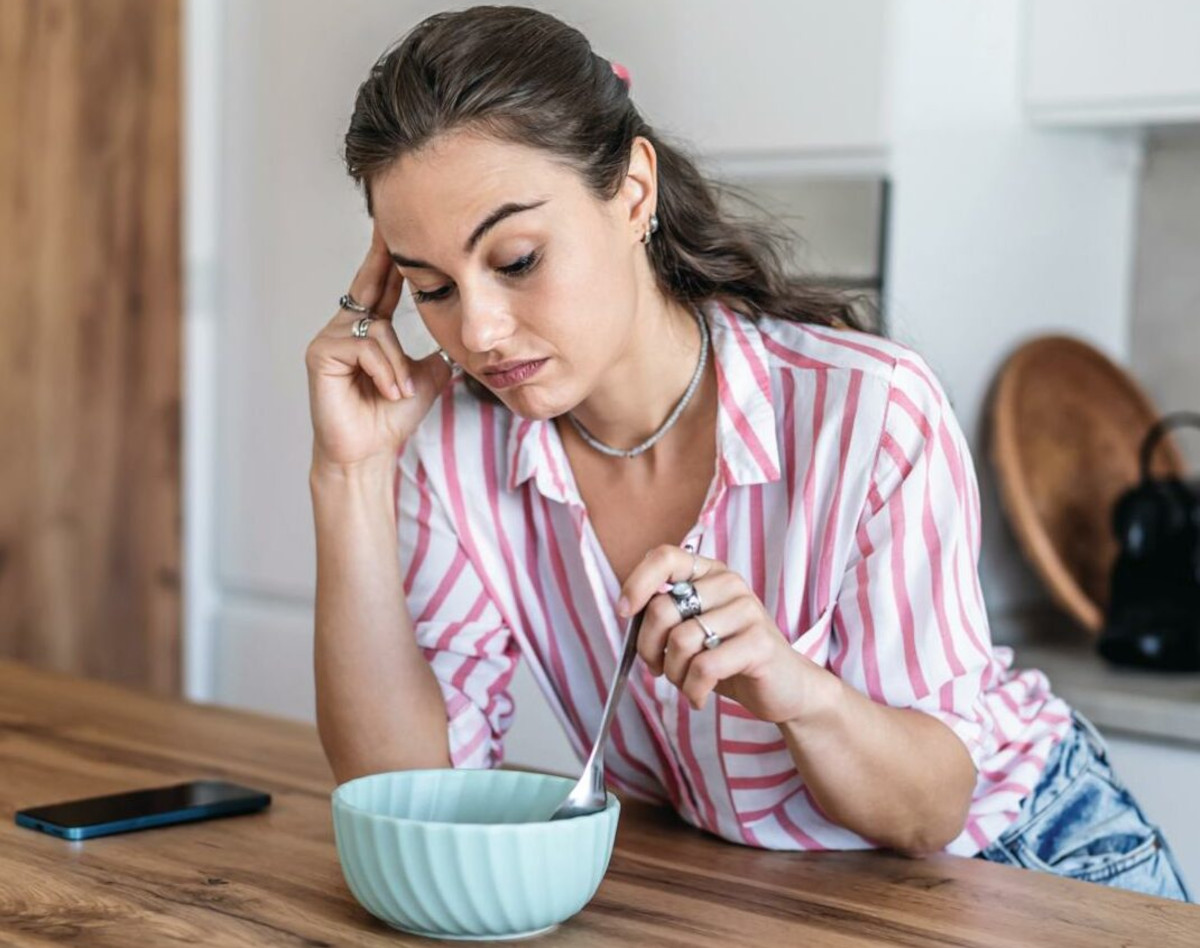
But GLP-1 drugs also affect people’s relationship with food in less obvious ways.
In the last few years, Jane Whittaker and her colleagues at IFF (a company that develops flavours, fragrances and food ingredients) have been taking a closer look at people’s experiences with weight-loss drugs, first by examining social media posts and then by directly engaging with US consumers through focus groups.
They found that people often feel dehydrated when taking weight-loss drugs.
That’s because they were consuming smaller portions and, in doing so, reducing the amount of water they would typically obtain from food and beverages.
GLP-1 users also tended to be more sensitive to bitter, salty and sweet tastes.
Food that contained small amounts of sugar, for example, became more appealing than those containing sweeteners such as aspartame or sucralose, which tasted intensely sweet.
Products that were acidic or carbonated were also less desirable to people on weight-loss drugs. Foods that were dry, sticky, dense or chewy also became a no-go, while foods that were smooth, light and a bit creamy went down well.
“These consumers are really experiencing taste and texture in an entirely different way,” says Whittaker. “Over 60 per cent reported altered or unpleasant taste sensations.”
GLP-1 drugs also seem to disrupt eating patterns. Whittaker and her team found that people on the drugs started skipping meals, particularly lunch, and didn’t feel hungry at breakfast.
As a result, they often sought out food that was convenient to eat on the go but could also meet their nutritional needs.
Read more:
- 'It gives people more time to think': The strange effect of GLP-1s that's puzzling experts
- What Big Food really doesn't want you to know about ultra-processed snacks
- 'We have no freaking clue' what weight-loss drugs are doing to your brain, warns Cambridge professor
The pleasure of eating
The effects of weight-loss drugs aren’t limited to our appetites and tastes, though – there’s also a psychological impact. That’s because for many of us, eating is a pleasurable experience we look forward to, as well as a social act, and weight-loss drugs have been observed to interfere with that.
For instance, Whittaker and her colleagues found that many people who took GLP-1 drugs were no longer interested in foods they once loved to eat.
In the US, 70 per cent of the people they surveyed reported mood changes and having lost the joy of eating. This fundamental shift in their relationship to food was often difficult emotionally, especially if their social life was affected.

“That’s a real challenge, but it can also be an opportunity,” says Whittaker. She thinks that food products could be specially designed or adapted to make eating more enjoyable for people on weight-loss drugs.
The food industry is aware of these factors and is already using them to inform the development of new products tailored to GLP-1users. Some have already been launched that target the reduced appetites of people on weight-loss drugs.
In 2024, Nestlé introduced Vital Pursuit, a new brand for American consumers with sandwiches and pizzas that come in smaller portions.
In October 2025, General Mills – a major food manufacturer behind brands such as Häagen-Dazs, Old El Paso, Nature Valley granola bars and various breakfast cereals – announced it was planning to make more of its products available in reduced pack sizes, partly to cater to people on weight-loss drugs.
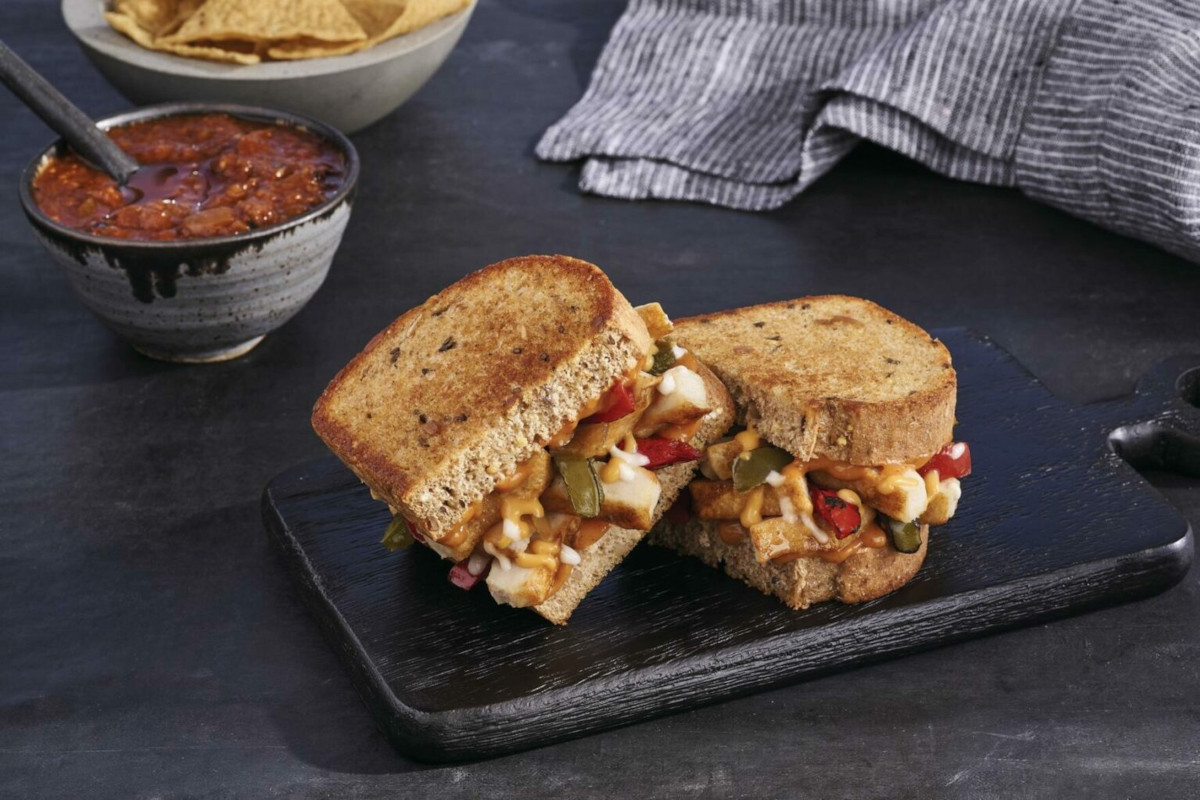
Many restaurants are taking a similar approach too, according to Whittaker, offering a wider range of smaller plates such as starters and tapas, as well as bite-sized desserts. “You can still get that little treat, but much smaller.”
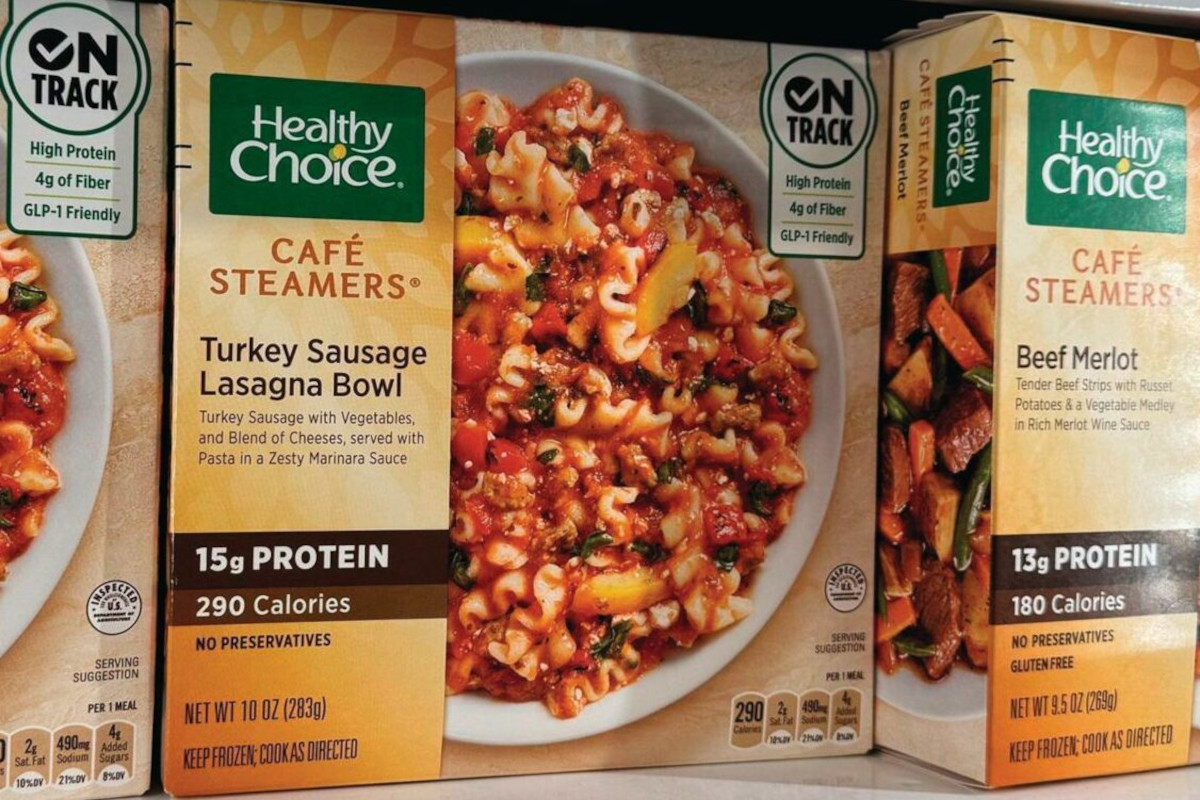
Some food manufacturers have gone as far as labelling certain products as ‘GLP-1friendly’. Conagra, for example, uses the label to highlight the protein and fibre content in its Healthy Choice range of frozen meals.
McCluskey thinks that the ‘GLP-1 friendly’ food category will expand as more people start taking GLP-1 medications.
“There’ll be more high-protein options, including protein bars, Greek yogurts and fortified products, as well as fibre-rich foods,” she adds.
A healthier design
The emergence of foods aimed at people taking GLP-1 drugs is raising some awkward questions, though.
Take, ultra-processed foods (UPFs), for example. They have a bad reputation since their consumption has been linked to unhealthy diets that drive many chronic diseases, such as obesity.
UPFs are made to be delicious and affordable, and manufacturers often engineer them to maximise pleasure so that people will want to eat (and buy) more of them. So can people taking GLP-1 drugs trust the new ‘healthier option’ UPFs being marketed to them?
David McClements, a distinguished professor in the department of food science at the University of Massachusetts, Amherst in the US, believes UPFs can be designed to be healthier. In fact, it’s the central argument in one of his recent publications.
He thinks that there’s often too much emphasis on these foods being of lower quality because of industrial processing.
In some cases, processing can have a positive impact by increasing a food’s shelf life and removing harmful substances, as well as increasing digestibility, which can be beneficial when consuming proteins, for example.
“I think we have to take it on a case-by-case basis,” he says. “It’s more important to focus on the health and nutritional effects of the food.”
The challenge will be to design food products that meet the changing desires of people on weight-loss drugs while also making them tasty and affordable, says McClements. If the foods don’t appeal to people on GLP-1s, they’ll stay on shop shelves.
“I think there’s a lot of re-engineering going on in the food industry to try and respond to this,” he adds.
Innovative new ingredients could help. Biospringer by Lesaffre is a company that produces yeast-based ingredients for the food and beverage industry.
It’s aiming to help manufacturers reformulate their products for GLP-1 users by making them healthier. Its natural, fermentation-based ingredients are designed to support healthy eating habits without compromising on taste.
Biospringer by Lesaffre claims that some of its ingredients can help reduce the fat content in food products by up to 30 per cent using flavours and textures that mimic their original creaminess.
Other yeast-extract based ingredients incorporate specific flavours to allow sugar to be reduced by up to 30 per cent while ensuring the food remains sweet and appealing.
Similarly, Whittaker and her IFF colleagues work with food manufacturers to suggest ingredients and flavours their company has developed that can be used to create products for people on weight-loss drugs.
IFF has a wide range of protein ingredients, for example, some with a light texture that can be incorporated into beverages, as well as probiotics that promote digestive health.
Other products can be used to deliver flavours that are appealing to GLP-1users or to tone down or mask tastes that they’re now more sensitive to, such as bitterness.
Whittaker and her colleagues have developed a few new product prototypes that incorporate their ingredients and are aimed at people using weight-loss drugs.
One is a coffee drink that’s low in sugar, high in vitamins and contains some protein and fibre. It comes in three flavours to satisfy different tastes.
There’s also a strawberry and apple protein bar that’s designed to be small yet filling.
It contains fibre to support gut health, isn’t too sweet or dry, and uses both apple and strawberry paste as well as fruit pieces to give it contrasting textures that should appeal to the palates of people on weight-loss drugs.
Another product is intended to keep people on GLP-1 drugs hydrated while delivering a boost of energy.
A mixture of protein, fibre and electrolytes, which help regulate hydration, the product comes in small sachets and is meant to be added to a bottle of water. Again, three flavours are available to appeal to different tastes.
Ripple effects
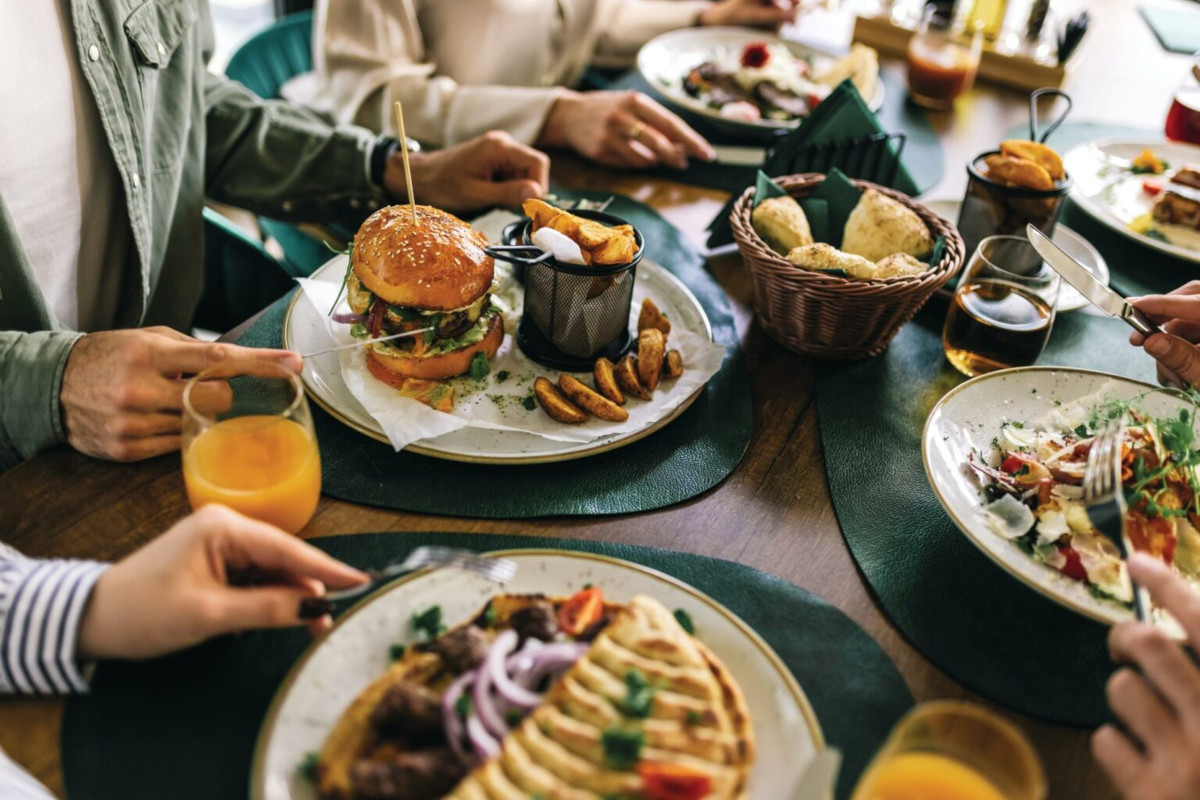
New products designed for people taking GLP-1 drugs are also likely to influence the food choices of other consumers too.
McCluskey points out that food is often consumed in social settings so people taking these medications may share what they’re eating with others.
Since GLP-1 users are typically choosing healthier options, it could benefit their family and friends too.
Selling food in smaller portions could also be a win for everyone, especially if those foods are more nutrient-dense. More products that are high in fibre and protein would provide healthier alternatives to many of the UPFs currently on offer.
They typically mostly contain refined carbohydrates and sugar, which are full of calories, have little nutritional value and drive overeating since they’re quickly digested.
“The products you would give to GLP-1users would probably be good products for anybody,” says McClements. “At least in America, way too many people are eating big portion sizes and if we could reduce them, it would be healthier for everyone.”
If the food industry’s initial responses are anything to go by, it appears that the widespread use of weight-loss drugs may end up benefitting a huge number of people, even those who aren’t taking them.
Read more:
