
Very little of our planet remains truly unexplored, and most of what's still untouched is at the South Pole. Almost all of Antarctica – along with large swathes of the ocean around it – is covered by ice that is hundreds, if not thousands, of metres thick.
Space may be the final frontier, but Antarctica is its close rival.
Yet, slowly but surely, this last unknown area of Earth is giving up its secrets.
Armed with new technologies, researchers are peering beneath the continent’s vast ice sheet in search of one of the most extraordinary discoveries on Earth: life hidden beneath the ice.
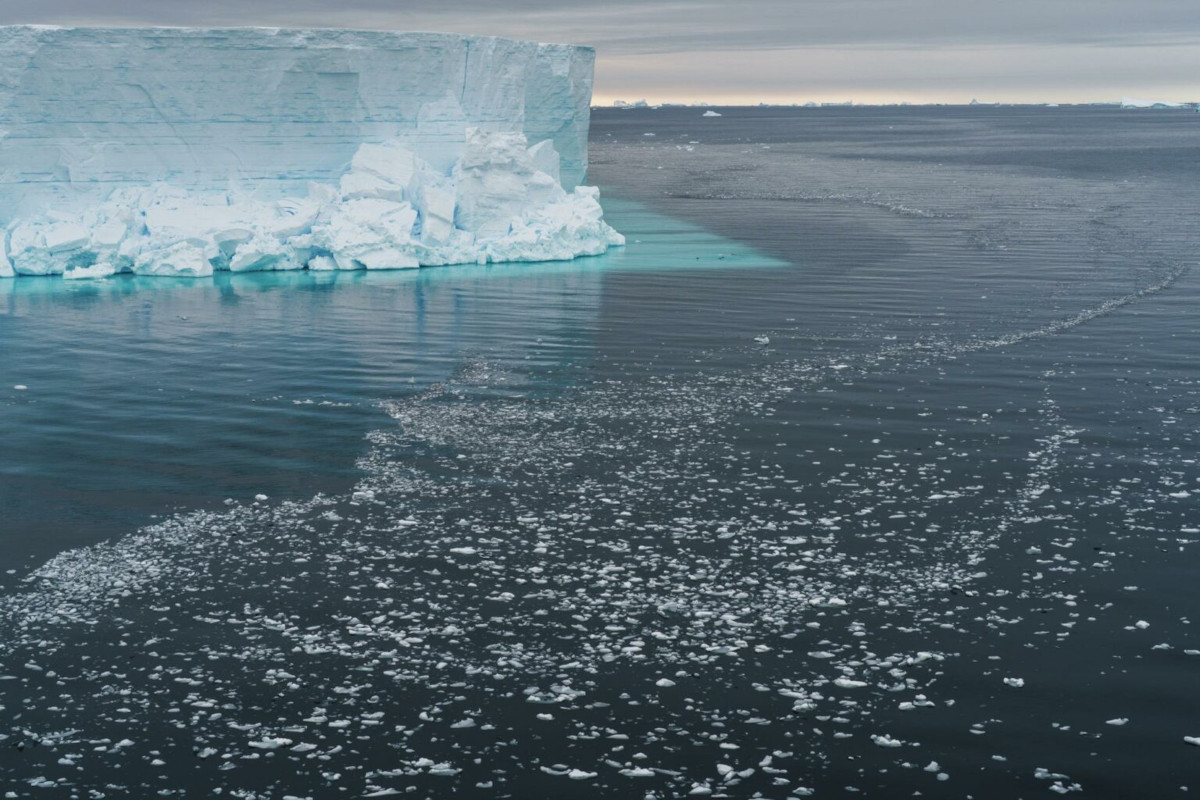
When a huge chunk of the George VI Ice Shelf broke away from Antarctica in January 2025, scientists seized the rare opportunity to explore a stretch of seabed that had been hidden beneath 150m (492ft) of ice.
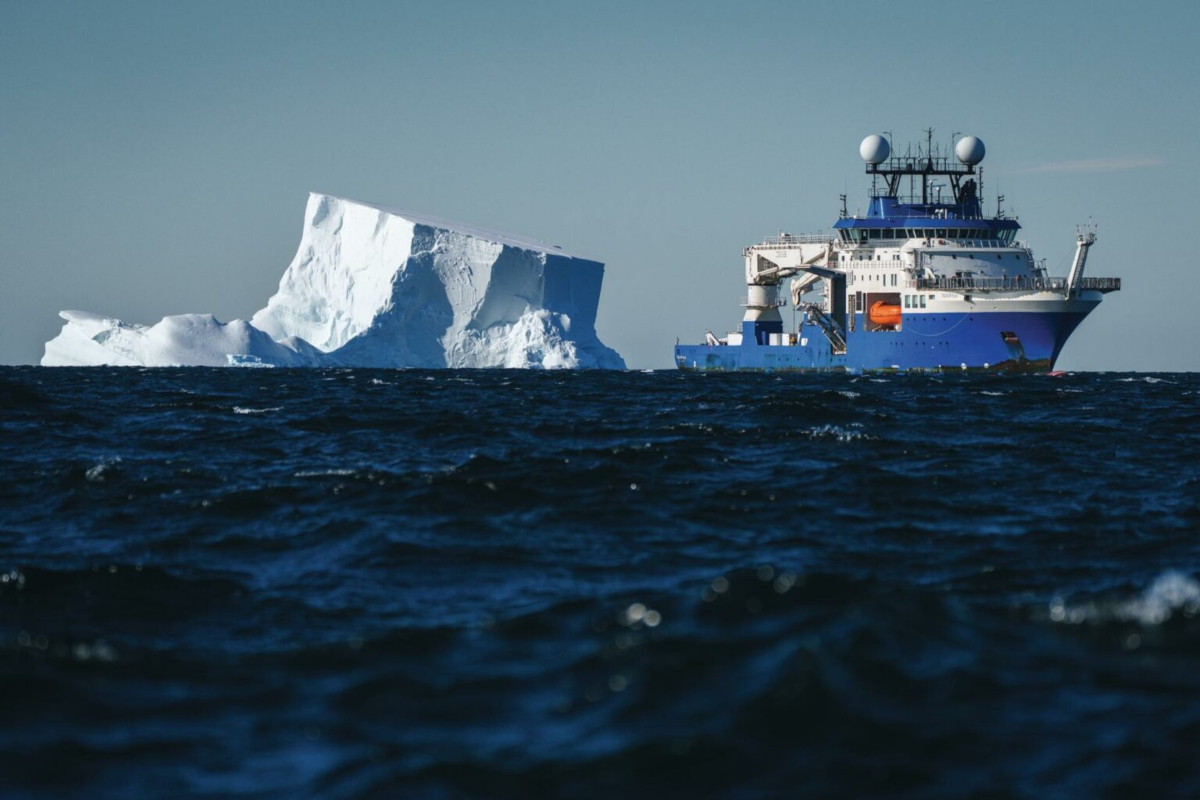
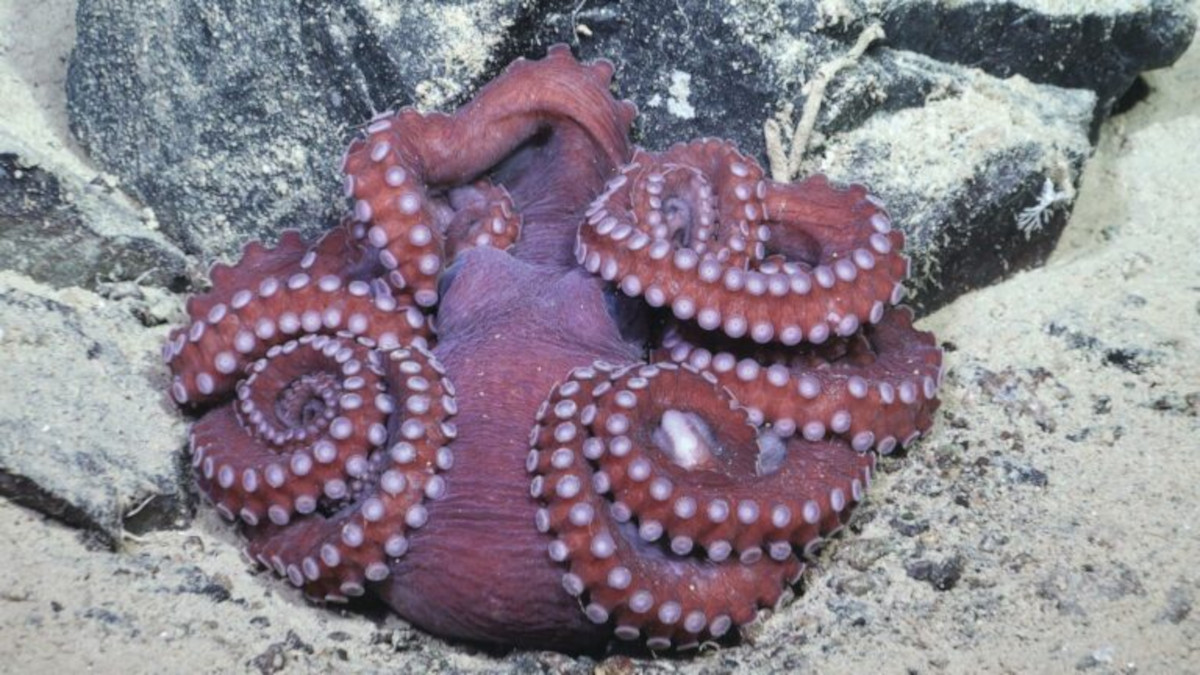
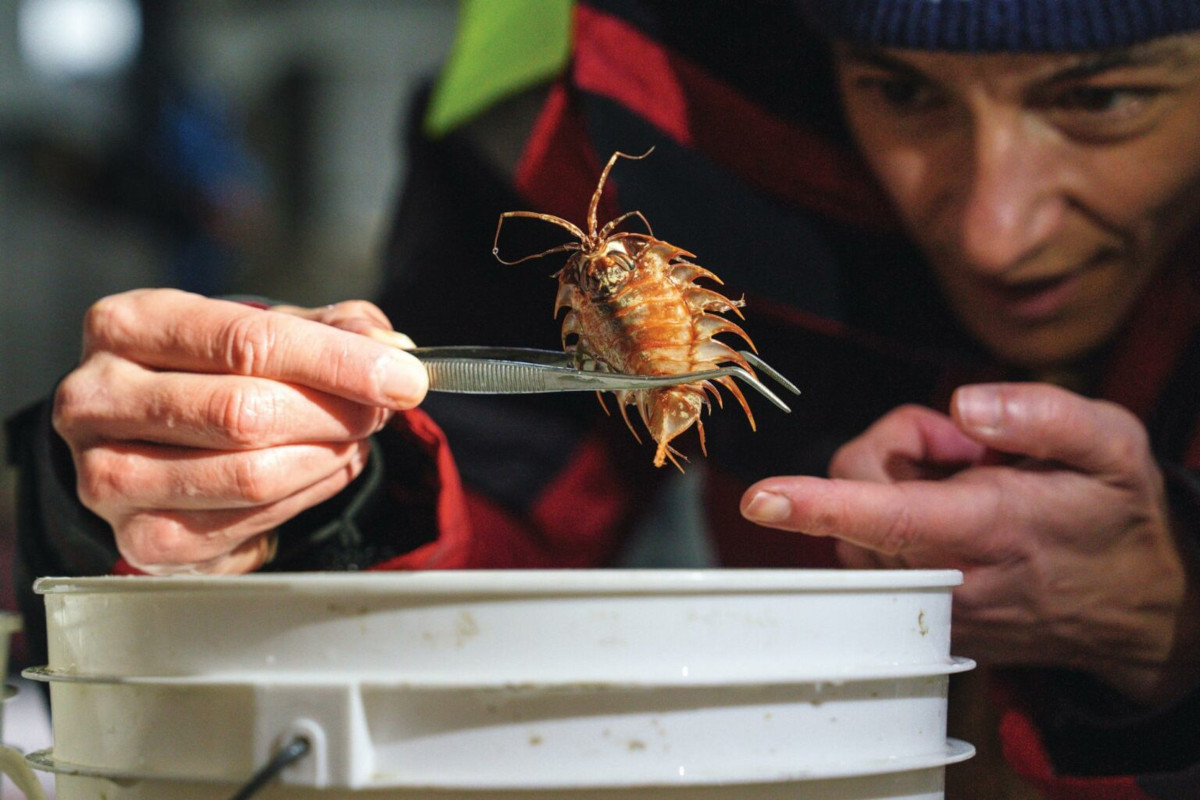
Sending remotely operated vehicles to the seafloor, they discovered sponges, sea spiders, anemones and octopuses – a surprisingly rich ecosystem thriving despite being cut off from sunlight for centuries.
Such findings are just the beginning.
Across the Antarctic mainland, researchers are continuing to discover new deep, dark aquatic environments: freshwater lakes that are sandwiched between the ice sheet and the continental rock beneath – as a general rule, where there’s water, there’s life.
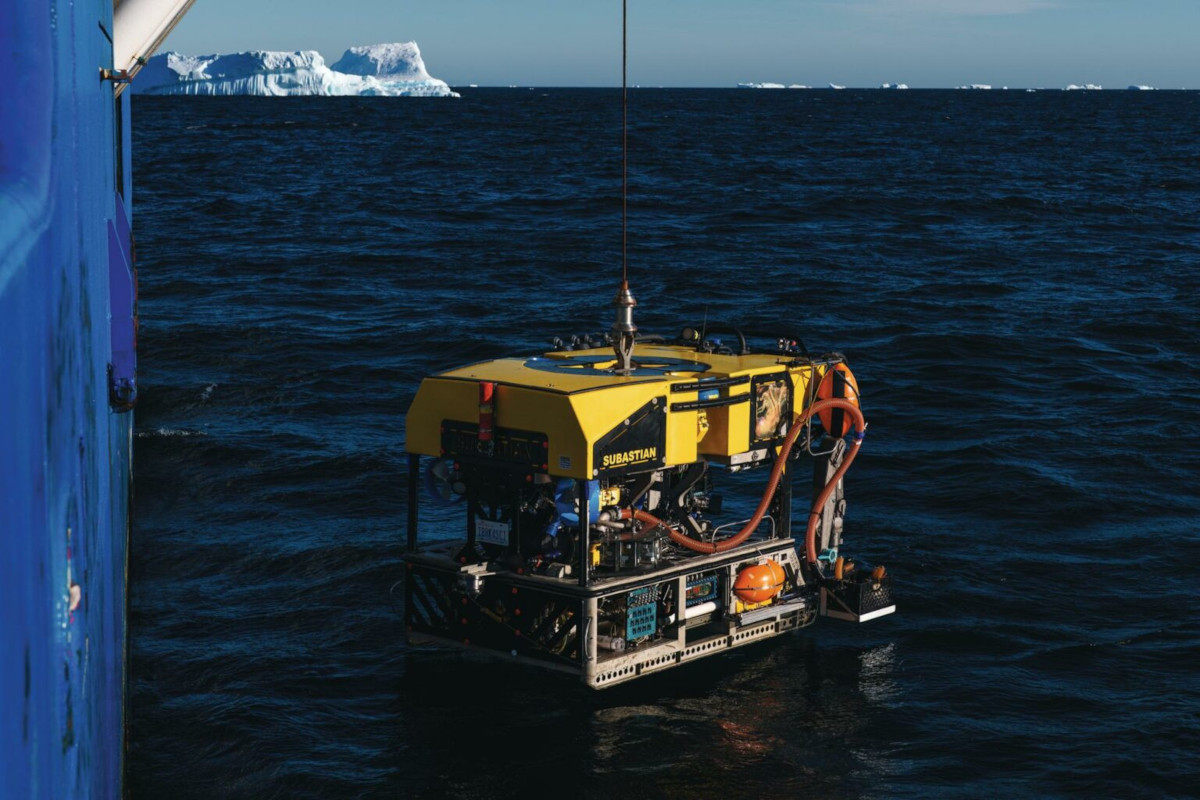
“It’s just an unexplored biosphere down there,” says Dr John Priscu, professor of ecology at Montana State University, in the US.
He has been a lead investigator on two successful missions that tapped into these lakes and recovered samples rich with microbes. “We found life. We know it’s alive and we were able to genetically identify it,” he says.
Many of Antarctica’s subglacial lakes have been separated from the atmosphere and oceans for thousands of years – some potentially for millions.
Analysis of captured lake water has shown that its life forms evolved in isolation from the rest of the world, and that these microbes have found strange ways to survive the harsh conditions deep under the ice sheet.
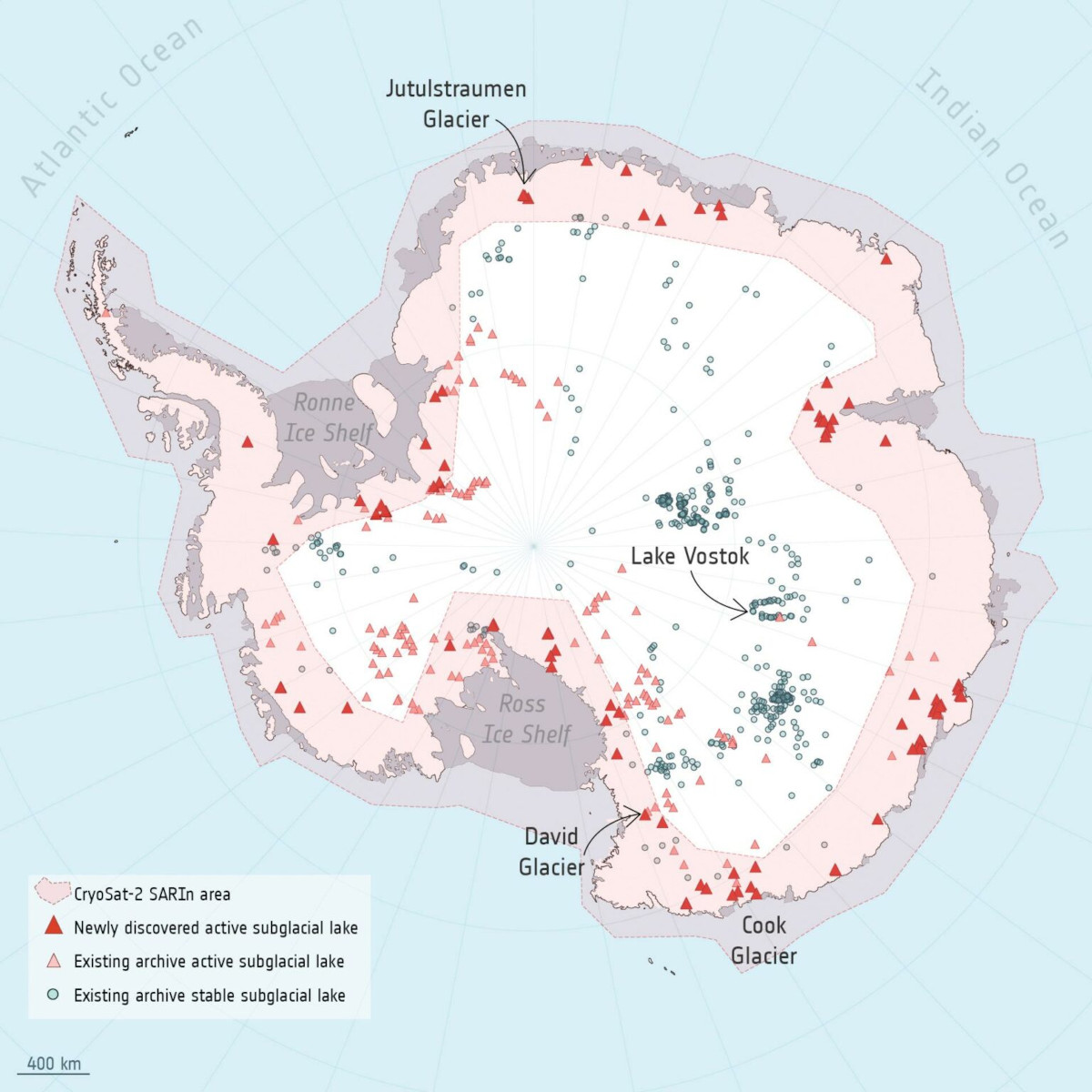
Yet scientists have sampled only a tiny fraction of Antarctica’s hidden lakes. More than 700 are thought to lie beneath the ice sheet, each a potential world of its own.
What other forms of life might they harbour? And after millions of years cut off from the rest of the planet, how different might those organisms be?
“You can only speculate what might be down there,” Priscu says.
Read more:
- Here’s what a world without Arctic ice would actually look like
- Experts spent 30 years studying penguin poop from space – and found something really weird
- 'A huge step forward': This strange Antarctic creature could spark a cancer breakthrough, say scientists
Hidden depths
Antarctica may look like a huge block of ice, but it’s actually a giant landmass twice the size of Australia, with a thick sheet of frozen water sitting on top.
Hidden underneath is a highly varied landscape made up of mountain ranges, valleys, hills and plains – an undulating surface where liquid water can pool.
“The water of subglacial lakes is freshwater, because it comes from ice melting,” says Sally Wilson, a PhD student studying subglacial lakes at the Institute for Climate and Atmospheric Science at the University of Leeds.
“It melts due to geothermal energy – heat from the centre of Earth – and frictional melting, as the ice slides over the bedrock.”
Scientists didn’t know these hidden lakes existed until the 1970s, when they began using airborne radar to measure the thickness of Antarctica’s ice sheet and map the landscape beneath it.
Most radar scans revealed the rugged contours of mountains and valleys buried below the ice. But every so often, researchers spotted patches that were unnaturally flat and smooth.
The only plausible explanation was that the ice wasn’t resting on rock at all – it was floating on liquid water.
By the 1990s, scientists had additional eyes in the sky they could call on: satellites. These started taking highly accurate measurements of the height of the top surface of the ice sheet, finding very flat areas that also hinted at bodies of water below.
By combining this satellite data with radar and seismic readings, scientists were able to accelerate the discovery of new subglacial lakes, including, in 1996, Antarctica’s largest – Lake Vostok.
With a surface area of 16,000km2 (approximately 6,200 sq miles) and a depth of over 1,000m (3,281ft) in places, Vostok ranks as one of the largest freshwater lakes in the world – albeit one that’s hidden beneath 3,700m (12,139ft) of ice.
Following its discovery, researchers began hatching plans to survey both it and other subglacial environments.
“That really caused us to think about subglacial lakes not just as a curiosity, but as something that actually could be scientifically valuable,” says British glaciologist Prof Martin Siegert, of the University of Exeter, who co-authored a landmark paper that helped outline Lake Vostok’s characteristics.
“It’s this remarkable place that could be a setting for unusual adaptations, microbial life or potentially more complex life,” Siegert says.
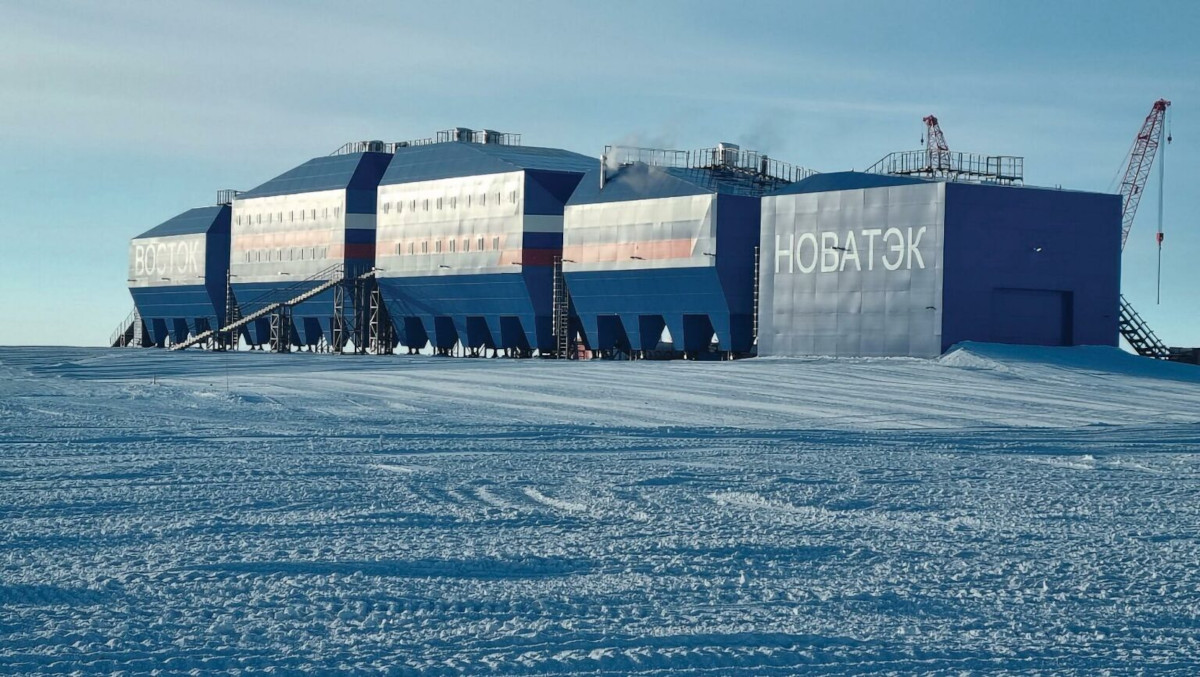
Russian researchers were first to investigate Lake Vostok.
Conveniently, they already had a head start: a polar research station built directly above the lake in the 1950s, where scientists had drilled more than 3.5km (2.2 miles) beneath the surface to recover an ice core.
Using this existing borehole, researchers first collected samples of accretion ice – lake water that had frozen onto the underside of the ice sheet – in the late 1990s, before finally sampling the lake itself in 2013.
What they discovered was in equal parts vibrant and controversial.
Analysis of the accretion ice revealed the presence of genetic material from more than 3,500 species – including bacteria, aquatic sea creatures and fungi – with many being genetically similar to species found in other places on Earth.
The lake water also appeared to contain bacteria. But many researchers believe almost all of this life was brought down into the ice during drilling.
“The Russian samples that they got from Lake Vostok were probably contaminated,” says Siegert. The mechanical drilling used a kerosene-based antifreeze to stop the borehole refreezing, he explains.
This fluid, sitting in the hole for years alongside the drilling equipment, likely introduced surface microbes into anything they brought back up.
Priscu agrees: “The Russians had a very strange plan. They didn’t succeed in collecting useful samples.”
In 2012, Siegert led a British expedition that attempted to avoid these contamination issues.
Instead of using a mechanical drill as the Russian scientists had, his team used a hot water system, sterilised with UV light and hydrogen peroxide, to melt a borehole 3km (1.8 miles) down to a different subglacial lake – Lake Ellsworth.
The mission struggled with logistical problems and its drilling system ultimately ran out of fuel on Christmas Eve 2012 without having penetrated the lake.
But the research community didn’t have to wait long for another attempt.
In January 2013, a US project called WISSARD (Whillans Ice Stream Subglacial Access Research Drilling) successfully used hot-water drilling to burrow through 800m (2,625ft) of ice to enter Lake Whillans in West Antarctica.
Priscu was the project’s chief scientist and oversaw the collection of samples. “I expected life,” Priscu says. “But not this diverse.”
Read more:
- Is Antarctica melting?
- How long has Antarctica been frozen?
- Who really found the continent of Antarctica?
Lost connections
What Priscu’s team found in Lake Whillans was an array of bacterial species, “a whole teeming ecosystem,” he says.
Genetic analysis proved the microbes found weren’t the result of contamination. Instead, they revealed that the lakes hold clues to Antarctica’s distant past and continue to influence the continent’s environment today.
“There was evidence of an old marine environment and evidence that these lakes act like biochemical reactors that fertilise the coastline of Antarctica, because the water flows down into the ocean,” Priscu says.
In other words, the lakes appear to preserve traces of a time when this part of Antarctica was covered by the sea. As water slowly drains from beneath the ice into the Southern Ocean, it also carries nutrients that help sustain life along the Antarctic coast.
Such findings offer a possible explanation as to why there’s so much ocean life hiding under places like the George VI ice shelf.
Normally, marine food webs begin with microscopic algae that grow where sunlight reaches the ocean. Beneath hundreds of metres of ice, that source of food is largely cut off.
One possibility is that subglacial lakes provide an alternative, releasing microbes and nutrients that are carried beneath the ice and help feed the ecosystem.
WISSARD’s success meant there was an immediate appetite for more research. “We had a lot of momentum,” Priscu says.
This was translated into another project, Subglacial Antarctic Lakes Scientific Access, or SALSA, which delved 1,000m (3,281ft) below the ice sheet into another subglacial lake, Lake Mercer, in 2019.
The analysis of these samples, which are similarly rich in microbes, is still ongoing.
Early results suggest some of those microbes may represent lineages unlike anything seen elsewhere on Earth.
By comparing the genes of what they discovered there with the known tree of life, the team recently proved that what they found is truly unique – bacteria and bacteria-eating viruses that have been cut off from the rest of Earth and evolved separately.
“We made an argument that maybe they evolved there when there was no ice sheet,” Priscu says. “These organisms are really isolated.”
Perhaps the most extraordinary thing about these microbes is that, unlike almost every other ecosystem on Earth, they don’t ultimately rely on sunlight.
Some of their energy comes from ancient organic matter that entered the lake when it was last connected to the ocean. But that supply alone isn’t enough.
Instead, many of the microbes generate energy by extracting it from chemicals such as hydrogen released from crushed rocks, as well as methane, iron and sulphur – a process known as chemolithoautotrophy.
“These lakes are one of the only places, if not the only place, that you can find ecosystems that really operate separately from photosynthetic energy,” says Dr Trista Vick-Majors, an assistant professor of biological sciences at Michigan Technological University, in the US, and one of SALSA’s microbial ecologists.
“They’re conducting these metabolisms that maybe you can find in other places, but they’re doing it in this kind of crazy closed-off environment that’s very cold. It’s very dark. It’s under pressure,” Vick-Majors says.
“It’s receiving less in terms of new inputs of energy than even a lot of deeper parts of the ocean.”
Because of this lack of energy, these microbes replicate much more slowly than those found elsewhere. But they’ve been going about the business of survival for a long, long time.
Thanks to radiocarbon dating of matter in Mercer’s lake water and sediments, researchers now estimate that they’ve been living in isolation for millennia.
“We got to a date of 6,300 years ago, plus or minus 1,000. So, we say 6,000 to 7,000 years ago,” says Dr Ryan Venturelli, an isotope geochemist for SALSA and assistant professor at the Colorado School of Mines, in the US.
“At least, that’s the last time this environment was connected to the ocean.”
But Antarctica’s hidden lakes aren’t just helping scientists understand this planet. They may also offer clues to life elsewhere.
Antarctica’s subglacial environment is the closest thing on Earth to the icy worlds thought to lie beneath the frozen surfaces of Jupiter’s and Saturn’s moons.
“It’s the most definitive model we have for ocean worlds,” says Priscu. He has published research suggesting that, based on what’s been found under deep ice at the South Pole, there could be life present in the oceans of Europa, a water-rich moon of Jupiter.
Organisms that live in incredibly harsh conditions like this – dry deserts or around thermal vents on the deep ocean floor – are known as extremophiles and are of great relevance here on Earth, too.
Bacteria with strange metabolisms have led to a whole host of scientific breakthroughs, from cancer treatments to new antibiotics and even the polymerase chain reaction, a now ubiquitous form of genetic testing that allows scientists to diagnose infectious diseases, including COVID-19.
“Stress is going to be one of the things that is going to cause organisms to evolve new capabilities. There’s a good chance that there are cells in these environments that are doing useful things that you’re not going to find in other places,” says Vick-Majors.
“There’s probably a ton of useful information there.”
Read more:
- 7 surprising things about ice that we learnt from 3 science comedians
- Something very strange is happening under Greenland’s ice
- This 'Doomsday Glacier' is melting faster than anyone thought. Now Earth's biggest cities are in danger
Older, deeper, stranger
What has been discovered so far is just the beginning. Not all subglacial lakes are alike. Some, like Vostok, are static – they don’t really change.
But many others, including Whillans and Mercer, are ‘active’, filling up and draining over time, with water flowing in between them. Using satellites to watch for these changes gives another clue as to where more lakes are.
“When lakes fill up, we see that the ice surface above them rises slightly,” says Wilson, whose PhD focuses on using satellite observations to find new lakes. “I kind of describe it as like a blister of water underneath the ice.”
Thanks to these ice movements, scientists like Wilson are still finding new lakes today.
But because Whillans and Mercer in West Antarctica are active lakes, filling and draining, and were last connected to the ocean relatively recently, their isolation pales in comparison to that of other bodies of water on the continent.
Lake Vostok has potentially sat isolated under East Antarctica’s ice sheet for millions of years. For Siegert, this means we still haven’t properly answered the question of just how unique subglacial life forms could be.
“The bottom of West Antarctica is quite modern – 80,000 years or so, as opposed to a million years,” Siegert says. “So, it’s not as interesting a target scientifically as a deep-water lake.”
Researchers also found considerable variation between Whillans and Mercer, hinting that there’s much more to be discovered.
“Their geochemistries are really distinct. What we see in the water as food and energy sources are really different,” says Vick-Majors. “And we’ve only studied two lakes. There are around 700 of them.”
Like Siegert, Vick-Majors thinks a deeper, more isolated lake might be the best site to target next. Organisms there “presumably could have been there for much longer and had a longer time to differentiate from other communities,” she says.
“We want to go to a big, deep, old lake, because I think that’s where we’re going to find this really unique evolutionary history.”
But going back to Antarctica and drilling down to a new subglacial lake won’t be easy.
The American and British projects took years of planning, overcoming the logistical challenges of getting equipment to one of the most inhospitable places on Earth, before conducting research in punishing conditions where surface temperatures can drop down to below –50°C (–58°F).
The pandemic, together with cuts to research funding, has stalled any prospects of American or British research teams returning any time soon, though China and South Korea have lake-sampling projects planned.
If new expeditions do get the green light, Lake Vostok could be a compelling place to start.
Years of painstaking analysis have shown that almost all of the organisms identified in the original Russian samples were contaminants introduced during drilling. But some bacterial species couldn’t be explained away.
One was a known heat-loving species, Hydrogenophilus thermoluteolus.
While not a novel discovery in itself, researchers believe its presence in Vostok’s accretion ice could point to hydrothermal vents hundreds of metres below the lake floor – hinting at an entirely unexplored ecosystem hidden beneath Antarctica’s ice.
“We have more samples from the Moon than we have from subglacial Antarctica. And we have more samples from the bottom of the ocean than we have from subglacial Antarctica,” says Venturelli.
“There’s just so much to learn there.”
Read more:
