
Whoever was in charge of promoting fibre to the masses seriously missed the mark. We only really associate this multi-faceted nutrient with shrivelled cereal flakes and foods with the general texture of tree bark.
That’s probably why reports show that we are drastically under-eating the stuff.
This so-called ‘fibre gap’ – the difference between how much fibre we should be eating and how much fibre we are eating – is so drastic in the US that the Dietary Guidelines for Americans has identified fibre as a ‘nutrient of concern’ since 2005.
There, more than 90 per cent of women and 97 per cent of men do not meet the recommended daily fibre intake.
Meanwhile, the most recent data shows that 91 per cent of people in the UK aren’t chewing through the National Health Service’s recommended 30g (1.1oz) of daily fibre.
In fact, we’re not even coming close. According to expert Prof Alexandra Johnstone, of the University of Aberdeen, “intake on a population level in the UK would need to increase by 25–50 per cent” to meet our daily targets.
And many experts argue we should be eating much, much more than a mere 30g to begin with.
Intake figures shouldn’t necessarily be taken at face value – as many as 70 per cent of participants are predicted to under-report their food intake in these wide-reaching national surveys.
Nevertheless, it’s safe to say that the ‘fibre gap’ looks a lot more like a fibre chasm right now.
But why are experts suddenly so concerned about our fibre intake?
As Dr Frank Duca, associate professor of animal and comparative biomedical sciences at the University of Arizona, in the US, explains, “There’s a pretty strong inverse correlation between a higher fibre consumption and BMI – the higher the fibre intake, the lower body weight in BMI.”
In other words, closing the fibre gap could be the weight loss solution we’ve all been waiting for. Well, as long as you’re eating the right kind.
The fibre you know
Maybe the reason we’re not getting enough fibre is because there are so many kinds out there and the whole ordeal is a little confusing.
But what actually is fibre? Essentially, it’s a non-digestible carbohydrate found in plants and plant-based foods. There are many different types of fibre, and they help your digestion in a lot of different ways.
The yin and yang of the fibre world are the two you may know the most about – insoluble and soluble fibre.
Insoluble fibre doesn’t break down with water. Instead it absorbs it, remaining whole and sponging up more and more liquid as it passes through you.
This smooths the digestive process, helping your body to clear waste with ease and making your – ahem – bathroom breaks less of a chore.
Sweetcorn, as you might imagine, is a great source of insoluble fibre, but so are nuts, and vegetables such as cauliflower, green beans and potatoes.
Meanwhile, soluble fibre dissolves in water and turns into a thick gel-like substance when it hits our stomachs. This slows down digestion, keeping our blood sugar levels nice and even while everything in the gel is being processed.
Some good sources include beans, bananas, avocados, citrus fruits and carrots.

Though both kinds are beneficial for healthy digestion, researchers have honed in on soluble fibre as the best dietary addition to combat weight gain.
A recent meta-analysis of 22 studies found that supplementing diets with a daily average of 11g (0.4oz) of soluble fibre significantly decreased body weight in clinically overweight and obese participants.
Individuals in these studies lost around 1.25kg (2.8lbs) of weight over an average trial time of 17 weeks.
Researchers also saw significant reductions in waist circumference and better control of blood sugars and insulin in those on the fibre-supplemented diet.
Research also suggests that the inverse is true – diets low in soluble fibre can lead to weight gain.
A 2015 study at Georgia State University, in the US, found that mice on a diet lacking soluble fibre gained weight and had more fat compared with mice on a diet that included soluble fibre.
Experts believe that the ‘gel’ created by soluble fibre in our stomachs aids weight loss by expanding during digestion. It’s this quality of soluble fibre that, Johnstone says, prolongs feelings of fullness and “reduces food intake at future meals, which is important for maintaining a healthy weight.”
Read more:
- These are the best (and worst) ways to get your protein, says Cambridge scientist
- What Big Food doesn't want you to know about ultra-processed snacks
- The food pairings that multiply the nutrients your body absorbs
A new fibre?
The current science suggests soluble and insoluble fibres are both fantastic for our digestive health, and experts advise maintaining a diet that’s rich in both kinds.
But while they’re saying this, the same experts are eyeing up a new contender for best fibre of the year: fermentable fibres.
We’re sure you’ve heard about the gut microbiome – the colourful zoo of helpful bacteria that live within your digestive system.
And you’ve also probably heard that keeping these bacteria happy could play a crucial role in living longer, healthier lives. Well, it turns out that fermentable fibre is the fuel that keeps these bacteria going.
We said before that fibre is non-digestible: our bodies can’t break it down. But the gut bacteria in our colons can, and that brings entirely new benefits.
Specifically, they can break down what’s known as fermentable fibre – but only during the very last stage of digestion, when the food reaches the first section of the large intestine: your colon.
It’s your body’s last-ditch attempt to get as much energy out of your food as possible.
The bacteria that live in your colon don’t get fed much as food is usually fully broken down long before it reaches them.
But fermentable fibres – also known as prebiotic fibres – remain whole through all the prior stages of digestion, passing through the stomach and small intestine in one piece.
Fermentable fibres are found in oats, barley and legumes (the family of foods that includes lentils, chickpeas, beans and peas).

Your gut bacteria use these previously undigested fermentable fibres as a fuel source and, as they chow down on big fibre chunks, they produce smaller components that benefit our bodies – namely short-chain fatty acids (SCFAs).
There are lots of different kinds of SCFAs, but the one that scientists are most excited about is called butyrate. Research has found that butyrate is an all-round health superstar.
Not only is it beneficial in fighting metabolic disease, but it also reduces our risk of developing cancer and Alzheimer’s disease as well as neurodegenerative and cardiovascular diseases, thanks to its anti-inflammatory properties.
Even better, butyrate also stimulates the production of two key hormones. The first: GLP-1. This reduces appetite and prevents your gut from emptying too quickly, making you feel fuller for longer after eating.
You’ve probably heard a lot about GLP-1 already – it’s the star ingredient in Ozempic and a host of other weight loss drugs.
The second hormone butyrate stimulates is Peptide YY. This not only reduces appetite, but also stimulates your muscles to use more energy.
As you can imagine, when combined, these hormones – both of which are produced when fibre is fermented in your body – do a phenomenal job in fighting fat levels.
As well as stopping you from overeating, they also help your body use the food you do eat as efficiently as possible, keeping your muscles better fed and happier for longer.
Read more:
- 'A really substantive jump': The most powerful weight-loss drug ever tested has arrived
- How to overcome the biggest barrier to weight loss
- 10,000 steps, 8 hours sleep: Here's what science actually says about recommended health targets
Getting your fill
This all sounds like a miracle, right? Eat enough fermentable fibre and your gut will naturally produce a tsunami of appetite-repressing hormones, smothering your urge to snack and making your muscles work better for longer.
But before you run out and start throwing products slapped with ‘high in fibre’ labels into your shopping basket, it’s important to heed the warnings of nutritional science experts like Dr Emily Leeming, author and research fellow at King’s College London.
“Often companies that are selling highly processed foods with ‘added fibre’ are adding just one type of fibre, so you’re not getting that diverse range of fibres for optimal health.
“This may cause some people to have uncomfortable digestive symptoms like bloating and discomfort.”
There’s certainly money to be made in the growing fibre health trend. Economists have projected that the global dietary fibre market will increase by roughly 168 per cent in the next 10 years, to $33,000m (approx. £25,500m) by 2034.

Duca is also cautious of the new tidal wave of ‘fibre-washing’. “There are definitely companies out there that are exploiting the fact that fibre is a very hot trend right now,” he says.
“You see companies making highly processed foods that suddenly have, say, four more grams of fibre in them than previously. But you look at the label and it’s not a good source of fibre. It’s just there to increase the number on the label.”
So which kinds of fermentable fibre are good at reducing fat levels?
Duca is part of a research team that recently studied the effects of five different plant-based fibres in rodent diets: pectin (found in plant sugar), beta-glucan (in cereals and wholegrains), wheat dextrin (from – you guessed it – wheat), starch (from grains and potatoes) and cellulose (found in fruit and vegetable peel).
The result? “Only the beta-glucan was effective in limiting the amount of adiposity [body fat] and body weight gain in the high-fat, high-sugar diets,” says Duca.
The team suspect that this is because beta-glucan fibre produces high levels of appetite-busting, glucose-level-stabilising butyrate (the health superstar mentioned before) in the gut.
“Barley flour or oat flour are pretty high in beta-glucan – they’re good sources to look out for,” Duca says.
Oat so simple
Again though, before plundering the breakfast aisle for wholegrain-touting products, exercise caution.
Some ultra-processed foods like cereal and mass-produced bread may contain barley and oat flour, but their complex production processes keep them from being especially good sources of fermentable fibre.
As a 2016 meta-analysis of fibre explained, beta-glucan can be broken down during food processing, reducing its health benefits. Sadly, this applies to bread, pasta, cookies, and many other processed products made of oat and barley.

The same study found that even the long-life perks of these products could decrease their benefits.
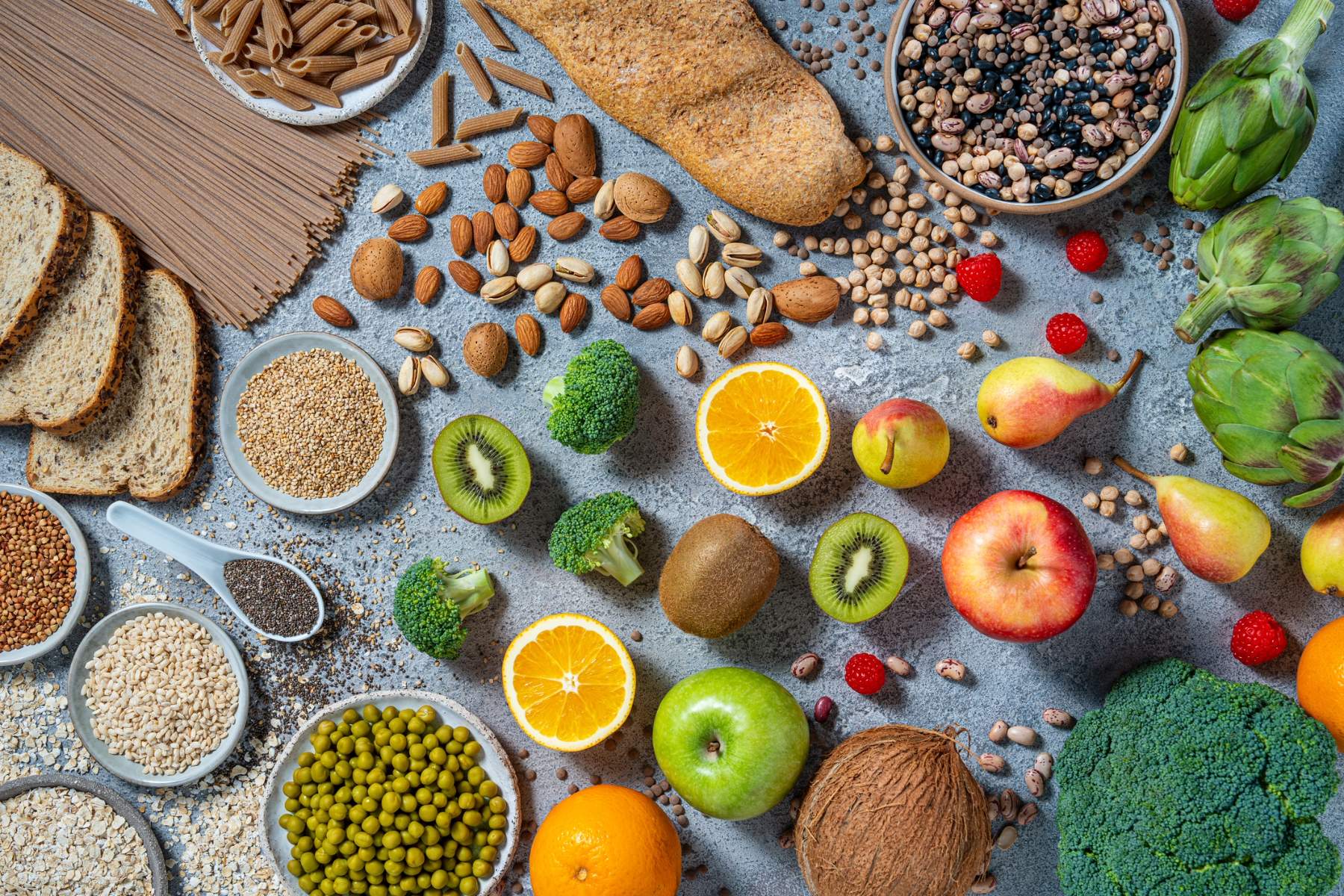
So, while oats and barley are the best sources of fermentable fibre, it’s better to stick to their purest forms whenever you can.
As superb as oats are, though, don’t set your expectations for them too high.
It’s important to note that despite the high levels of magical appetite-suppressing butyrate, a morning bowl of porridge isn’t a one-for-one substitute for weight-loss drugs like Ozempic.
“Fibres with high levels of butyrate do increase GLP-1 levels, but the difference is that the GLP-1 your body produces is broken down very quickly,” Duca says.
“It has a half-life of only several minutes. Ozempic has a half-life of days and – unlike butyrate – it’s able to stay and target the GLP-1 receptors all over your body.
Most of those drugs are actually targeting the GLP-1 receptors in the brain, which have a much stronger effect on food intake than the GLP-1 produced naturally in your gut.”
If supermarket aisles are about to be inundated with high-fibre products, and you don’t have time to check over every single label, what should you reach for then?
Duca’s answer is surprisingly simple.
“I give a lecture where I show a picture of 20 different supplements that people have created in the last five years. Then I follow it up with a picture of just fruits and vegetables – that’s actually the best source of fibre.
“Each fruit and each vegetable will have slightly different fibre types and concentrations in them, and that, to me, is still the most beneficial source.”
Read more:
